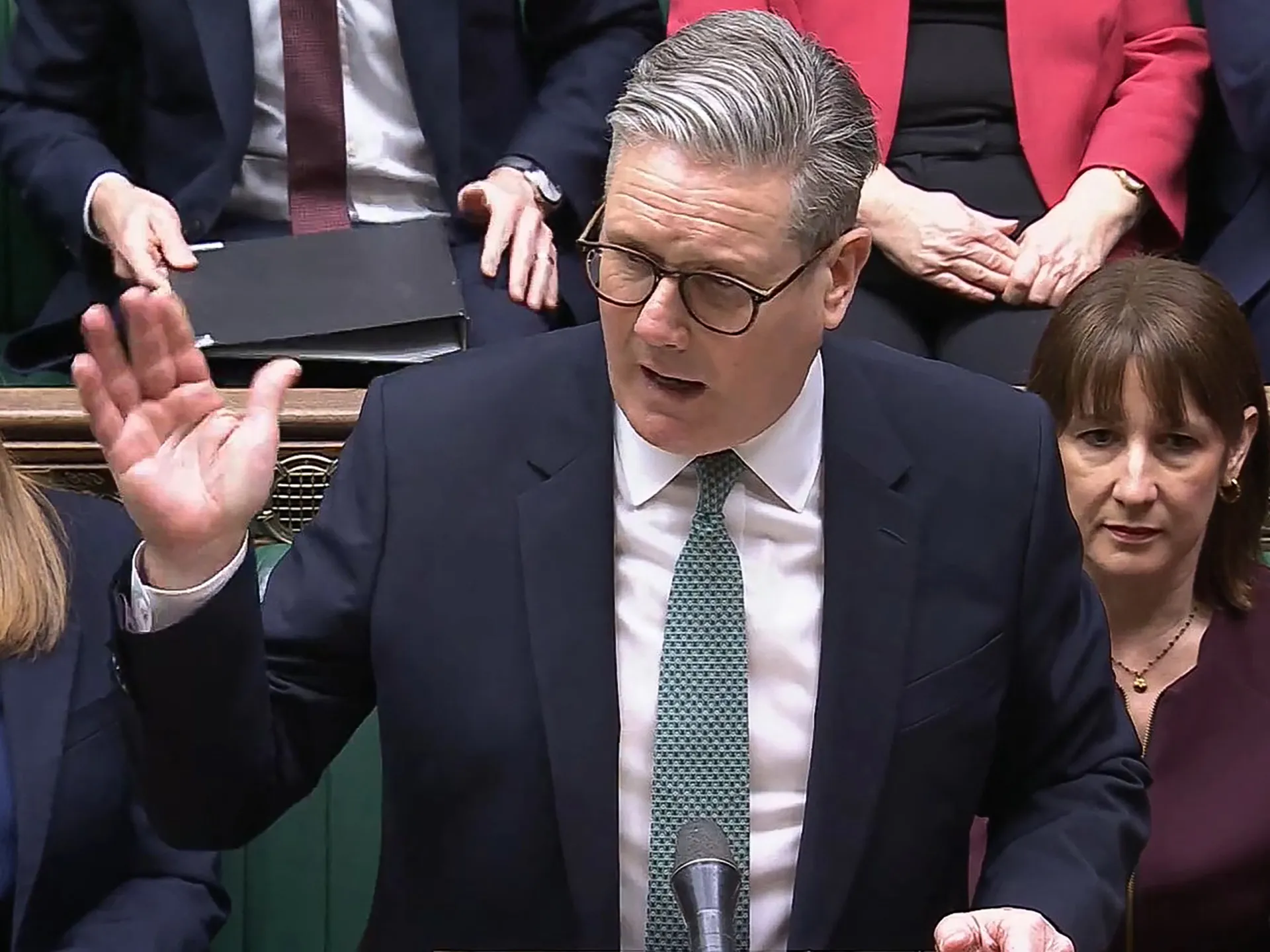
Prime Minister Sir Keir Starmer has unveiled the UK’s long-delayed plan to boost military spending, announcing that a £15bn increase will be paid for by trimming investment budgets across other parts of government. The move forms one of his final major acts before leaving Downing Street.
Funding Defence Without Borrowing More
In setting out the plan, Sir Keir made clear that some road and energy projects would not proceed as originally scheduled, with the savings redirected toward raising defence funding to £80bn a year by 2029. He framed the defence investment plan, or DIP, which had initially been expected the previous autumn, as a way to reverse what he called the corrosive hollowing out of the armed forces under the Conservatives.
Crucially, the prime minister said he had deliberately chosen not to increase government borrowing further or cut day-to-day spending on public services to cover the extra investment. Instead, the money would come from reducing the long-term investment budgets of other government departments by 1 percent. A document detailing the specifics is expected to be published on Tuesday afternoon.
A Contentious Figure
The £15bn in additional spending over the next four years sits at an uneasy middle ground. It exceeds the £13.5bn reportedly secured by John Healey, who resigned earlier this month in protest at the plans, yet falls well short of the £28bn that defence chiefs had sought.
That gap has proven politically costly. The dispute over military funding has already triggered the resignation of two defence ministers, with Armed Forces Minister Al Carns joining Healey in stepping down over the scale of the proposed increase. Tense Whitehall negotiations over how to finance the plan have dragged on for months.
What the Money Will Buy
The Ministry of Defence has outlined several headline elements of the plan, which lean heavily toward emerging and autonomous technologies. Among the key commitments:
- The largest ever drone investment for the armed forces, worth £5bn over the next four years, aimed at creating what the MoD describes as an integrated force.
- A transformation of the Royal Navy into a hybrid navy that blends self-controlled vessels and AI alongside traditional warships and aircraft, along with funding for six new warships.
- £50m for the Army to develop drones and uncrewed vehicles.
- Development by the Royal Air Force of autonomous fighter jets, plus the introduction of an uncrewed electronic warfare drone system in 2026.
- Investment in what the MoD calls Europe’s biggest drone testing centre in Swindon, which opened in March, as well as a dedicated task force for advancing autonomous technology.
Spending Targets and NATO Commitments
Sir Keir said the plan would lift the military budget to 2.7 percent of gross domestic product by 2029, putting the UK on a path to meet NATO’s core defence spending target of 3.5 percent of GDP by 2035. He added that the country was on track to spend 3 percent of GDP on defence during the next five-year Parliament, though he stopped short of naming a specific date for that milestone, something Healey had pushed for.
The DIP builds on the wide-ranging Strategic Defence Review published in June 2025, which pledged billions in additional spending to support a shift toward what it termed warfighting readiness.
Doubts Over Whether It Goes Far Enough
Not everyone is convinced the plan does enough. General Sir Richard Barrons, one of the authors of the Strategic Defence Review, told the BBC that the lengthy delay underscored just how difficult the conversation between the MoD and the Treasury had been.
While he acknowledged that publishing the DIP counted as progress, Sir Richard warned it would not crack the issue of defending the UK sufficiently well and quickly. More, he argued, needed to be done sooner, and that would require more money than is currently on the table.
A Decision That Could Outlast Its Author
Sir Keir’s choice to push the plan through in his final weeks as prime minister carries political risk, particularly for relations with his successor. The plan is widely expected to be built upon by Andy Burnham, who is tipped to take over next month and is so far the only candidate to have formally entered the Labour leadership race. Burnham has yet to comment publicly on the plan.
The Sunday Times reported that Burnham had seen and approved the DIP, though Sir Keir declined to confirm this when pressed by a reporter. Because the next prime minister may wish to revise defence spending upon taking office, releasing the plan now could set the stage for tension down the line.
Political Reactions
The announcement drew sharp criticism from across the political spectrum. Shadow defence secretary James Cartlidge dismissed the DIP as something being rushed through because Sir Keir was desperate for a legacy, declaring the plan not worth the paper it was written on and branding the prime minister a leader in name only. He argued the next prime minister should cut welfare to give the armed forces the funding they need to keep Britain safe.
Liberal Democrat leader Sir Ed Davey took aim from a different angle, accusing the government of dangerously short-changing the armed forces at a moment when they require urgent investment after years of Conservative neglect. Defence chiefs, he said, were being forced into hard choices when they should simply be given what they need.
The Wider NATO Context
The plan arrives at a moment of heightened pressure within the alliance. NATO Secretary General Mark Rutte has urged member states to present clear, concrete, and credible plans for raising defence spending to 3.5 percent ahead of a leaders’ summit next week.
For the UK, the DIP represents an attempt to answer that call, even as critics on multiple sides argue it is too little, too rushed, or too uncertain to meaningfully shore up the nation’s defences. As Sir Keir prepares to hand over power, the plan’s ultimate fate may rest in the hands of whoever follows him into Downing Street.
Author