Tanker Struck Near Kharg Island as Iran Conflict Widens Across the Region
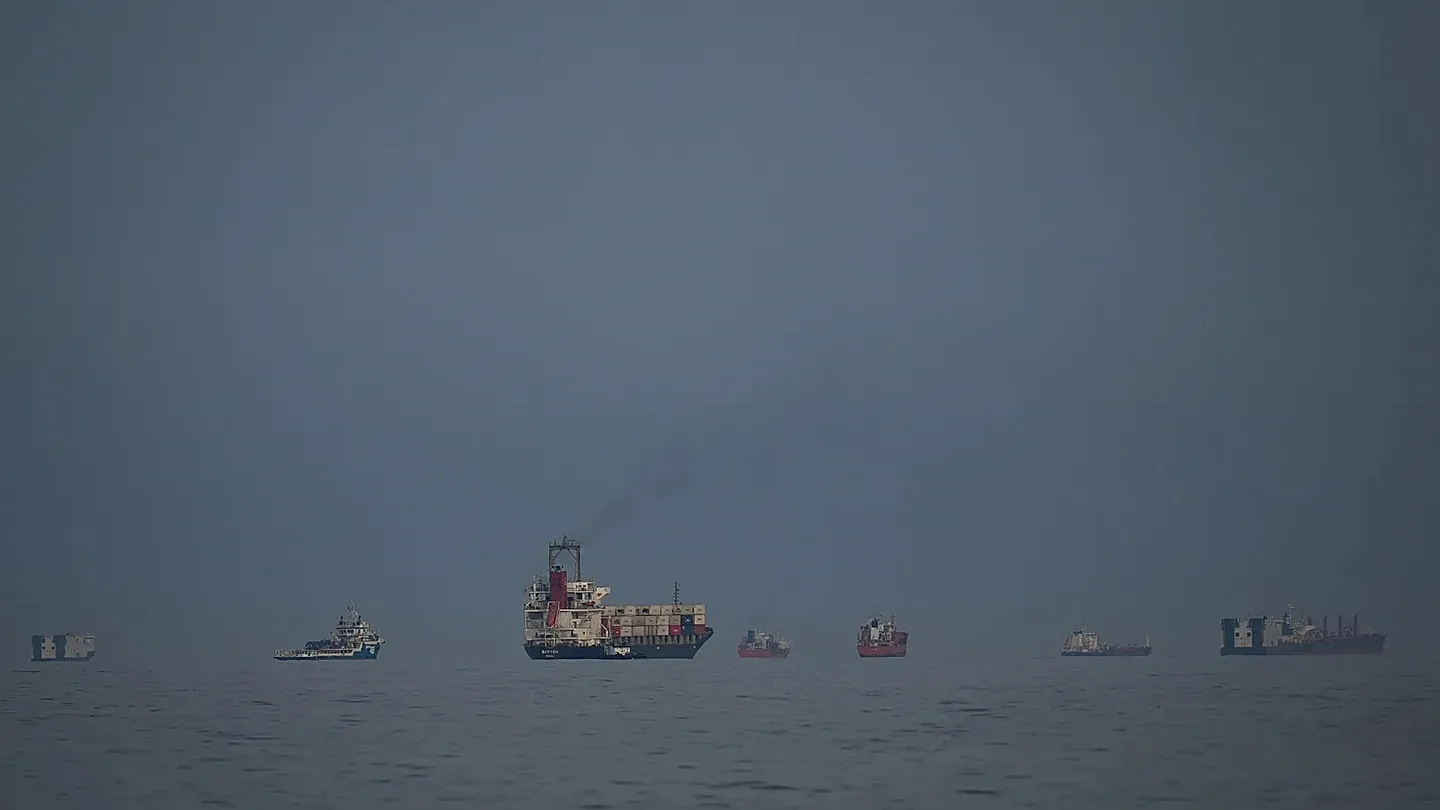
An Iran oil tanker strike near Kharg Island has pushed the ongoing conflict into new territory, with Iranian outlets reporting that several American missiles hit the vessel. Kharg is the country’s principal crude export terminal, and any attack in those waters carries consequences well beyond the immediate damage.
The report is one of several developments emerging over a turbulent stretch that spans Iran, Yemen, Lebanon, Gaza and the occupied West Bank.
What Happened Off Kharg Island
Iranian media described multiple missiles striking the tanker. Independent verification has not been established, and details on casualties, the vessel’s cargo, and the extent of the damage remain thin.
The location matters. Kharg handles the overwhelming majority of Iranian oil leaving the country by sea. Striking commercial shipping in that corridor moves the conflict away from military installations and toward the economic infrastructure that keeps Iran solvent.
Tehran Says Washington Has Switched to Economic Pressure
Iran’s First Vice President, Mohammad Reza Aref, framed recent developments as an admission of failure. In his telling, the United States turned to economic warfare precisely because its military objectives had not been met.
That argument fits a pattern in Iranian messaging: acknowledging pressure while insisting the campaign against the country has fallen short of what it set out to achieve.
Trump Renews the Threat Against Pickaxe Mountain
President Donald Trump again warned that the United States would strike Iran’s Pickaxe Mountain facility, saying it would happen very soon. It is not a new threat. He first raised the possibility in mid-July, and the repetition without action has become part of the dynamic.
He has also publicly downplayed the scale of the war, characterising the situation in dismissive terms even while promising further strikes.
Polygraphs Inside the Pentagon
A separate story has been unfolding in Washington. According to The New York Times, Pentagon investigators have administered polygraph examinations to 50 members of the Joint Staff as part of a hunt for the source of leaks about the Iran campaign.
One subject of those leaks is particularly sensitive: reporting that sustained operations have drawn down American stockpiles of critical munitions.
Testing 50 senior staff officers is not a routine measure. It suggests both that leadership regards the disclosures as serious and that the information about supply constraints is considered damaging enough to warrant an aggressive internal response.
The Wedding in Sirik
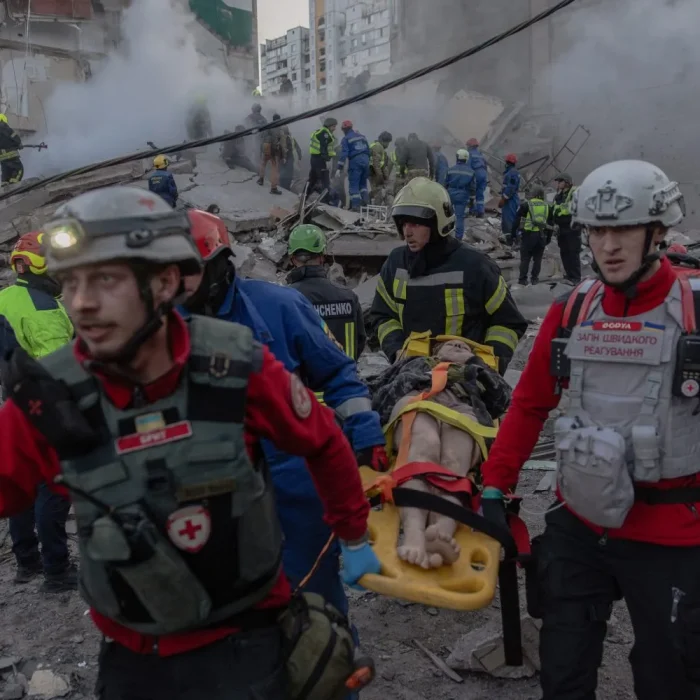
Among the most contested incidents is an attack in the Sirik area, in the city of Kuhestak, where residents described a scene of confusion and panic.
According to accounts gathered from witnesses, the sequence unfolded in two stages. A telecommunications tower was struck first, apparently by a missile. Very shortly afterward, a wedding venue near that tower was hit — witnesses say by a drone.
What followed was chaos. Emergency services did not arrive immediately, and with a large crowd present, survivors were left to manage on their own. One witness described pulling a child from the debris himself.
Local residents and Iranian authorities both maintain the wedding house was targeted deliberately. Whether it was in fact an intended target has not been independently established. The United States denies the claim.
The proximity of the two sites is central to the dispute. A communications tower is a plausible military objective; a wedding gathering beside it is not. Whether the second strike reflected intent, faulty targeting, or something else remains unresolved.
The US Ambassador Speaks Out in the West Bank
In a notable moment away from the Iran front, Mike Huckabee, the American ambassador to Israel, visited families of Palestinians killed by settlers in the occupied West Bank.
Afterward, he said the Israeli government must guarantee the safety and security of the population there. Coming from a figure long associated with strong support for Israeli positions, the statement drew attention for its directness.
A Warning From Tehran’s Mayor
Iranian officials are not exclusively focused outward. The mayor of Tehran cautioned that the country faces a risk of erosion from within if it fails to confront its domestic problems.
Public warnings of that nature, delivered during wartime by a senior official in the capital, hint at pressures inside Iran that the external conflict has not displaced.
Casualties Continue Across Multiple Fronts
The day’s reports extended well beyond Iran:
Gaza City. Palestinian Civil Defence teams recovered 55 bodies from rubble in the city. All of the dead belonged to a single extended family — a scale of loss within one household that has become grimly recurrent.
Gaza camp. Israeli gunfire wounded a child at a camp near Gaza City.
Lebanon. The toll from Israeli strikes climbed to five killed, with 24 more people injured.
West Bank. Israeli forces conducted raids at multiple locations in and around Bethlehem, firing live rounds and making at least one arrest.
Yemen. Four civilians were killed and nine wounded in a Houthi missile attack on the Heijah al-Abd road south of Taiz, according to government-affiliated media citing local and medical sources.
A New Aid Mission Toward Gaza
The Freedom Flotilla Coalition announced plans for another international effort to carry humanitarian supplies into Gaza by sea. Previous attempts have been intercepted, and the coalition’s missions have repeatedly become flashpoints in their own right.
Reading the Overall Picture
Several threads run through the day’s events.
The first is geographic spread. Strikes and casualties were reported in four countries within a single news cycle, which makes the conflict harder to contain and harder to negotiate an end to.
The second is the shift toward economic targets. If the Kharg report holds up, attacks on export infrastructure represent a different phase from strikes on military sites.
The third is the credibility contest. The Sirik incident illustrates it clearly: local witnesses and officials assert one version, Washington rejects it, and no independent account has settled the question. That gap has become a permanent feature of the conflict, and it shapes how every subsequent claim is received.
What comes next likely depends on whether the threatened strike on Pickaxe Mountain materialises, and how Tehran chooses to answer if it does.
Author