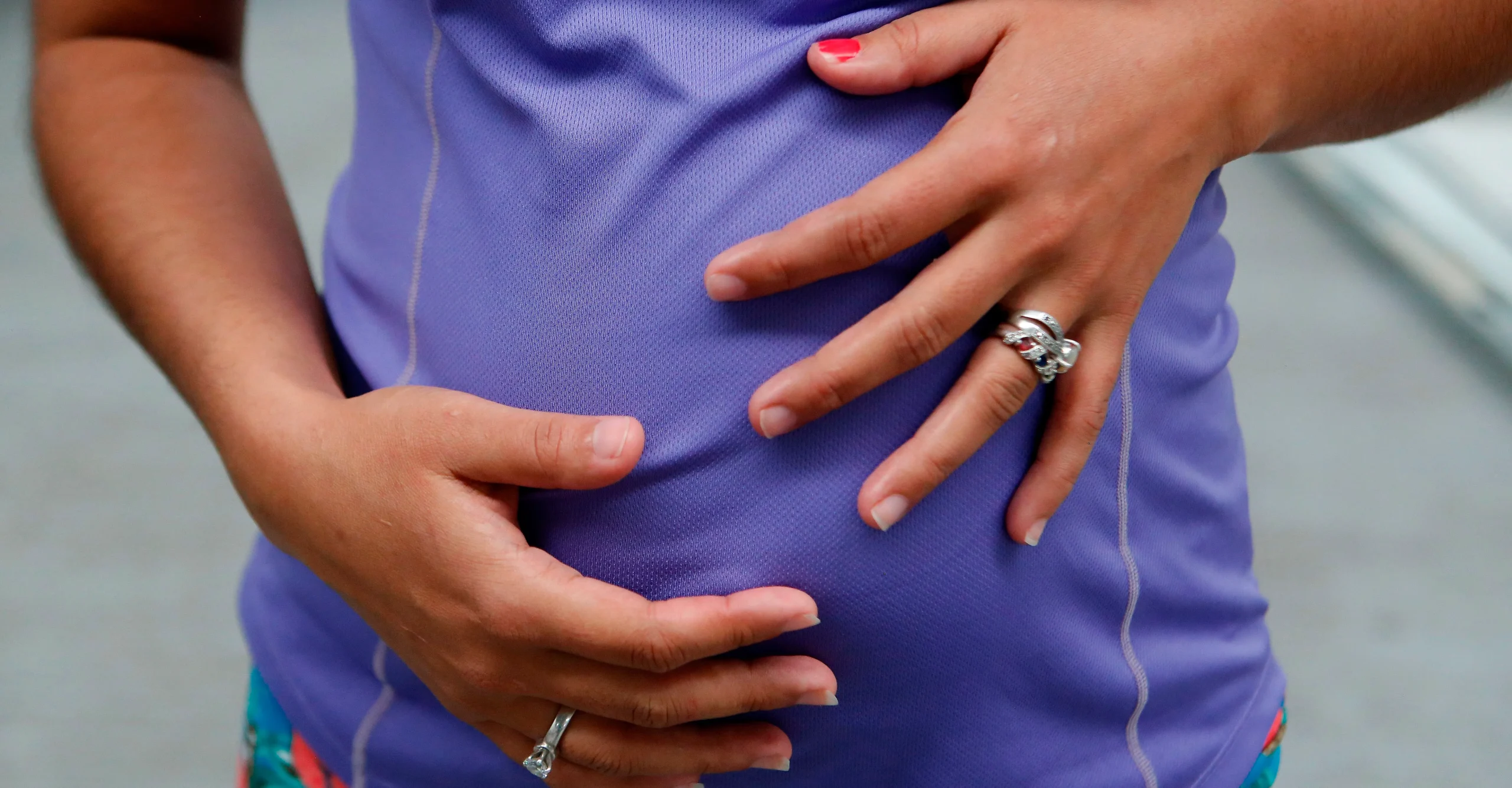
The fight over birthright citizenship has entered a surprising new phase. After the Supreme Court dealt President Trump a decisive loss on the issue this week, his advisers and allies wasted little time regrouping around a fresh strategy: keeping pregnant foreign women from setting foot in the country at all.
A New Front in the Immigration Debate
The shift is significant because it moves the battle onto entirely new ground. Rather than continuing to challenge the constitutional rights of children born on American soil, the emerging approach targets who gets to enter the United States in the first place. In effect, the conversation is pivoting from citizenship itself to the far murkier terrain of pregnancy, travel, and border control.
That pivot sets the stage for a fresh and potentially explosive immigration fight, one that raises thorny questions about privacy, medical status, and the government’s reach.
What the Court Actually Decided
The trigger for all this came on Tuesday, when the justices struck down a Trump executive order as unconstitutional. That order had attempted to deny citizenship to babies born in the U.S. to parents who are not citizens, directly challenging a long-standing reading of the 14th Amendment.
The ruling closed one door, but Trump’s allies immediately began looking for another. Almost as soon as the decision landed, prominent MAGA voices floated an alternative. Federalist founder Sean Davis, among others, suggested the country simply refuse entry to pregnant foreign visitors, an idea that had also been circulating among administration figures.
Voices From Trump’s Inner Circle
Trump adviser Stephen Miller made the reasoning explicit. Speaking on Fox News shortly after the decision, he argued that America needs to be far more deliberate about who it admits, even temporarily. His logic tied directly to citizenship: because children born to noncitizens automatically become Americans, they can eventually tap into the nation’s social safety net.
The White House echoed that resolve. Spokesperson Abigail Jackson said Trump remains fully committed to protecting the value of natural-born citizenship and had directed Congress to act quickly in response to the ruling. She added that the Justice Department would prioritize investigations into birth tourism schemes, insisting the administration still holds many tools to defend American citizenship.
Understanding Birth Tourism
At the heart of this debate sits a practice known as birth tourism. It refers to visitors who travel to the United States specifically to give birth, ensuring their child gains automatic citizenship.
The Justice Department moved swiftly on this front, releasing a memo Tuesday that pushed prosecutors to pursue such cases. Assistant Attorney General Colin McDonald argued that existing criminal laws already cover much of the conduct these schemes involve. Many, he noted, begin with a dishonest visa application that misrepresents the true purpose or length of a person’s visit.
McDonald outlined several ways prosecutors could bring charges, including:
- Visa fraud, given the false statements often made at the outset.
- Wire fraud and money laundering, depending on how the arrangements are financed.
- Health care fraud and aggravated identity theft in certain cases.
Just How Common Is It?
Despite the intensity of the rhetoric, the numbers suggest birth tourism is relatively uncommon. The government does not formally track how many babies are born to foreign visitors, but independent estimates place the figure somewhere between 20,000 and 26,000 cases each year.
Put in perspective, that is a small slice of the whole. With roughly 3.6 million babies born in the United States in 2025, birth tourism accounts for only a tiny fraction of total births, a point critics are quick to raise when the policy is framed as an urgent crisis.
The Case Against the Crackdown
Opponents warn that the proposal carries serious risks that go well beyond immigration. Katie O’Connor, senior director of federal abortion policy at the National Women’s Law Center, cautioned that the very idea of the government collecting data on who is pregnant, and how far along they are, is deeply troubling.
Her concern is not hypothetical. Once such information exists in the hands of federal or even state authorities, she argues, it could be used in ways that threaten women’s privacy and autonomy. The prospect of officials tracking pregnancy status, she suggests, opens a dangerous door.
An Ironic Backdrop
The timing carries a certain irony. The push to restrict entry arrives just as the country rallies behind its World Cup squad, a team that includes several players who would not be eligible to represent the United States without birthright citizenship.
One standout example is striker Folarin Balogun, who scored half of the team’s goals in its opening match. His story quietly underscores what birthright citizenship has long made possible, complicating the narrative that it exists mainly to be exploited.
Where Trump Stands
The president himself has not explicitly called for banning pregnant travelers. Still, his record points in a clear direction. During his first term, his administration actively moved to curb birth tourism through State Department visa rules.
He also appeared to nod at the issue this week in a social media post that sarcastically congratulated Chinese President Xi Jinping on what he mockingly called a major birthright citizenship win, a jab that revealed his continued frustration with the policy.
What Happens Next
For now, the biggest unknown is practical: how would officials even determine which travelers are pregnant? O’Connor admits there is no clear answer. The screening could be as basic as asking women directly, or it could involve something far more invasive. What that looks like in practice, she says, is impossible to predict with this administration.
That uncertainty may be the most unsettling part of the whole proposal. A policy aimed at a relatively rare practice could end up reshaping how the government treats pregnancy at the border, raising questions that reach far beyond the immigration debate that sparked it.
Author