US-Iran Conflict Escalates: American Citizen Freed as Strikes Intensify
The US-Iran conflict has taken another dramatic turn, with intense military exchanges resuming even as diplomatic efforts stumble forward. In the latest development, President Donald Trump announced that Iran has released an American citizen he described as “wrongfully detained,” offering a rare glimmer of progress amid escalating hostilities. At the same time, both nations have returned to trading heavy blows, keeping the region on edge.
How the Conflict Reached This Point
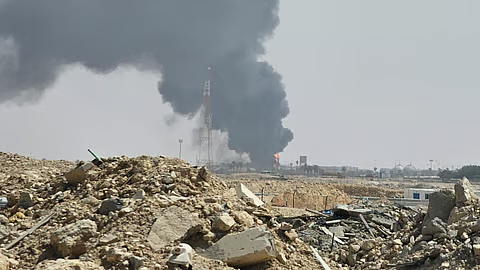
The current standoff traces back to late February, when Trump announced the launch of “major combat operations” against Iran. On February 28, massive joint U.S.-Israeli strikes hit a range of targets, including military installations, government facilities, and key infrastructure sites.
By June, delegations from both countries had entered negotiations aimed at ending the war. Those talks were built around a memorandum of understanding signed by the U.S. and Iran, which was meant to pave the way toward peace.
Yet despite the diplomatic framework, the fighting never fully stopped. The two sides have continued exchanging strikes — though relatively limited in scope — even as peace talks carry on. Throughout it all, the strategic Strait of Hormuz has remained the central flashpoint driving the conflict.
An American Citizen Released
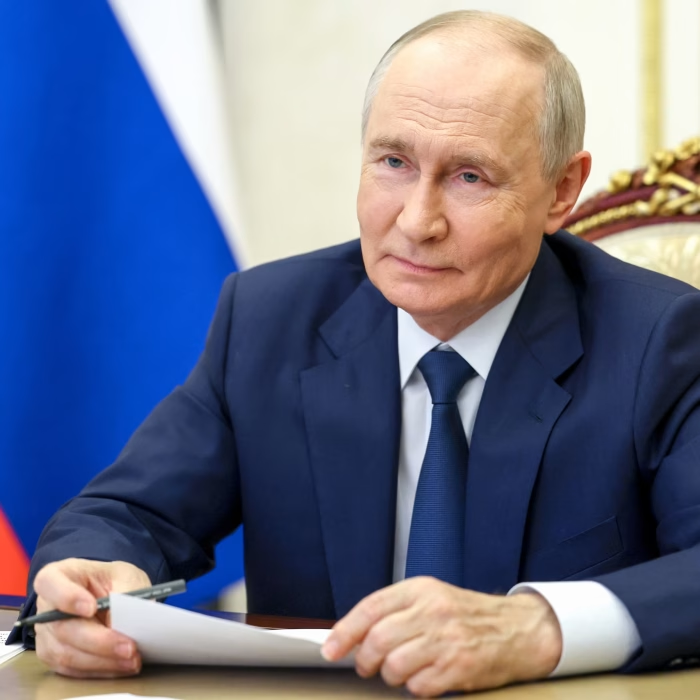
Among the most notable recent headlines was Trump’s announcement that Iran had freed a U.S. citizen he characterized as wrongfully detained. The release stands out as a potential goodwill gesture, or at least a bargaining move, in the midst of otherwise deteriorating relations.
While details surrounding the individual and the circumstances of their detention remain limited, the development suggests that channels of communication between the two governments are still open, even as missiles continue to fly.
The Latest Wave of U.S. Strikes
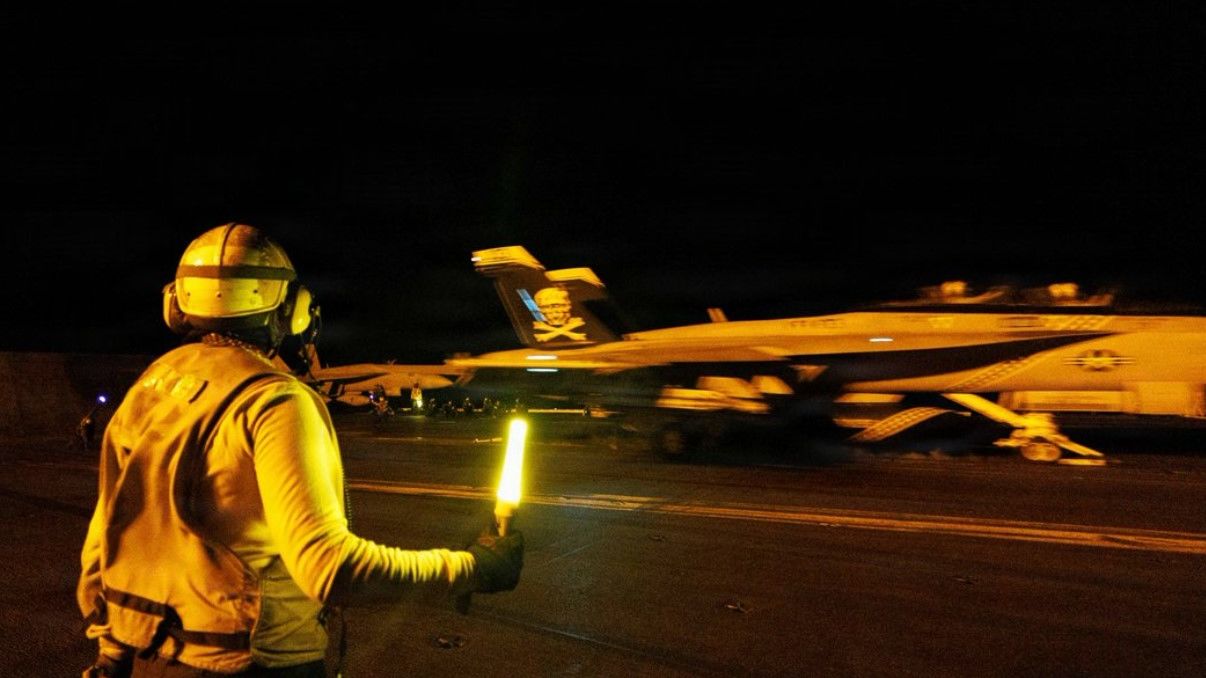
The apparent diplomatic opening did little to slow the military campaign. According to U.S. Central Command, American forces completed another round of strikes against Iran, wrapping up at 9 p.m. ET on Wednesday.
CENTCOM outlined the scope of the operation, saying U.S. forces had targeted a range of Iranian military assets, including:
- Command centers
- Air defense sites
- Missile and drone capabilities
- Coastal surveillance facilities
The stated goal was to further weaken Iran’s ability to threaten commercial vessels and their crews passing through the Strait of Hormuz. CENTCOM noted that precision munitions were used to strike targets across multiple locations, including the port city of Bandar Abbas.
Earlier that same morning, U.S. forces had carried out a separate 90-minute wave of strikes, hitting coastal defense and cruise missile sites on Greater Tunb Island.
A Fragile and Volatile Situation
The rapid succession of events paints a picture of a conflict caught between war and diplomacy. On one hand, the release of an American citizen and ongoing negotiations hint at the possibility of de-escalation. On the other, the steady drumbeat of airstrikes underscores just how fragile the situation remains.
Several developments over the course of the day captured the volatility:
- CENTCOM confirmed launching a second wave of airstrikes against Iran on Wednesday.
- U.S. aircraft reportedly fired on an oil tanker that attempted to violate the blockade.
- Trump held a Situation Room meeting on Tuesday to weigh his options regarding Iran.
Tough Talk From Trump
The president’s rhetoric has matched the intensity of the military action. At one point, Trump suggested that the United States might have to wipe out the Islamic Revolutionary Guard Corps, signaling a willingness to escalate further if necessary.
He also claimed that Iran had reached out to the U.S., asserting that Tehran wanted to meet. Whether that reflects genuine movement toward negotiations or simply posturing remains unclear, but it adds yet another layer to an already complicated picture.
What Lies Ahead
For now, the US-Iran conflict remains a precarious balancing act between confrontation and dialogue. The release of a detained American and the continuation of peace talks offer faint hope that a broader war can still be averted. Yet the relentless pace of strikes, combined with the strategic importance of the Strait of Hormuz, means the risk of further escalation is ever-present.
As both sides continue to test each other’s resolve, the coming days are likely to prove critical. Whether diplomacy can gain the upper hand — or whether the cycle of strikes will spiral into something far larger — remains one of the most pressing questions on the global stage.
Author