US Iran economic pressure has become the defining instrument of a conflict now approaching its sixth month, with Washington shifting emphasis from military escalation toward financial strangulation while Tehran works to build alternative trade relationships across the region.
Trump Rejects the Terms on Offer
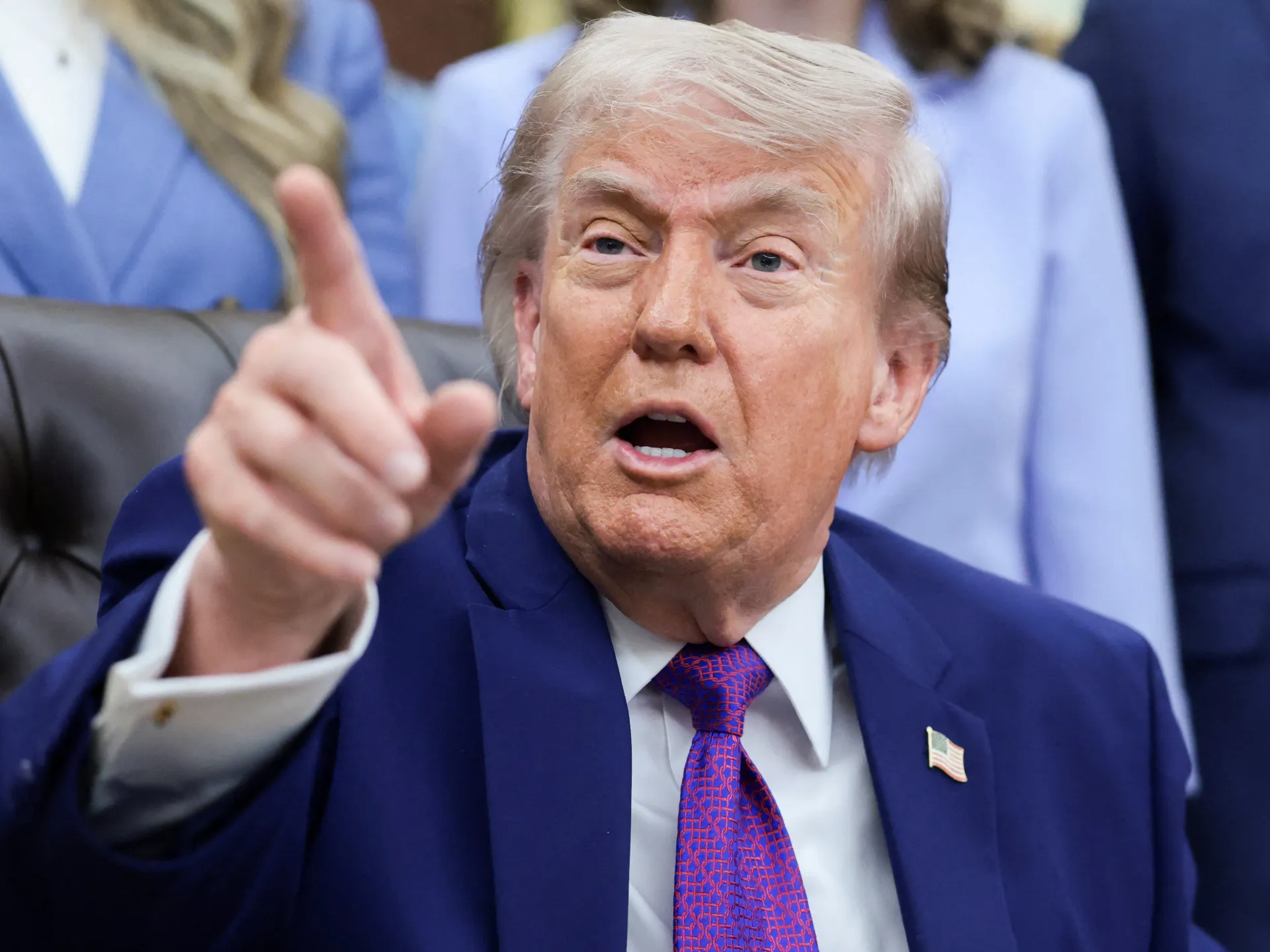
Speaking to reporters before boarding Air Force One for a trip to South Carolina, the president suggested Iran wants an agreement but is not prepared to accept one he would consider acceptable.
He offered a blunt assessment of Iran’s position, describing a country without money, without a functioning navy or air force, unable to pay its soldiers or police, and coping with inflation he put at 350%. His conclusion was that the United States would simply wait and observe what develops.
He also indicated that military options have not been set aside, and claimed the United States holds comprehensive control over the Strait of Hormuz region, extending onto surrounding land areas.
Economic Warfare Becomes the Preferred Weapon
Senior officials have been explicit about the strategy.
Vice President JD Vance said Thursday that economic pressure represents the most effective instrument available to Washington. Treasury Secretary Scott Bessent went further, stating that the administration expects both allies and adversaries to participate in the intensified campaign.
That expectation faces obvious limits. Sanctions regimes depend on broad compliance, and countries with strong energy relationships with Iran have historically found ways to continue trading regardless of American pressure.
Tehran Builds Regional Ties
Iran is responding by deepening commercial relationships closer to home.
Iranian officials announced Friday that the country had concluded a preferential trade arrangement with Oman, part of a broader effort to strengthen economic connections with neighboring states. The announcement followed the president’s threat to deliver what he termed an economic D-Day against the Islamic Republic.
The framing from Tehran has been notably combative. Iran’s parliament speaker addressed Iranian and Iraqi business figures in Baghdad on Thursday, telling them they now serve as the soldiers and commanders of this particular battlefield. He urged neighboring countries to expand economic cooperation in the face of what he characterized as unjust sanctions.
That language reflects a deliberate reframing: if the conflict has moved to the economic domain, then merchants and trade officials become combatants.
Keeping Oil Moving Through Hormuz
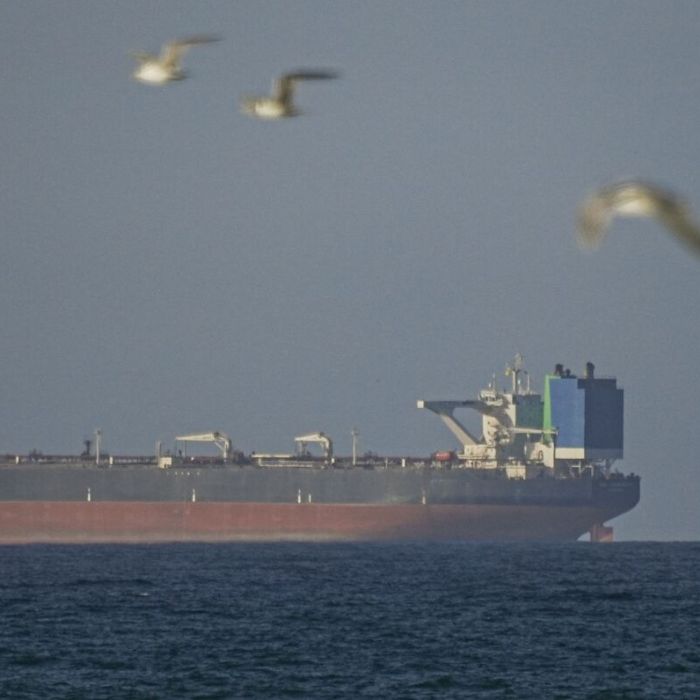
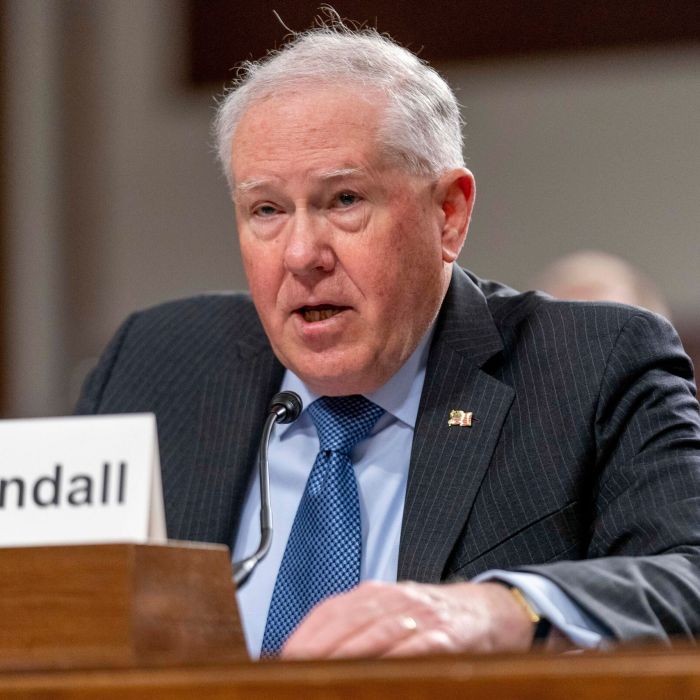
Energy Secretary Chris Wright provided detailed figures Friday on American efforts to keep crude flowing through the contested waterway.
According to Wright, the U.S. military assisted in moving more than 15 million barrels of oil and refined products through the Strait of Hormuz on Tuesday alone. Adding pipeline exports, roughly 20 million barrels departed the region that day.
Over the preceding week, he said, an average of 8 million barrels per day exited through the strait.
His summary was direct: oil is flowing, and the Navy is the reason.
How the Operation Works
Sources within the U.S. Navy and Central Command described the mechanics to CBS News. The military has combined escort operations with a naval blockade of Iranian ports in an effort to guarantee safe transit for commercial vessels.
That protection has required active defense. According to those sources, American forces have been intercepting Iranian drones and missiles directed at ships moving through the area.
The scale of the effort has been substantial. CENTCOM stated on July 29 that the military had helped move approximately 500 million barrels through the strait since May.
Shipping Looks for Alternatives
The disruption has pushed global commerce to explore routes that would have seemed impractical only a few years ago.
South Korea was preparing Saturday to dispatch its first trial container shipment through the Arctic, a direct response to the instability affecting traditional lanes. The vessel, the PanStar Acro, departs Busan New Port bound for Europe.
Its itinerary includes Felixstowe in Britain, Rotterdam in the Netherlands and Gdansk in Poland before returning home, with the full voyage projected at around 45 days.
The route offers real advantages. According to the Korea Institute for International Economic Policy, traveling through the Arctic rather than the Suez Canal cuts roughly 7,000 kilometers and about 10 days from the Asia-Europe journey.
China moved first on this. The container ship Dubai Tower left Ningbo for Europe earlier this month, passing north through the Bering Strait before turning west along Russia’s Arctic coastline.
Environmental groups have raised objections, warning that increased traffic through the region could accelerate the very ice melt that made the passage navigable.
What This Signals
The combination of these developments points toward a conflict settling into a prolonged economic standoff rather than moving toward resolution.
Washington is betting that financial isolation will eventually force acceptance of its terms. Tehran is betting it can absorb the pressure while constructing enough regional trade capacity to survive it.
Meanwhile, the practical consequences continue spreading outward, reshaping shipping patterns, energy markets and commercial relationships far from the Gulf itself.
Author