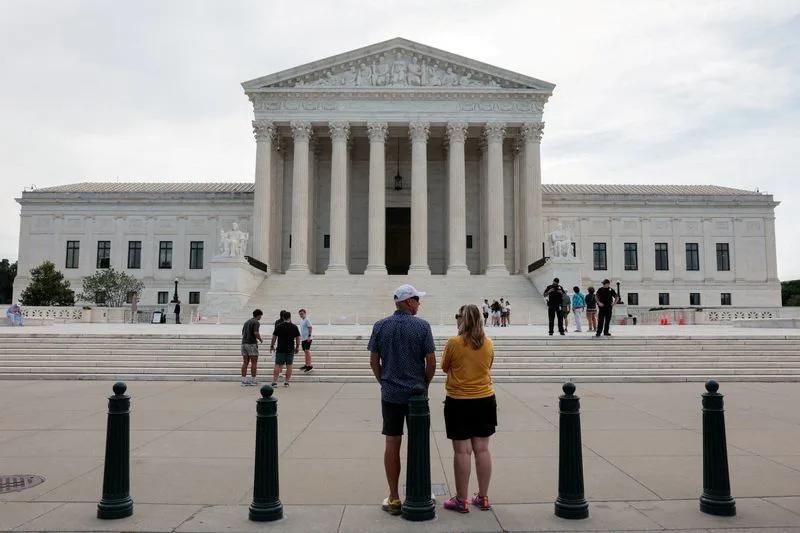
The Texas app store law has cleared a significant hurdle after the Supreme Court decided to let it take effect, marking a notable moment in the ongoing debate over how far states can go to regulate what children access on their mobile devices. On Monday, the nation’s highest court permitted the state to enforce rules requiring parental consent before minors can download apps, even as legal challenges continue to unfold in the lower courts.
A Quiet but Consequential Decision
The Supreme Court’s action came in the form of an unsigned order that offered no explanation for its reasoning. Despite the lack of detail, the impact is substantial: Texas can now move forward with enforcing its restrictions while lawsuits proceed elsewhere.
Several organizations had challenged the state, contending that the law tramples on children’s freedom of speech. Yet the court chose not to intervene at this stage, allowing the measure to remain active during the litigation process.
Understanding the App Store Accountability Act
At the center of this controversy lies the App Store Accountability Act, which Texas enacted in 2025. The legislation introduces sweeping requirements aimed at controlling how young people interact with digital platforms.
The core provisions of the law include the following:
- App stores must verify the age of every user attempting to download applications.
- Children under the age of 18 are prohibited from downloading most apps without obtaining parental consent.
- Only a handful of exceptions exist, primarily covering apps created by emergency services and the companies that administer college entrance exams.
According to state officials, lawmakers designed the measure to shield minors from encountering material deemed harmful. In practice, however, the broad scope means young users need parental approval for a wide range of applications, including popular platforms like Instagram, library apps, and even the apps of news organizations.
The Free Speech Battle
The legal clash hinges largely on competing interpretations of constitutional rights. Those challenging the law argue that its expansive reach makes it plainly unconstitutional, pointing to a series of Supreme Court precedents establishing that children possess meaningful free speech protections.
Texas, for its part, has framed the issue differently. In its court filings, the state maintained that the law regulates only commercial speech, a category that receives less constitutional protection than other forms of expression. This distinction forms a cornerstone of the state’s defense.
Nevertheless, critics remain concerned about the practical consequences. With so few exceptions built into the law, minors face barriers to accessing apps that facilitate everything from social connection to reading and staying informed about current events.
A Winding Path Through the Courts
The journey of this law through the judicial system has been anything but straightforward. Initially, a lower court blocked the measure from taking effect, expressing concern about its implications for young people’s participation in online life.
In its ruling, that court warned that the law effectively prevents minors from taking part in the democratic exchange of ideas online, a pointed critique of the legislation’s breadth.
The tide turned in June, however, when a panel of judges on the conservative Fifth Circuit Court of Appeals reinstated the law. Then, on Monday, the Supreme Court declined to disturb that decision, leaving the measure in place for the time being. The case now heads back to the lower courts, where the broader legal questions will continue to be litigated.
Part of a Growing Trend
Texas is far from alone in pursuing this kind of regulation. Several other states have adopted similar approaches, signaling a broader movement to impose restrictions on minors’ digital access.
States that have passed comparable laws include:
- Utah
- Louisiana
- Alabama
This wave of legislation reflects mounting concern among lawmakers across the country about protecting children in an increasingly digital world, even as questions about constitutionality remain unresolved.
Echoes of Past Rulings
Monday’s decision isn’t the Supreme Court’s first encounter with laws restricting children’s access to online content. Last year, the court upheld a separate Texas law requiring pornographic websites to verify the ages of their users.
That said, an important distinction exists. The court has historically treated children’s access to pornography as a special category, applying different standards than it does to other questions about online access. This means the earlier ruling doesn’t automatically translate into an endorsement of the app store restrictions, which cover a far wider array of content and services.
What the Ruling Actually Means
It’s crucial to understand the limits of Monday’s action. The Supreme Court’s decision does not declare the app store law constitutional. Instead, it merely permits enforcement while the legal challenges work their way through the system.
Still, the court’s reluctance to step in at this juncture carries some significance. By allowing the law to remain active, the justices have offered at least a tentative signal that leans in favor of the measure, even if the final verdict remains far from settled.
Why This Matters
The outcome of this legal battle could have far-reaching implications for how states regulate technology and protect minors online. Supporters argue that parental consent requirements empower families to make decisions about what their children can access, potentially shielding young people from harmful or inappropriate content.
Opponents, however, worry about the chilling effect such laws may have on free expression. By requiring approval for such a broad spectrum of apps, they contend, the legislation risks cutting children off from valuable resources and stifling their ability to engage with the world around them.
As the case continues to develop, it will likely serve as a bellwether for similar efforts nationwide. The tension between safeguarding children and preserving constitutional freedoms sits at the heart of the dispute, and how it ultimately resolves could shape digital policy for years to come.
Final Thoughts
The Supreme Court’s decision to let the Texas app store law stand, at least temporarily, represents a meaningful moment in the evolving conversation about children, technology, and free speech. While the ruling doesn’t settle the underlying constitutional questions, it allows Texas to enforce its restrictions as the broader legal fight unfolds.
For now, families in Texas must navigate the new reality of parental consent requirements, while advocates on both sides await the eventual outcome of the ongoing litigation. As more states adopt similar measures, the stakes of this debate only continue to grow, ensuring that the intersection of online access and children’s rights will remain a closely watched issue in the months and years ahead.
Author