Ukraine has a new military chief. President Volodymyr Zelenskyy dismissed Oleksandr Syrskii as commander-in-chief on Tuesday and handed the role to Mykhailo Drapatyi, a change that arrived after six straight days of protests in Kyiv.
The demonstrations did not start over Syrskii. They started over the man he had been fighting with.
The Chain of Events
Defence Minister Mykhailo Fedorov was removed from his post last week. Many Ukrainians regarded him as central to the war effort, and his dismissal set off widespread anger that filled the streets of the capital.
Before he was pushed out, Fedorov had publicly criticised Syrskii, saying the general was obstructing his reform agenda and would need to be replaced if Ukraine hoped to defeat Russia.
Now Syrskii is gone too.
A Fight Over How to Fight
The dispute between the two men was not personal ego. It was a genuine disagreement about the nature of the war.
Fedorov pushed hard toward drone innovation and greater reliance on technology. Syrskii, widely viewed as a traditionalist, favoured more conventional approaches. Fedorov accused him of sabotaging the modernisation effort.
That argument has been running through Ukraine’s military establishment for years, and it has enormous practical stakes. A war fought primarily with drones and software requires different procurement, different training and different command structures than one fought primarily with artillery and manoeuvre.
Removing both men resolves the friction. It does not obviously resolve the underlying question.
Zelenskyy Frames It as a Reset
The president cast the appointment as a necessary recalibration rather than a repudiation.
“I am grateful to Oleksandr Syrskyi and to every one of our warriors for Ukraine’s strong front-line positions,” Zelenskyy wrote on social media. “I am grateful to Mykhailo Drapatyi for holding that same view.”
He added: “Our shared wish is one, victory over the enemy and conditions at the front and in pressure on Russia that would force Russia toward peace.”
Zelenskyy also acknowledged the internal problems directly, pointing to friction within the military leadership and to persistent difficulties with mobilisation and front-line management.
An Offer for Fedorov
Zelenskyy met with the ousted defence minister on Tuesday and offered him what he described as a respected government position that would unify the country’s technology sector.
Whether Fedorov accepted was not clear.
That offer suggests Zelenskyy understands the political problem he created. Fedorov left office with substantial public support, and a popular figure outside government during wartime is a risk. Bringing him back inside, in a role suited to his actual expertise, would defuse it.
Who Is Drapatyi
The new commander-in-chief arrives with a strong operational record.
Drapatyi is regarded as disciplined and highly effective. He earned recognition for his part in halting Russian advances during the 2014 invasion of eastern Ukraine, well before the full-scale invasion of February 2022.
His more recent record is substantial:
- In 2024, he commanded forces that stopped the Russian push toward Kryvyi Rih, Zelenskyy’s hometown
- He helped drive Russian troops back from parts of the Kherson region
- He organised the defence that blunted a renewed Russian offensive in Kharkiv
Zelenskyy named him ground forces commander later that year. He resigned from that post in 2025 following a Russian strike on a ground-forces training centre that killed several Ukrainian troops.
That resignation is worth noting. An officer who steps down over casualties on his watch reads differently in a country where protesters are demanding accountability.
Will It Satisfy the Streets
The protesters have been calling for accountability and a more effective military strategy, with criticism aimed at both Syrskii and Zelenskyy’s overall handling of the war as Ukrainian casualties rise.
Whether a change at the top addresses that is uncertain. Personnel changes answer the accountability demand more easily than they answer the strategy demand.
Moscow Shrugs
Russia dismissed the significance of the appointment.
“I don’t think this will lead to any changes on the front lines,” Kremlin spokesman Dmitry Peskov said Wednesday, adding that Moscow intends to keep pressing its offensive, now approaching four and a half years.
The Cost Is Climbing
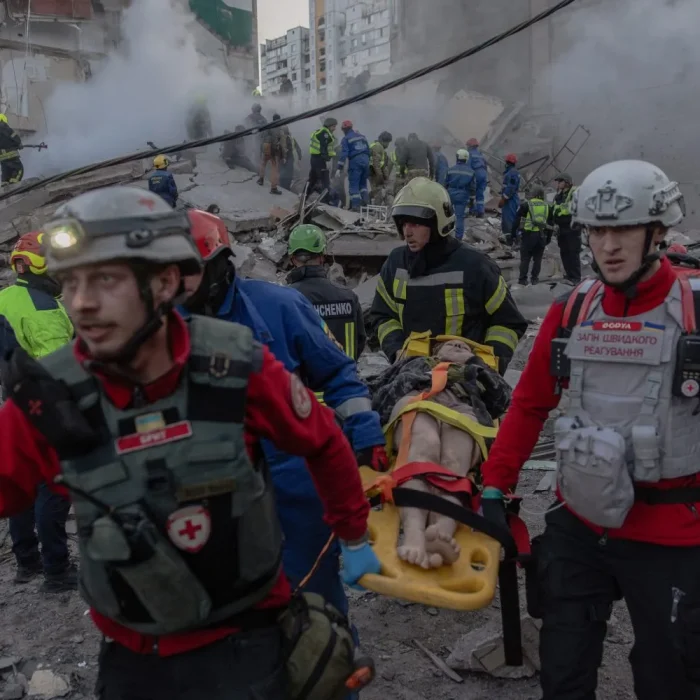
The human toll behind these political shifts continues to worsen.
Danielle Bell, who heads the UN Human Rights Monitoring Mission in Ukraine, told reporters in Geneva on Tuesday that her team documented 1,396 civilians killed and 7,978 wounded during the first six months of 2026.
That represents a 37 percent increase over the same period a year earlier, and she said it nearly doubled the figures recorded in 2024.
Both Sides Escalating
Air strikes have intensified in both directions, with each side targeting the other’s critical infrastructure. United States-led efforts to end the war remain stalled, with Washington’s attention largely consumed by its war with Iran.
Russia continues to rely heavily on ballistic missiles. Ukraine is running short of Patriot interceptor munitions, which are essential for defending against them.
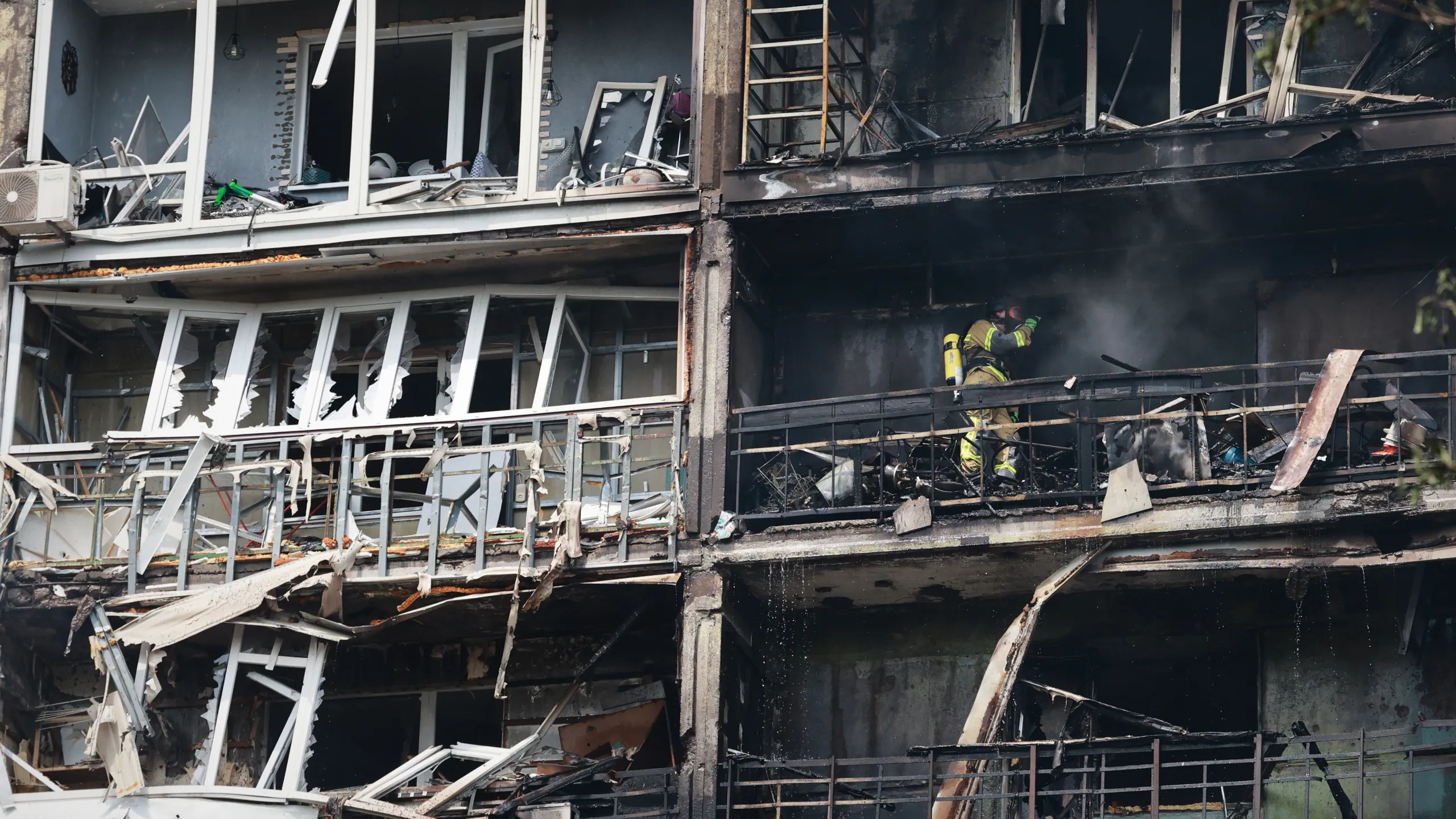
Ukraine has answered by expanding strikes inside Russia, concentrating on oil infrastructure. Drone attacks on Saturday killed at least eight warehouse workers in Russia and wounded dozens more. Another strike set fire to an oil depot outside Moscow.
What This Actually Changes
A new commander does not alter the fundamentals. Ukraine still faces a manpower problem, an interceptor shortage and a stalled diplomatic track.
What the change may alter is the internal politics of the war effort. Zelenskyy has removed the two figures whose conflict was paralysing decisions at the top and installed a commander with a reputation for competence and a demonstrated willingness to accept responsibility.
Whether that satisfies the crowds in Kyiv, and whether it translates into anything measurable at the front, will take longer to determine than a single announcement.
Author
-
Lucienne Albrecht is Luxe Chronicle’s wealth and lifestyle editor, celebrated for her elegant perspective on finance, legacy, and global luxury culture. With a flair for blending sophistication with insight, she brings a distinctly feminine voice to the world of high society and wealth.