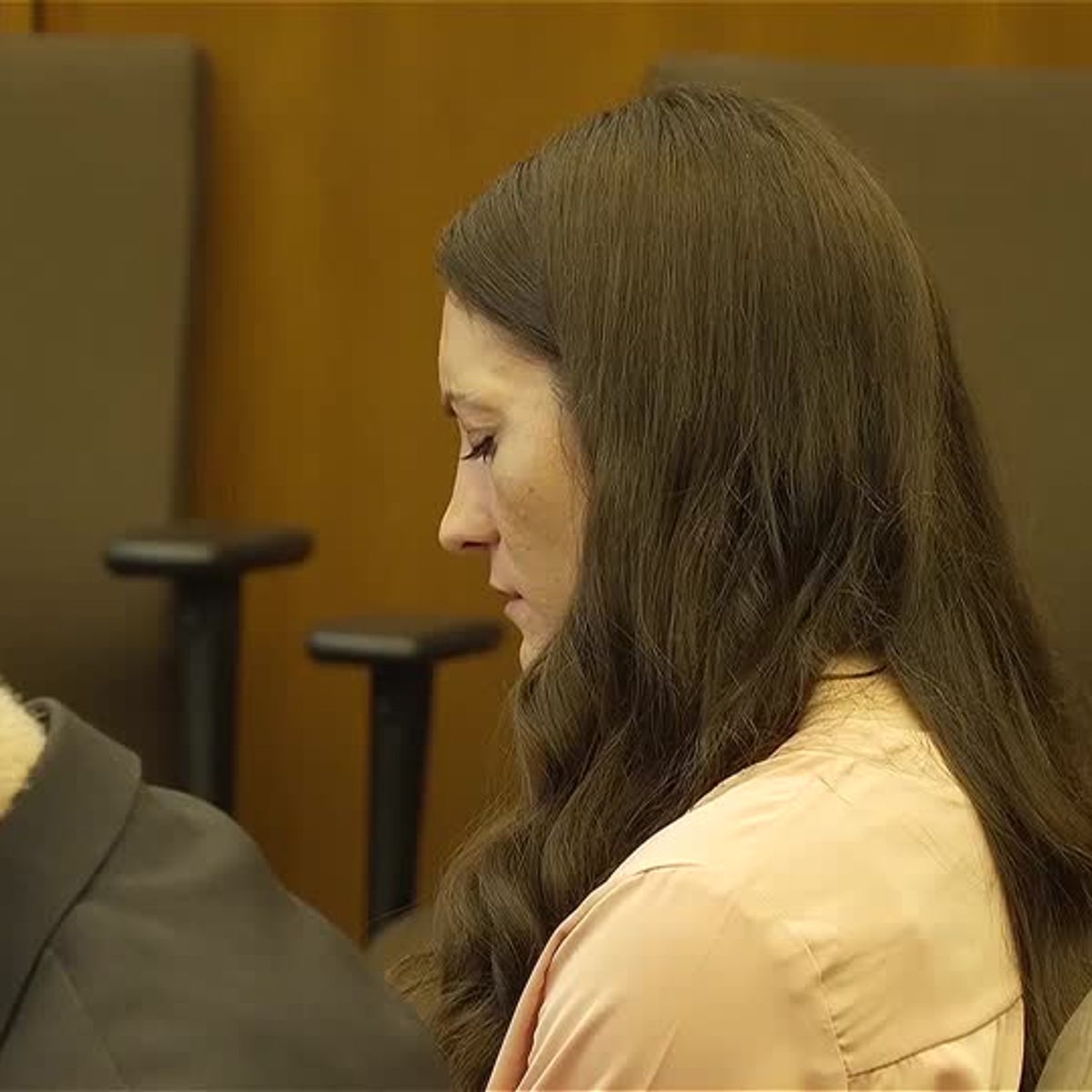
The Massachusetts Supreme Judicial Court ordered a new trial Thursday for a woman serving a life sentence for fatally stabbing her two young sons, finding that the trial judge improperly barred her defense team from using her medical records.
The court vacated the 2022 conviction of Latarsha Sanders, 51. The ruling identified an error by Plymouth Superior Court Judge William F. Sullivan, who prevented the defense from citing those records at trial.
The Legal Error at the Center
The decision turns on evidence, not on any dispute about what happened.
Medical records can carry decisive weight in cases where a defendant’s mental state is contested. They can document a diagnosis, establish that symptoms were reported to clinicians before the offense, corroborate testimony that might otherwise appear self-serving, and provide the factual foundation expert witnesses rely on when offering opinions.
Excluding that material does not merely remove one piece of evidence. It can undercut an entire defense theory, because expert testimony about mental illness becomes far weaker when the underlying clinical documentation is unavailable to the jury.
Appellate courts generally reverse on evidentiary grounds only when an exclusion is both erroneous and consequential. The vacating of a conviction indicates the court concluded the ruling could have affected the outcome.
Why the Clancy Comparison Keeps Coming Up
The case is being widely discussed alongside that of Lindsay Clancy, and the parallels are structural rather than superficial.
Both involve mothers accused of killing their own children. Both involve defenses centered on severe mental illness rather than factual denial. And both raise the same underlying question that criminal law has always struggled with: at what point does psychiatric impairment relieve a person of criminal responsibility for acts they undeniably committed.
That question is legally distinct from whether a defendant is sympathetic. Massachusetts, like most states, uses a standard asking whether a defendant, as a result of mental disease or defect, lacked substantial capacity to appreciate the wrongfulness of their conduct or to conform their behavior to the law.
Establishing that requires evidence. Which is precisely why the exclusion of medical records became grounds for reversal.
What a New Trial Actually Means
Several points are worth clarifying, because reversals of this kind are frequently misunderstood.
The ruling is not a finding of innocence. The court did not determine that Sanders did not commit the acts alleged, nor did it conclude that a mental health defense should succeed.
What the court determined is that the first trial was conducted with a legal error significant enough that the verdict cannot stand. The remedy is a new proceeding, not release.
Prosecutors retain the option to try the case again, and in a matter this serious, that is the likely path. The difference is that a retrial would proceed with the medical records available to the defense, which is the entire point of the appellate decision.
Sanders remains in custody pending further proceedings unless a court orders otherwise.
The Broader Pattern
Cases involving mothers accused of killing their children occupy an unusual space in the legal system.
They generate intense public reaction, which creates pressure on every participant, from prosecutors deciding what to charge to juries weighing an insanity defense that many people instinctively resist.
They also frequently involve conditions like postpartum psychosis or severe depression, disorders that are medically recognized but poorly understood by the general public and difficult to translate into the categorical language of criminal responsibility.
The result is a recurring tension. The legal standard requires careful evidentiary analysis of a defendant’s mental state, while the surrounding public conversation tends toward moral judgment about the acts themselves.
Thursday’s ruling reflects the court insisting on the former. Whatever the ultimate verdict, the decision holds that a defendant raising a mental health defense is entitled to present the clinical evidence supporting it.
What to Watch
Several developments will shape the case going forward.
Whether the Plymouth County District Attorney’s office announces plans to retry Sanders, and on what timeline. What the full written opinion reveals about the reasoning behind the exclusion and why the court found it prejudicial. And whether the ruling establishes guidance that affects how trial judges across Massachusetts handle medical records in similar cases.
That last point may prove the most durable consequence. Decisions from the state’s highest court set expectations for every trial court beneath it, meaning the impact could extend well past this one defendant.
Author
-
Lucienne Albrecht is Luxe Chronicle’s wealth and lifestyle editor, celebrated for her elegant perspective on finance, legacy, and global luxury culture. With a flair for blending sophistication with insight, she brings a distinctly feminine voice to the world of high society and wealth.