The hottest month on record in the United States was not just the warmest July. According to the National Oceanic and Atmospheric Administration, July 2026 was the warmest month of any kind across 132 years of American record-keeping.
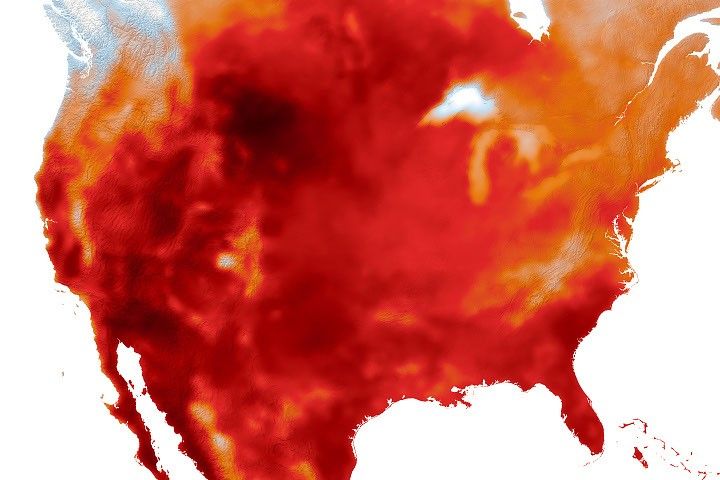
The contiguous United States averaged 76.9 degrees for the month, running 3.3 degrees above the twentieth-century baseline. Every part of the lower 48 experienced above-normal temperatures.
Where the Heat Hit Hardest
Thirteen states landed in their top five warmest Julys.
Wyoming broke through entirely, recording not only its hottest July but its hottest month ever measured, at 5.1 degrees above average.
A single day, July 12, produced a cluster of all-time records across the interior West. Salt Lake City and Sheridan, Wyoming both reached 109 degrees. Billings, Montana hit 111. Miles City, Montana climbed to 115.
Heat waves reached across a remarkable geographic range, affecting much of the West, Southwest, Rockies, northern Plains, Upper Midwest, mid-Atlantic, Gulf Coast and Southeast. There were few places to escape to.
Drought and Deluge in the Same Month
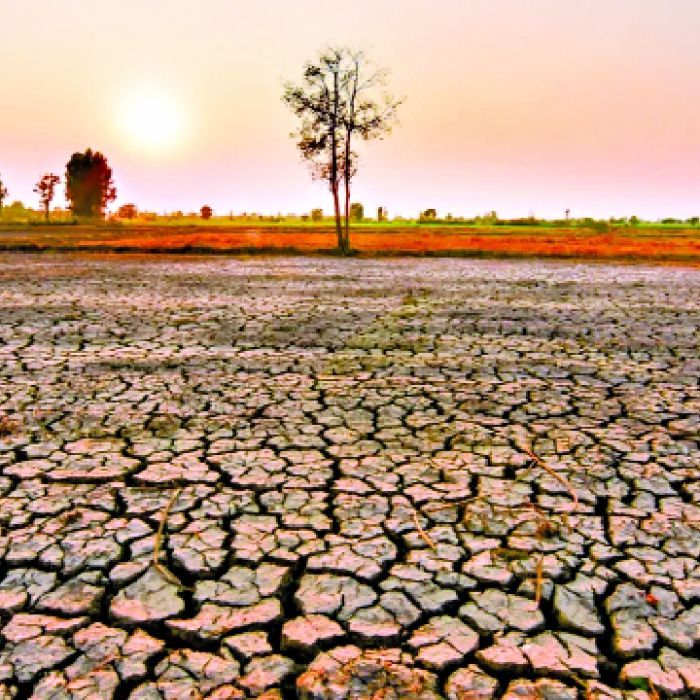
By late July, roughly 40 percent of the United States and Puerto Rico was under drought conditions, according to the U.S. Drought Monitor.
Yet several regions were simultaneously overwhelmed by water.
Between July 13 and 17, intense rainfall struck the Texas Hill Country. NOAA recorded totals exceeding 28 inches near Knippa in Uvalde County.
From July 28 to 30, slow-moving thunderstorms parked over eastern New York and dropped nearly 12 inches of rain, triggering major flash flooding.
That combination is not contradictory. A warmer atmosphere holds more moisture, which tends to produce longer dry stretches punctuated by heavier, more concentrated rainfall events. Parched ground absorbs less water, so when intense rain arrives, more of it runs off at once.
Fires Across the Northwest
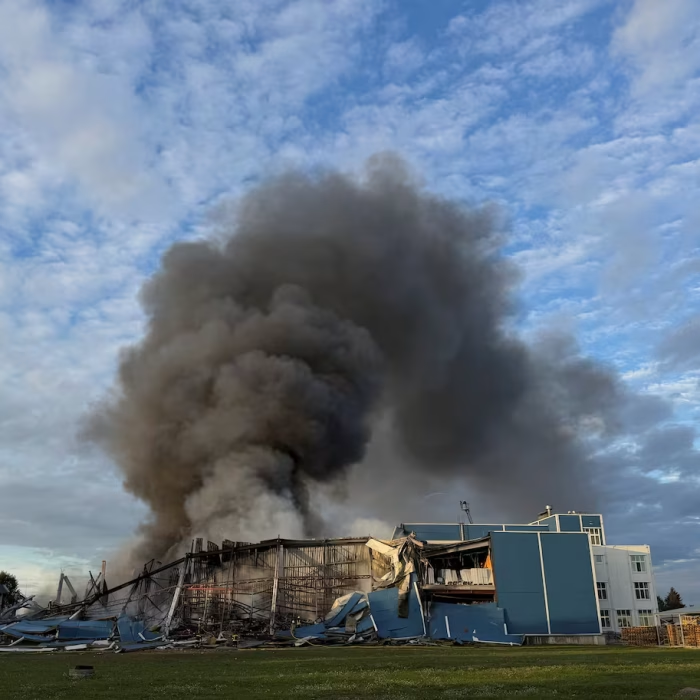
Multiple large wildfires ignited in the Pacific Northwest during July and continued burning into August.
Oregon alone saw more than 140,000 acres consumed in July, forcing thousands of residents to evacuate from largely small communities across the central and eastern portions of the state.
Fast-moving blazes have since destroyed hundreds of structures in both Washington and Oregon. Serious fires also burned in Canada and across Europe during the same period.
The Global Picture
American records did not occur in isolation. Two additional reports released Monday placed July in a wider context.
The European Union’s Copernicus Climate Change Service found that Western Europe experienced its hottest June-July period on record. The continent has endured four severe heat waves since May, breaking several national temperature records and deepening drought across the region.
Copernicus also reported that average sea surface temperatures reached their highest July levels across extrapolar oceans, the waters between 60 degrees south and 60 degrees north that remain free of seasonal sea ice.
Ocean temperature matters beyond the water itself. Warmer seas supply more energy to storms, alter rainfall patterns on land, and contribute to sea level rise through thermal expansion.
Last Year Set Records Too
A separate state of the climate report published Monday in the Bulletin of the American Meteorological Society found that 2025 was similarly extreme.
Three measures reached their highest recorded levels that year:
- Greenhouse gas concentrations
- Global sea level
- Ocean heat content
Ocean heat content is arguably the most telling of the three. It measures energy accumulated in the seas rather than surface air temperature, which fluctuates considerably year to year. Because the oceans absorb the large majority of excess heat in the climate system, that figure functions as a longer-term signal.
What This Means Practically
Records are abstractions until they intersect with daily life.
A month like July translates into utility bills that strain household budgets, outdoor labor that becomes genuinely dangerous, agricultural losses in drought regions, evacuation orders in fire zones, and emergency rooms handling heat-related illness.
It also strains infrastructure built for a different range of conditions. Power grids face peak demand at the moment transmission efficiency drops. Roads and rail lines expand beyond design tolerances. Water systems in drought areas confront supply questions with no easy answers.
Reading the Numbers Carefully
One month does not define a climate. Individual months are shaped by weather patterns that vary naturally.
What gives July 2026 its significance is the company it keeps. The warmest month in 132 years arrived alongside record European heat, record July ocean surface temperatures, and a preceding year that set records for greenhouse gases, sea level and ocean heat.
Any single measurement can be dismissed as an outlier. Several independent measurements pointing the same direction across different regions and different systems is a pattern.
Looking Ahead
The immediate consequences are still unfolding. Wildfires continue burning in the Northwest. Drought conditions persist across a substantial share of the country. Europe remains under pressure from repeated heat events.
For communities navigating evacuation orders, water restrictions and flood recovery, the statistical milestone is beside the point. What matters is that conditions once described as exceptional are arriving with enough regularity that planning for them has become routine.
Author
-
Lucienne Albrecht is Luxe Chronicle’s wealth and lifestyle editor, celebrated for her elegant perspective on finance, legacy, and global luxury culture. With a flair for blending sophistication with insight, she brings a distinctly feminine voice to the world of high society and wealth.