Ed Martin departure from the Justice Department was confirmed Friday, when the president announced that the department’s pardon attorney is stepping away from government service to focus on election-related litigation heading into the next two national election cycles.
The Announcement
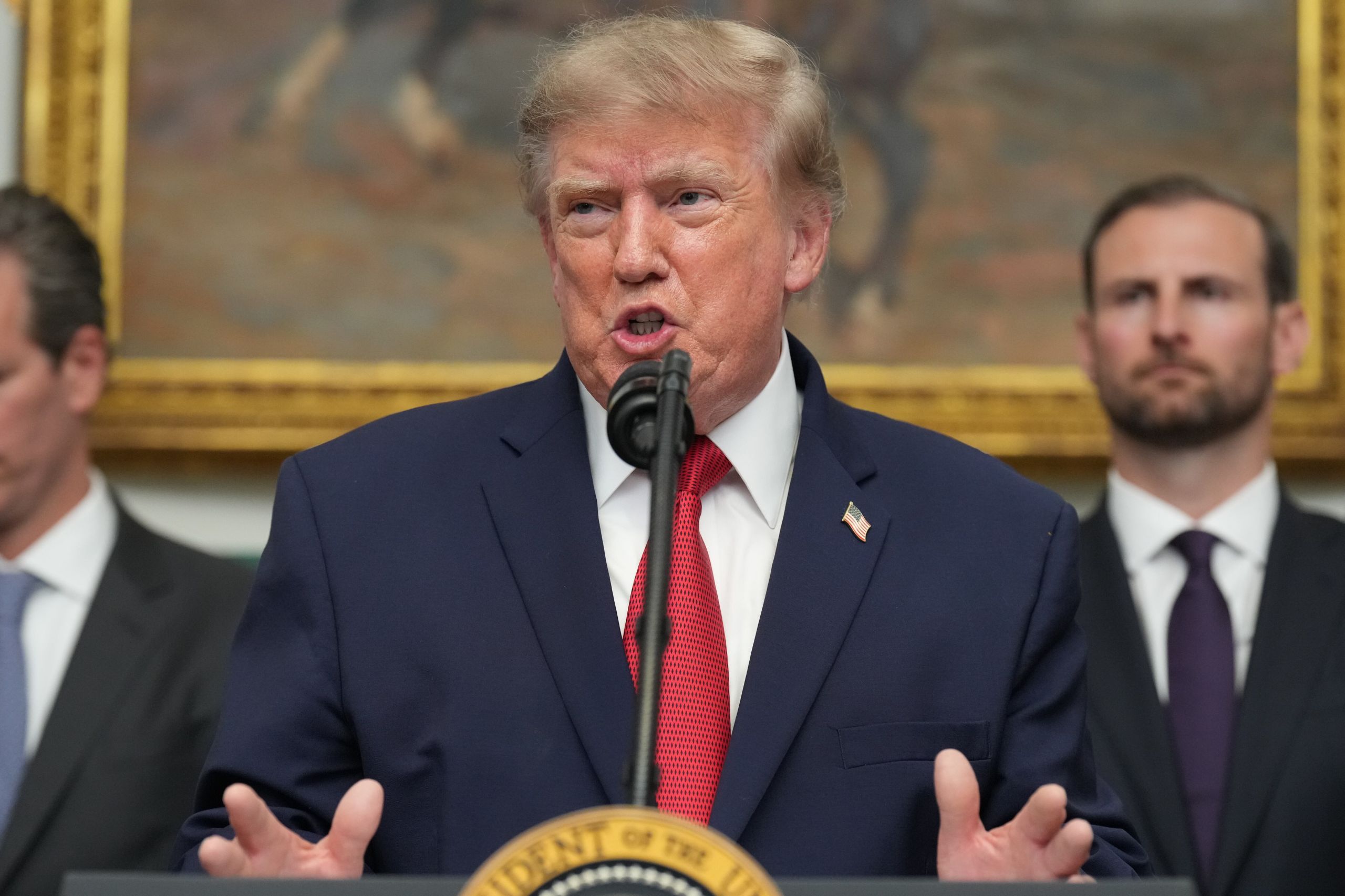
The news arrived through a social media post in which the president said Martin would move into outside work fighting legal battles connected to the coming midterm elections and the 2028 presidential contest.
The message expressed confidence in Martin’s performance, framing his new mission around securing elections described as free, fair and honest, and around defending constitutional rights.
Martin responded publicly the same afternoon, resharing the announcement on his own account and adding a short declaration of pride in having served.
A Path Marked by Setbacks
Martin’s trajectory inside the department has been anything but smooth.
He took over as U.S. attorney for the District of Columbia in January 2025, holding the position on a temporary basis. That arrangement ended in May of the same year when it became clear he could not gather sufficient support among congressional Republicans to win confirmation to the role permanently.
The District of Columbia post is among the most visible prosecutorial jobs in the country, handling both local and federal matters in the capital, which makes the confirmation failure a notable political defeat.
Following that, Martin cycled through several senior assignments within the Justice Department before landing in the pardon attorney role, a move widely understood as a demotion from his earlier standing.
The Work of the Pardon Attorney
The pardon attorney’s office reviews clemency petitions and forwards recommendations to the White House. It is typically a low-profile function, operating well outside public attention.
That changed during Martin’s tenure. His recommendations attracted significant scrutiny, including clemency granted to Rudy Giuliani and other figures connected to efforts contesting past election results.
Martin had also indicated publicly in 2025 that he intended to use the position to examine pardons issued by former President Joe Biden to family members and certain staff during the final stretch of that administration. That statement drew attention because it suggested using an administrative office to scrutinize a predecessor’s exercise of a constitutionally protected power.
The Ethics Complaint
Martin’s time in government has not been free of formal challenge. In January 2026, the Washington, D.C., bar filed an ethics complaint against him.
According to the disciplinary petition, the allegations centered on two claims. The first involved threatening to cut off federal funding to Georgetown University’s law school. The second concerned attempts to steer aside an inquiry into his own conduct during his period as U.S. attorney.
Bar disciplinary proceedings operate independently of employment status, meaning a departure from the Justice Department does not necessarily resolve the matter.
What the New Role Suggests
Moving from a federal position into private election litigation places Martin in an area that has grown considerably more active in recent cycles.
Election law work now spans a wide range of activity, including:
Challenges to state voting procedures and deadlines
Disputes over voter roll maintenance and eligibility
Litigation surrounding ballot counting and certification
Cases involving redistricting and district boundaries
Both parties maintain substantial legal operations dedicated to these questions, and the volume of filings has expanded sharply since 2020.
Positioning for Two Cycles
The framing of Martin’s new work is notable for how far ahead it looks. Rather than focusing solely on the immediate midterms, the announcement explicitly named the 2028 presidential race as part of the mission.
That long horizon reflects a broader trend in political operations, where legal groundwork is increasingly laid years before votes are cast. Establishing precedent in state courts, challenging administrative rules and shaping procedural standards all take time to work through the system.
Reading the Departure
Personnel changes at the Justice Department rarely draw sustained attention, but this one carries more weight than most because of Martin’s prior visibility and the controversies attached to his tenure.
His exit removes from government a figure who had become a lightning rod, while simultaneously placing him in a role where he can pursue similar objectives without the constraints that come with a federal appointment.
For observers of the department, the change may bring a quieter period to the pardon attorney’s office. For those tracking election litigation, it signals that a familiar name is shifting arenas rather than stepping back.
The department has not indicated who will assume the pardon attorney duties going forward, or whether the office’s approach to clemency review will change under new leadership.
Author