US-Iran Ceasefire Holds Despite Fresh Clashes in Strait of Hormuz, Trump Confirms
The fragile US-Iran ceasefire is being tested once again after both sides traded fire in the Strait of Hormuz late Thursday night. Despite the sudden flare-up, US President Donald Trump has insisted the truce between Washington and Tehran remains intact, even as questions linger over who fired the first shot.
The latest skirmish has reignited concerns about the durability of an agreement that already looked shaky just days after being announced.
What Triggered the Sudden Flare-Up?
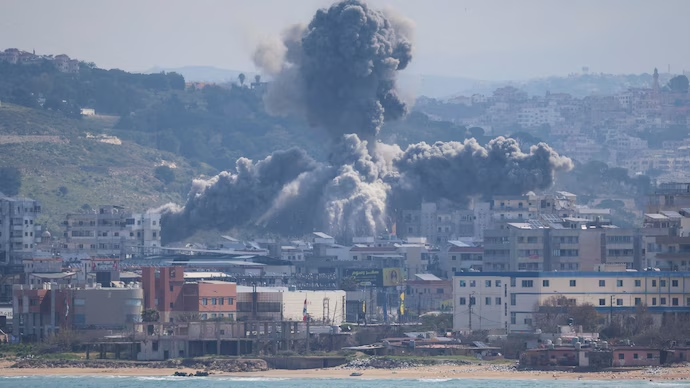
According to Iran’s top military command, US forces struck an Iranian oil tanker and another vessel as they approached the Strait of Hormuz. Tehran also accused American forces of launching “aerial attacks” on several coastal regions.
Washington, however, painted a very different picture. The US said it acted in “self-defence” after Iranian forces opened fire on American Navy guided-missile destroyers passing through the strait. Trump bluntly said Iran “trifled with us today.”
The clash came just a day after Iran’s foreign ministry hinted it was reviewing a fresh American proposal aimed at ending the conflict — making the timing of the incident all the more striking.
UAE Reports Drone and Missile Activity
Adding another layer of tension, the United Arab Emirates’ Ministry of Defence confirmed early Friday that its air defences were “actively engaging” incoming missiles and drones believed to have been launched from Iran. The development further highlights how easily the situation in the Gulf region could spiral.
Iranian state media initially described the events as “explosions” and an “exchange of fire with the enemy” in the Strait of Hormuz. Local outlets also reported blasts heard in Tehran shortly afterwards.
Conflicting Accounts From Tehran and Washington
Iran’s military leadership claimed US “aerial strikes” hit the coasts of Bandar Khamir, Sirik, and Qeshm Island. In response, Iranian forces said they targeted American naval vessels, claiming they caused “significant damage” and accusing Washington of breaking the ceasefire.
US Central Command (Centcom) flatly rejected Tehran’s version. It described Iran’s actions as “unprovoked,” noting that Iranian forces had unleashed “multiple missiles, drones and small boats” against American destroyers moving through the strait.
Centcom stated that it neutralised the incoming threats and struck several Iranian military assets in retaliation, including:
- Missile and drone launch sites
- Command and control facilities
- Intelligence, surveillance, and reconnaissance hubs
“Centcom does not seek escalation but remains positioned and ready to protect American forces,” the statement read.
Trump Issues a Sharp Warning
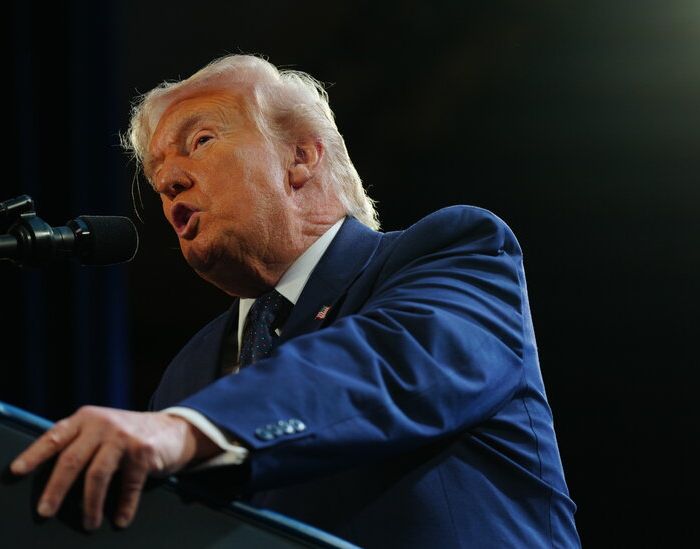
Taking to Truth Social, Trump celebrated the US response in his trademark style. He claimed American forces destroyed several Iranian small boats, describing the scene as the boats “dropped ever so beautifully down to the Ocean, very much like a butterfly dropping to its grave.”
He went on to caution Iran that any future violations would be met with even greater force. “Just like we knocked them out again today, we’ll knock them out a lot harder, and a lot more violently, in the future, if they don’t get their Deal signed, FAST!” he warned.
A source close to the Israeli government told the BBC that Israel had no role in the latest exchange.
A Ceasefire That Keeps Wobbling
Despite Trump’s recent claim that the war with Iran would be “over quickly,” fresh hostilities suggest peace remains elusive. According to US outlet Axios, the White House believes it is close to reaching a 14-point memorandum of understanding with Tehran — a framework that could pave the way for more detailed nuclear negotiations.
Earlier in the week, an Iranian foreign ministry spokesperson said the new US proposal was under review, with Tehran expected to share its position through Pakistani mediators. Pakistan’s foreign minister also confirmed his country was working hard to convert the temporary ceasefire into a “permanent end” to the conflict.
However, not everyone in Iran is on board. Ebrahim Rezaei, spokesperson for Iran’s parliamentary national security and foreign policy commission, dismissed the 14-point document as little more than a “wish list.” On X, he warned that Iran “has its finger on the trigger” and would deliver a “harsh and regret-inducing response” if Washington failed to meet Tehran’s conditions.
Threats Continue From Both Sides
Both governments have made it clear that they’re prepared to escalate if their demands aren’t met. In a Truth Social post on 6 May, Trump cautioned that if Iran walked away from the deal, “the bombing starts, and it will be, sadly, at a much higher level and intensity than it was before.”
Trump had earlier suggested that Operation Epic Fury — the joint US-Israeli campaign in Iran — would wrap up only if Tehran honoured the terms already discussed. US Secretary of State Marco Rubio previously stated that the operation had achieved its goals and was effectively over.
The US president also repeated his claim that Iran had agreed to abandon any pursuit of nuclear weapons “among other things.” Tehran has not publicly confirmed this, and Iran’s nuclear programme remains one of the most contested issues between the two nations.
What Happens Next?
The latest skirmish underscores just how fragile the US-Iran ceasefire really is. With both sides exchanging threats, missiles, and drones — and mediators scrambling to keep dialogue alive — the path to a lasting peace remains uncertain.
For now, the ceasefire technically stands. But as recent events show, it may only take a single misstep in the Strait of Hormuz to push the region back to the brink.
Author