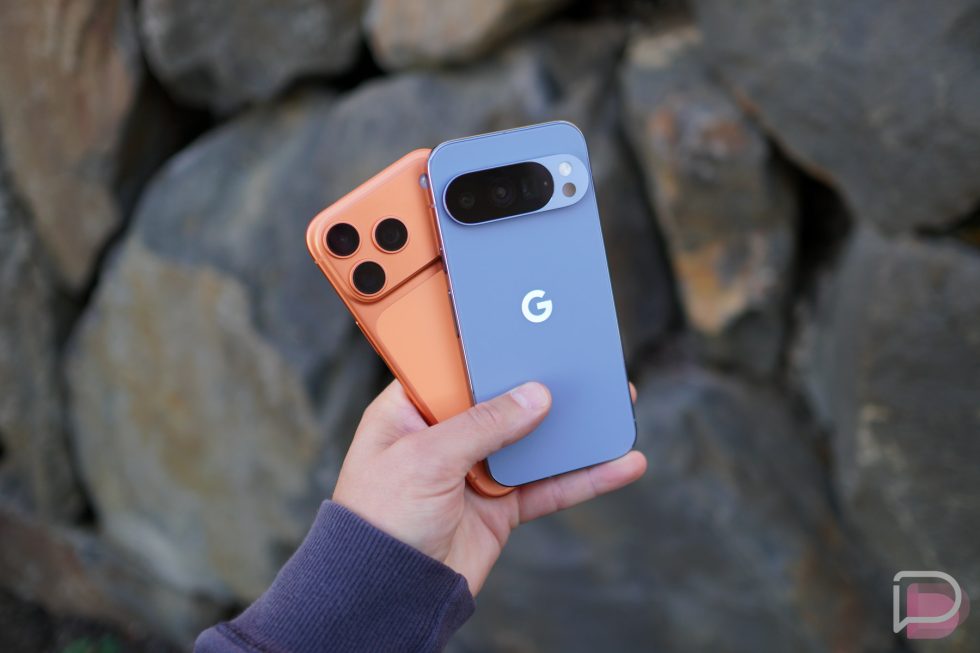
iOS to Android Switch Becomes Smoother as Google and Apple Improve Migration
The iOS to Android Switch has long been one of the biggest headaches for smartphone users. Anyone who has tried moving from an iPhone to an Android phone knows just how painful the process can be. Lost data, missing settings, broken WhatsApp chats, and disappearing app preferences have stopped many people from making the jump altogether. But all of that may finally be changing.
At the Android Show I/O Edition 2026, Google announced significant improvements to the way users can transfer their data when switching from iOS to Android. Starting with Android 17, moving between the two operating systems will be smoother, more complete, and much less frustrating.
Why the iOS to Android Switch Has Always Been Difficult
Switching mobile operating systems has historically been a tedious experience. Apple and Google built their ecosystems with very different approaches, which means many features and data types don’t translate cleanly between the two platforms.
In the past, users switching from iPhone to Android often lost:
- Messages, especially those tied to iMessage
- App-specific data like game progress or login sessions
- Custom settings and accessibility preferences
- Synced contacts and call history details
- WhatsApp chats and media
- Wallpapers, screen layouts, and personalization
These limitations made the switch feel risky, especially for users with years of personal information tied to their old devices. As a result, many people simply stuck with what they had, even if they were curious about trying something new.
What’s New in Android 17
The upgrade coming with Android 17 will give users a far more comprehensive way to bring their digital lives along when they move from iOS to Android. The expanded data transfer feature now supports a much wider range of content, making the switch feel less like starting over and more like simply continuing where you left off.
The new migration tool will support transfers for:
- Accessibility settings
- Alarms
- Apps, specifically free apps with their user data
- Calendar entries
- Call history
- Email account configurations
- eSIM details
- Files such as images and videos
- Text and chat messages
- Notes
- Passwords
- Wallpapers
- WhatsApp data
- Home screen layouts
That last point is especially big. Being able to recreate your home screen layout instantly is a small but powerful change because it preserves the familiarity that makes a phone feel like your own. Users won’t have to spend hours rearranging apps or rebuilding folders from scratch.
A Big Win for WhatsApp Users
One of the most exciting improvements involves WhatsApp. Until now, moving WhatsApp chats from iPhone to Android has been a complicated process. While Google had previously worked with WhatsApp to enable basic transfers, the new system promises a more seamless experience.
For users who rely heavily on WhatsApp for both personal and business communication, this update removes one of the biggest barriers that has historically kept people from switching. Years of conversations, photos, and shared files no longer need to be left behind.
Samsung and Pixel Get It First
As is often the case with major Android features, the new and improved iOS to Android switch will roll out first to flagship Samsung and Google Pixel devices. This mirrors the way features like Circle to Search were initially rolled out to high-end models before reaching the broader Android ecosystem.
The improved switch tool is expected to debut alongside:
- Android 17
- Samsung’s upcoming One UI 9
- The Galaxy Z Flip8
- The Galaxy Z Fold8
- The new Galaxy Z Fold8 Wide
These devices are expected to launch in July, meaning many users could see the improved migration tool available within the next few months. Samsung has already started rolling out the One UI 9.0 beta program, which suggests the upgraded Smart Switch may be testable earlier than expected.
Why Apple’s Cooperation Matters
It’s important to note that this improvement isn’t a one-sided effort. Apple has historically been protective of its ecosystem, but the company has been gradually opening up to better cross-platform data transfers. Without Apple’s cooperation, many of the new features in Android 17 simply wouldn’t be possible.
This cooperation likely stems from a mix of regulatory pressure and shifting consumer expectations. Regulators in Europe and other regions have been pushing harder for greater interoperability between major tech platforms. Consumers are also increasingly demanding the freedom to switch devices without losing years of digital memories.
Some key reasons Apple may be making it easier to leave iOS include:
- Compliance with new global digital market regulations
- Demands from consumers for more flexible data ownership
- Competitive pressure from improved Android devices
- The growing importance of trust in tech ecosystems
The Bigger Picture for Smartphone Users
For everyday users, the simplification of the iOS to Android Switch represents a meaningful shift. People will no longer feel locked into an ecosystem just because of the difficulty of moving their data. That freedom is likely to benefit consumers in multiple ways.
Some potential outcomes include:
- More competition between Apple and Google for user loyalty
- Better hardware innovations driven by competitive pressure
- More incentive for both platforms to improve customer experience
- More options for users seeking better value or unique features
In other words, when switching becomes easier, both companies have to work harder to keep users happy. That benefits everyone, regardless of which phone you prefer.
What This Means for First-Time Switchers
If you’ve been considering trying out an Android device but were worried about losing important data, Android 17 may finally remove the last major obstacle. Whether you want to try out a foldable phone like the Galaxy Z Fold8 or a flagship like the next Google Pixel, the new migration tool means you can bring your digital life with you without major disruption.
Of course, no migration is ever perfectly seamless. Some apps may still need manual setup, and certain Apple-exclusive features like FaceTime or iMessage may not have direct Android equivalents. But for the vast majority of users, the friction will be dramatically reduced.
What Comes Next
The full rollout of the upgraded migration tool will likely take time. While Samsung and Pixel devices get it first, other Android brands will eventually receive the new switching capabilities through Android 17 updates. Users on older Android devices may need to wait for their manufacturers to push the update.
In the meantime, expect to see:
- More marketing from Samsung and Google encouraging iPhone users to switch
- New comparison campaigns between flagship Android and iOS devices
- Continued improvements to Smart Switch features
- Possible reactions from Apple, including its own competitive updates
The iOS to Android Switch has long been one of the most stubborn pain points in the smartphone world. With Android 17, that’s finally starting to change. For anyone who has been curious about exploring life beyond the iPhone, this might just be the perfect time to take the leap.
Author