US military jets and drones near Cuba have become the latest signal of rising tensions between Washington and Havana. In recent weeks, surveillance aircraft and drones have been openly tracked flying close to the Caribbean nation, and many experts believe this visibility is no accident. Instead, it appears to be a calculated move by the United States to send a strong and unmistakable message.
What makes this development especially striking is that the aircraft involved are broadcasting their positions on public flight-tracking platforms. In military terms, that is unusual. It suggests intent, not oversight.
A Visible Show of Force
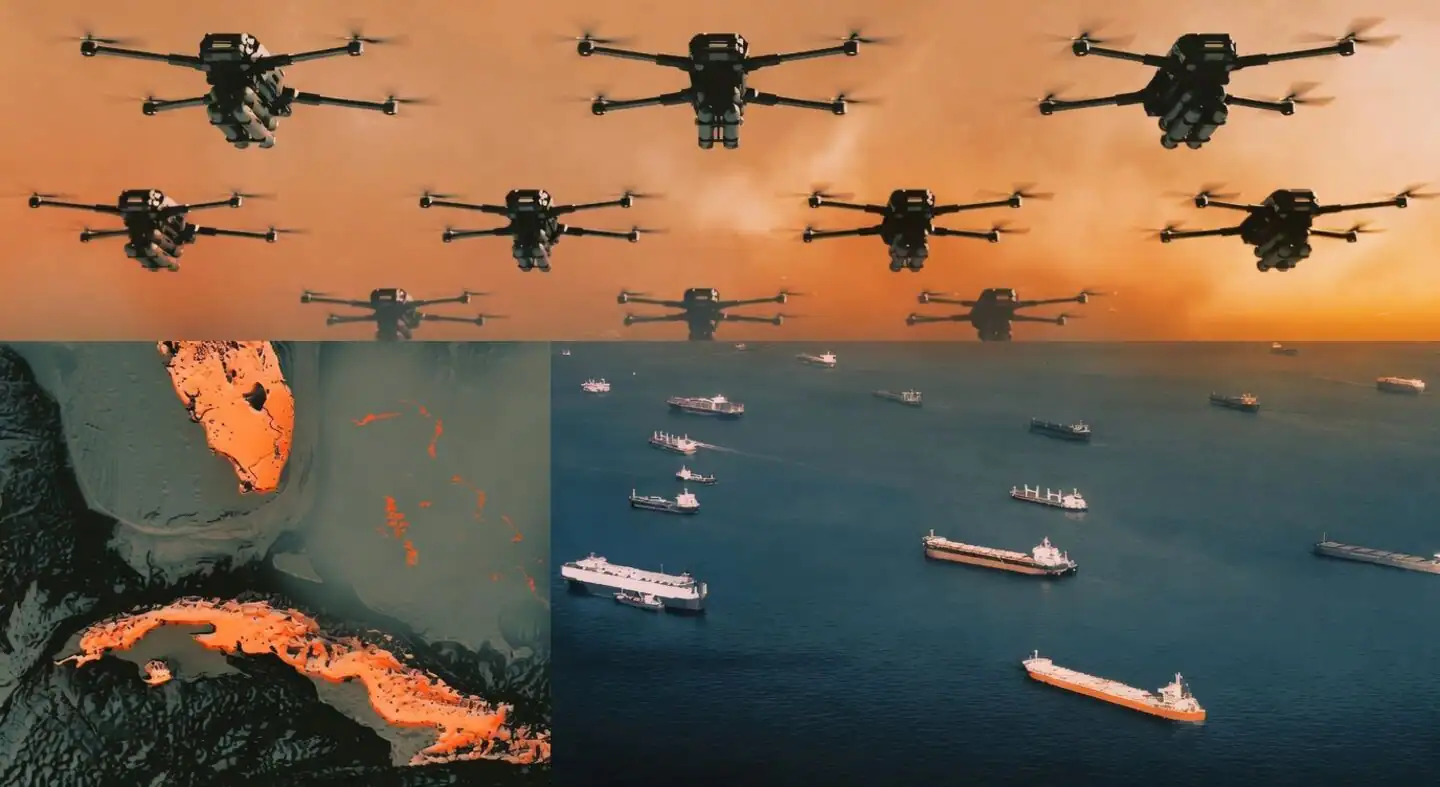
According to BBC Verify analysis of data from Flightradar24, at least five US Navy P-8A Poseidon surveillance aircraft and three MQ-4C Triton surveillance drones have been operating in the Caribbean near Cuba since 11 May. Some flights have come as close as 50 miles, or about 80 kilometers, from the Cuban coastline.
While military aircraft do not always transmit their location, the fact that these have done so for noticeable stretches of their missions is significant. Dr Steve Wright, a UK-based drone expert, explained that leaving flight transponders active is most likely deliberate. The United States, he suggested, wants to send a clear message that it is watching closely and maintaining pressure on the island.
Why This Is Happening Now
The increase in surveillance activity comes during one of the tensest periods in modern US-Cuba relations. Washington has imposed what amounts to an oil blockade on Cuba, cutting off essential energy supplies to the island. The result has been widespread hardship, including:
- Major power blackouts across Cuban cities
- Public protests driven by frustration and shortages
- Rising costs for fuel and everyday goods
- Strain on hospitals and essential services
President Donald Trump has openly pressured the Cuban government to negotiate, even hinting at the possibility of intervention similar to what occurred in Venezuela earlier this year, when President Nicolás Maduro was captured. Cuba, in turn, has accused the United States of trying to manufacture a justification for military involvement.
Cuba Responds Cautiously
Cuban officials have rejected claims that the country poses a military threat to the United States. After reports surfaced suggesting Havana had acquired drones capable of reaching the US mainland, Cuba’s foreign minister stated firmly that the country does not seek war and does not threaten anyone.
He also accused Washington of constructing a misleading case to justify aggressive action. From Cuba’s perspective, the public surveillance activity is yet another form of intimidation rather than a genuine security measure.
Rubio Offers a New Tone
Adding a political layer to the situation, US Secretary of State Marco Rubio recently addressed the Cuban people directly in Spanish on the anniversary of the country’s independence from the United States. He spoke about offering a “new relationship” with ordinary Cubans, while placing blame for the island’s struggles on its communist government rather than on the US fuel blockade.
This dual approach, military visibility combined with public diplomacy, suggests Washington is trying to apply pressure on multiple fronts simultaneously.
What the Flight Patterns Reveal
The data tells an interesting story. On 11 May, a US Navy P-8 Poseidon came within 50 miles of southern Cuba. The same aircraft was later seen flying north of Havana before returning to its base in Jacksonville, Florida. Just a few days later, on 15 May, two MQ-4C Triton drones flew patterns near southern Cuba that closely matched routes previously used by Poseidon jets.
Mark Cancian, a retired US Marine Corps colonel and senior adviser at the Center for Strategic and International Studies, said the repeated flight paths indicate a clear focus on monitoring ship traffic, especially vessels arriving from the south. Importantly, he noted that none of the flights crossed over Cuban land, which means this activity does not appear to be preparation for any kind of invasion.
He also pointed out that the United States has only a limited number of P-8 Poseidons and MQ-4C Tritons available, which makes it unlikely that these flights are simply routine training missions.
Deterring Venezuela and Closing the Gaps
Many analysts believe the surveillance push has a second purpose: discouraging Venezuela from sending oil shipments to Cuba. Venezuela has long been one of Cuba’s closest allies and a critical supplier of fuel. With Washington tightening its blockade, any attempt to deliver oil could quickly become a flashpoint.
Drone expert Steve Wright explained that the drone flights are most likely part of a broader US strategy to deter Venezuela from breaking the blockade. Defense intelligence firm Janes shared a similar view, noting that there has been a general increase in US intelligence, surveillance, and reconnaissance missions in the region since February.
According to Janes, the visibility of these flights through open-source tracking tools strongly suggests they are designed to discourage blockade-running and pressure the Cuban government at the same time.
Comparing Activity Over Time
To understand just how much things have changed, it helps to compare the current activity with earlier months. Between 1 and 7 February, BBC Verify found only one P-8 flight near Cuba and no comparable Triton drone activity. There was, however, a US Air Force RC-135V Rivet Joint reconnaissance aircraft that conducted two passes of the island.
The recent surge represents a clear escalation. More aircraft, more drones, more frequent missions, and far more public visibility now define the US posture in the region.
A Tense but Watchful Standoff
The situation remains delicate. While experts agree that the current US activity does not signal an imminent invasion, the political and economic pressure on Cuba is undeniable. The combination of fuel shortages, public protests, and visible military surveillance creates an environment where small miscalculations could quickly grow into larger conflicts.
For now, the world is watching to see whether Cuba’s leadership will respond with negotiation, defiance, or some combination of both. Meanwhile, the US continues to demonstrate, in plain sight, that it has both the technology and the will to keep close watch on the island.
What happens next will depend not only on military movements but also on diplomatic decisions, regional alliances, and the willingness of both sides to step back from the brink.
Author