Iran Peace Talks 2026 See Slight Progress as Pakistan Steps Up Mediation
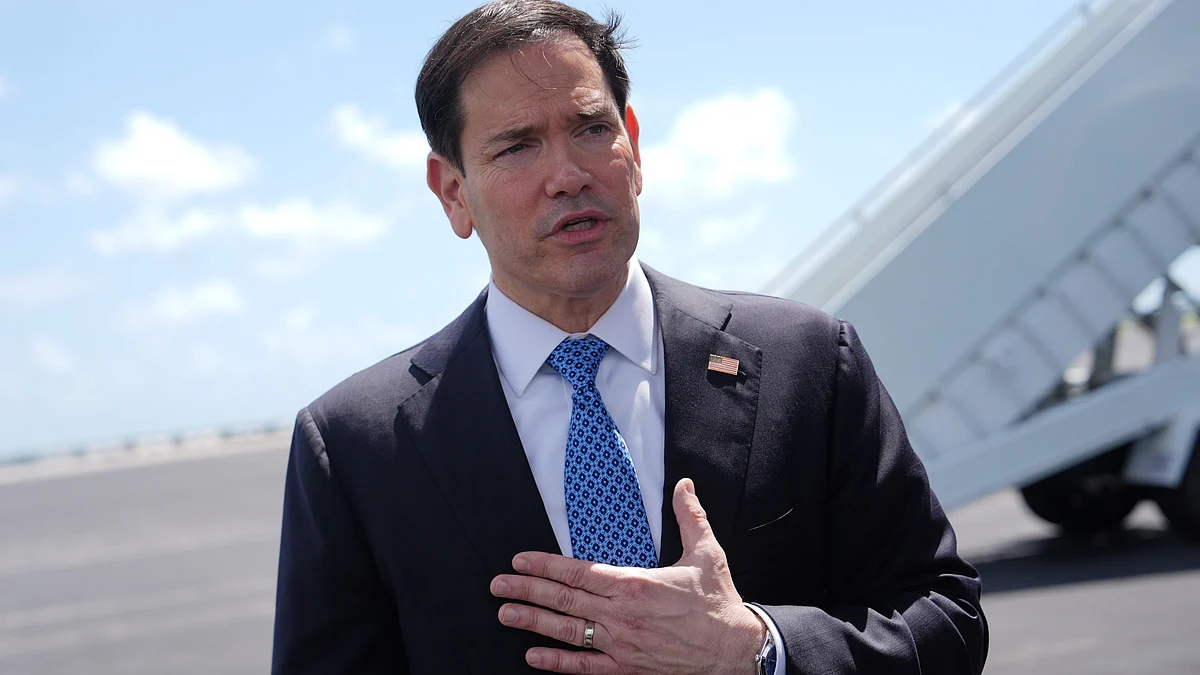
The Iran peace talks 2026 have entered a delicate but hopeful phase, with U.S. Secretary of State Marco Rubio confirming that some small progress has been made in negotiations with Tehran. As efforts to avoid a renewed war continue, Pakistan’s top military leader has flown into Iran for another round of mediation, signaling that diplomatic efforts behind the scenes are intensifying.
Rubio Confirms Movement in Negotiations
Speaking on Friday, Marco Rubio said there had been “a little bit of movement” in the ongoing discussions with Iran, although he was careful not to overstate the situation. He emphasized that while the negotiations are progressing, a final deal remains far from certain.
His comments came just days after President Donald Trump confirmed that he had decided to hold off on launching a fresh round of military strikes against Iran. Trump said that “serious negotiations” were taking place and indicated he wanted to give diplomacy a chance, although he has repeatedly warned that the fragile ceasefire reached in mid-April could collapse at any moment.
Trump’s Familiar Pattern of Deadlines and Reversals
Trump’s approach to Iran has followed a familiar pattern over the past few months. He has set multiple deadlines for Tehran to make a deal, only to walk them back when no agreement was reached. At other times, he has agreed to pause talks but then ordered military strikes shortly afterward.
That was exactly the case at the beginning of the war, when Trump ordered military action just after suggesting he would let diplomacy run its course. This unpredictable rhythm continues to keep the region on edge.
This week, Trump publicly stated that he had called off planned attacks against Iran at the request of allies in the Middle East. The decision has helped open space for renewed diplomatic efforts, but it has also placed additional pressure on negotiators to deliver real results.
Pakistan Steps In as Mediator Once Again
In a major diplomatic move, Pakistan’s army chief, Field Marshal Asim Munir, arrived in Tehran on Friday to meet with Iranian leaders. This marks the third round of high-level meetings between Pakistani and Iranian officials in recent days.
Munir is being joined by Pakistan’s interior minister, who has already visited Tehran twice this week. Pakistan has been actively involved in trying to broker peace between Iran and the United States. Last month, Munir hosted face-to-face talks between American and Iranian officials in Islamabad, marking a rare moment of direct engagement.
Pakistan is not acting alone. Qatar has also sent a delegation to Tehran. According to a regional official familiar with the discussions, that delegation is coordinating efforts alongside Egypt, Turkey, and Saudi Arabia. The collaborative push reflects the growing concern across the region that the conflict could spiral out of control if a deal is not reached soon.
The Strait of Hormuz Remains a Key Concern
One of the biggest concerns hanging over the negotiations is the situation at the Strait of Hormuz. Iran has effectively closed the vital waterway, which is essential for global shipments of oil, gas, fertilizer, and other petroleum products. The U.S. has responded by blockading Iranian ports and has already redirected 94 commercial vessels and disabled four others since mid-April, according to U.S. Central Command.
At the NATO foreign ministers’ meeting in Helsingborg, Sweden, Rubio said discussions had begun around the possibility of reopening the strait. He stressed the need for a “plan B” if negotiations with Iran fail, insisting that Tehran would not voluntarily reopen the waterway. According to Rubio, someone will eventually have to take action to ensure global energy supplies are restored.
No Mines Found in the Strait So Far
In an interesting update, U.S. military officials have confirmed that they have not yet discovered or destroyed any explosive mines in the Strait of Hormuz. No commercial ships have been damaged by mines either, although traffic remains far below pre-war levels.
A U.S. official explained that the military is still actively searching the area for any threats. Trump had previously ordered the U.S. military to begin mine-clearing operations as part of a broader push to ensure commercial shipping could safely resume.
So far, no evidence of mine-laying by Iranian forces has been confirmed. U.S. officials have repeatedly said that earlier airstrikes successfully targeted and destroyed Iran’s mine-laying capabilities.
Tensions Between Trump and Netanyahu
Trump’s decision to slow down military action and pursue further talks has created friction with Israeli Prime Minister Benjamin Netanyahu. According to officials who spoke on the condition of anonymity, Trump and Netanyahu had a “dramatic” phone conversation earlier in the week regarding the status of the Iranian negotiations.
Israel is reportedly frustrated by Trump’s willingness to keep negotiating, especially as Netanyahu has long called for stronger action against Iran. The White House declined to provide details about the call, but Trump later told reporters that Netanyahu “will do whatever I want him to do.”
This is one of the rare moments in which public differences between Trump and Netanyahu have surfaced since the war began.
Quiet Strikes by Saudi Arabia and the UAE
In a major revelation, several regional officials and a Western diplomat have confirmed that Saudi Arabia and the United Arab Emirates launched separate strikes against Iran and Iranian-backed militias in Iraq during the conflict. An Israeli military officer also confirmed that the UAE struck Iran at least once.
The Saudi strikes reportedly targeted hideouts of Iraqi militias, particularly Kataib Hezbollah. Riyadh believed that many of the drone attacks against Saudi Arabia originated from Iraq. Officials said Saudi Arabia briefed Baghdad before each operation.
The UAE has also been pushing for a collective Gulf Arab military response since the war began. When asked for comment, the UAE referenced a May 16 statement explaining that its actions were defensive and aimed at protecting its sovereignty, civilians, and critical infrastructure. Saudi Arabia has not yet publicly commented.
Iran has not publicly responded to being targeted by Saudi Arabia and the UAE.
A Region Watching the Talks Closely
The Iran peace talks 2026 are unfolding at a critical moment. With multiple countries quietly involved in mediation, the stakes have never been higher. From Pakistan’s persistent diplomatic efforts to Qatar’s coordinated outreach with Egypt, Turkey, and Saudi Arabia, the region is heavily invested in preventing further escalation.
Behind the scenes, U.S. and Iranian officials continue to push for compromise. However, repeated warnings from Trump, combined with Israel’s deep frustration and the unresolved crisis at the Strait of Hormuz, mean that any progress remains highly fragile.
What Comes Next
For now, all eyes are on Tehran as Pakistan’s army chief continues his diplomatic mission. Negotiations could either lead to a breakthrough or collapse into yet another round of military escalation. With global oil markets, regional security, and the lives of millions of civilians at stake, the next few weeks may shape the future of the Middle East for years to come.
The Iran peace talks 2026 may have only made slight progress so far, but in such a volatile situation, even small steps forward carry massive importance. Whether those steps lead to lasting peace or another wave of conflict will depend entirely on what unfolds at the negotiating table in the days ahead.
Author