Hantavirus Outbreak Update: WHO Says Situation Remains Stable
The latest hantavirus outbreak update from the World Health Organization brings some welcome reassurance amid weeks of growing concern. WHO Director-General Dr. Tedros Adhanom Ghebreyesus shared on Sunday that the global hantavirus situation is currently stable, with no new deaths reported since early May. While health officials are not letting their guard down, the steady numbers suggest that international containment efforts are working for now.
What the WHO Is Reporting
According to the WHO, 12 cases of hantavirus have been recorded so far, along with three deaths. No additional fatalities have been confirmed since May 2. The outbreak is believed to have started in South America, with infected travelers reportedly bringing the virus aboard the cruise ship MV Hondius earlier this month.
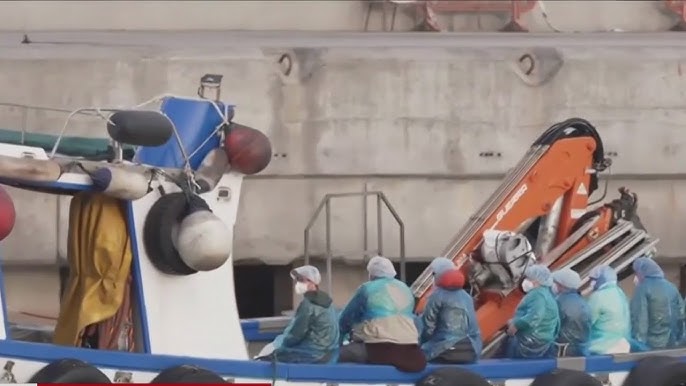
Sharing the update on the social platform X, Tedros confirmed that everyone who was on board, both passengers and crew, remains in quarantine. They are being closely watched so that anyone who develops symptoms can receive immediate care. He described the situation as stable but added that the WHO is staying alert and remains in close contact with governments around the world that are affected.
US Steps Up Preparedness Efforts
The international update came just days after Health and Human Services (HHS) Secretary Robert F. Kennedy Jr. announced a major preparedness move in the United States. On Friday, Kennedy revealed that he had signed a targeted declaration under the Public Readiness and Emergency Preparedness Act. The goal is to fast-track the development and deployment of medical countermeasures specifically aimed at the Andes virus strain of hantavirus.
In a statement posted online, Kennedy explained that the declaration is designed to clear away obstacles for researchers and emergency responders. He emphasized that HHS is treating the situation seriously and is committed to supporting safe development of potential treatments while continuing to monitor the outbreak tied to the South Atlantic cruise ship.
How the Outbreak Began
The story behind the outbreak is both unusual and unsettling. According to Argentina’s Ministry of Health, a Dutch couple joined a bird-watching tour that included a stop at a garbage dump. Officials believe this is where they may have come into contact with rodents carrying the Andes strain of hantavirus. The couple later died from the infection, as did a German national who also contracted the virus.
Argentinian health officials have announced that a team of scientific experts will be sent to investigate the origin of the outbreak in detail. The cruise ship MV Hondius left Argentina on April 1, well before the situation was identified, which has complicated tracing efforts.
Americans and Others Quarantined
After the connection between the cruise ship and the virus became clear, health authorities quickly moved to isolate everyone who may have been exposed. A total of 17 Americans and one British national from the MV Hondius were placed in quarantine in either Nebraska or Georgia, where they are being monitored for any signs of illness.
So far, the results have been mostly reassuring:
- Most quarantined individuals have shown no symptoms
- One person tested positive but never developed symptoms
- Another person had mild symptoms but did not test positive
- No active illness has spread within the quarantine units
The US Centers for Disease Control and Prevention also confirmed earlier this month that there are no confirmed cases of the Andes strain currently circulating in the country.
Not Like COVID-19, Officials Stress
Throughout the outbreak, health officials have worked hard to calm public fears by drawing clear distinctions between hantavirus and COVID-19. The early days of the pandemic in 2020 left a lasting impression on people around the world, but experts say the two situations are very different.
Hantavirus generally does not spread easily from person to person, especially when it comes to strains found in North America. Even the more concerning Andes strain has a different incubation period and transmission pattern compared to a respiratory virus like SARS-CoV-2. That makes large-scale outbreaks much less likely, particularly when quarantine measures are in place.
A Tough Time for Global Health
While the hantavirus situation appears manageable for now, it is unfolding at the same time as a far more serious crisis on another continent. An outbreak of the Ebola Bundibugyo virus disease is rapidly spreading through central Africa. More than 500 suspected cases have been reported in the Democratic Republic of the Congo alone, prompting the WHO to officially declare it a public health emergency of international concern.
Together, these two events highlight just how stretched the global health response system can become when multiple threats appear at the same time. With the WHO juggling oversight of both situations, the agency has emphasized the importance of swift information sharing and coordinated action across borders.
Key Takeaways So Far
Here is a quick snapshot of where things currently stand with the hantavirus outbreak:
- 12 confirmed cases and 3 deaths worldwide
- No new deaths reported since May 2
- All MV Hondius passengers and crew remain in quarantine
- The Andes strain is the primary concern in the current cluster
- HHS has activated a special declaration to speed up countermeasures
- Most quarantined individuals in the US remain symptom-free
- No Andes strain cases have been confirmed in the United States
Looking Forward
For now, the WHO’s message is one of measured calm. The hantavirus outbreak update reflects both the success of strict quarantine measures and the importance of cross-border cooperation. Health agencies around the world will continue watching for any new developments, especially as investigators dig deeper into how the virus made its way from South American wildlife onto a global cruise route.
While there is no reason for panic, the situation is a reminder that infectious diseases can travel quickly in today’s interconnected world. Continued vigilance, fast communication, and ongoing scientific research will remain essential in keeping this outbreak from growing into something larger.
Author