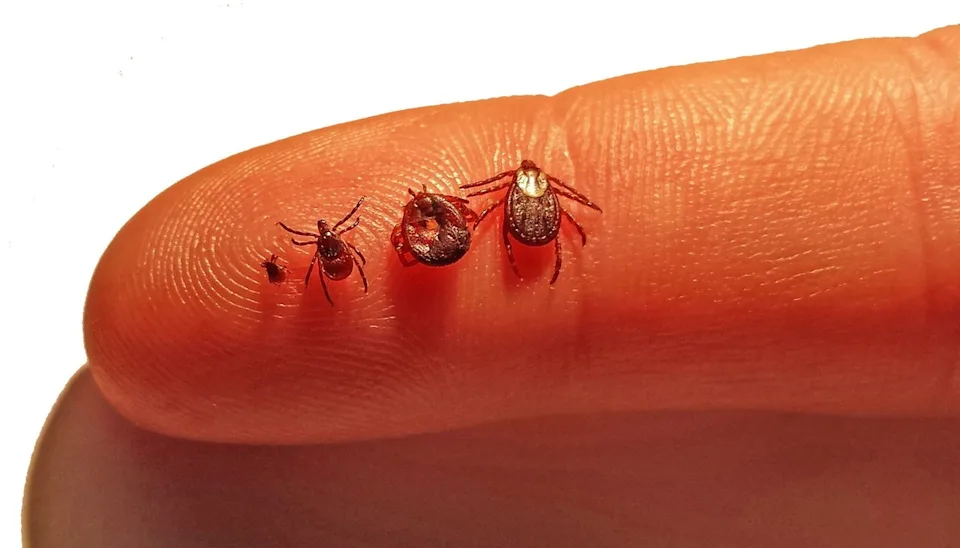
Michigan Tick Problem Is Real and Growing Every Year
If it feels like the Michigan tick problem keeps getting worse with each passing summer, you’re not imagining it. Experts confirm that ticks are not just sticking around but are actively spreading into new parts of the state. Disease-carrying black-legged ticks, in particular, have been quietly expanding their territory for decades and show no signs of slowing down.
That’s the message from Jean Tsao, a professor at Michigan State University who has spent years studying ticks and the diseases they spread, including Lyme disease. According to her, when residents say the ticks are unusually bad this season, they’re right, and they have been right for several years in a row.
Black-Legged Ticks Are Taking Over
Black-legged ticks, often called deer ticks, are the main culprits behind the rise in Lyme disease cases across Michigan. Tsao explained that some regions have hosted these ticks for decades, while others are only just beginning to see them establish populations. They tend to thrive in moist, forested environments, but they’re surprisingly adaptable and can survive in many different settings.
These ticks first appeared in Michigan’s Upper Peninsula sometime in the late 1980s or early 1990s. From there, they made their way down to the Lake Michigan shoreline in the Lower Peninsula. Today, populations of black-legged ticks have been documented in almost every county in the state. Tsao expects they will eventually be found everywhere across Michigan.
How Did They Get Here?
The exact path these ticks took to spread across Michigan remains a bit of a mystery. One theory is that migratory birds initially carried them into the state. Once they landed, deer likely helped move them around as the ticks latched on for rides across forests, fields, and rural areas. While the precise origin story isn’t fully clear, what’s certain is that they’re now firmly established and not going anywhere.
As Tsao put it, the data is solid enough to predict that every county in the state will eventually have its own tick population. Each year will feel worse than the last, partly because of growing Lyme disease awareness and partly because the actual number of ticks just keeps climbing.
Why Lyme Disease Cases Keep Climbing
The growing presence of ticks naturally leads to more disease transmission, especially Lyme disease. When black-legged ticks become more established in densely populated areas like southeast Michigan, the chances of human exposure rise dramatically. More ticks plus more people equals more cases. It’s that simple.
That’s exactly what residents and doctors have been observing. Emergency room visits related to tick bites have hit a decade high, and Lyme disease cases continue to climb across the state.
Other Tick Species You Should Know About
While black-legged ticks get the most attention, they’re not the only species creeping around Michigan. The state is home to several different ticks, each with its own behavior and risk profile. Here’s a quick look at the most common ones:
- Black-legged tick (deer tick): The main carrier of Lyme disease
- American dog tick: Widespread but rarely carries Rocky Mountain spotted fever
- Lone Star tick: Newly expanding into southeast Michigan, can trigger a serious red meat allergy
- Woodchuck tick: Less commonly encountered
- Brown dog tick: Occasionally found, especially around pets
The American dog tick is widespread but considered a relatively minor threat since only a tiny fraction carries dangerous pathogens. The Lone Star tick, however, is one to watch. It’s slowly moving into the state and is best known for transmitting a bite-related condition known as alpha-gal syndrome, which can leave people severely allergic to red meat for years.
Why Black-Legged Ticks Are the Biggest Concern
Out of all five species found in Michigan, the black-legged tick stands out as the most dangerous. That’s because it carries a wide range of pathogens, including the bacterium responsible for Lyme disease. As these ticks settle into more populated regions, the risk of human infection naturally climbs.
According to Tsao, the rise in Lyme disease cases is closely tied to the simple fact that there are more ticks in places where more people live. When ticks become a regular part of the environment in suburban backyards, parks, and trails, exposure becomes far more likely.
How to Protect Yourself From Tick Bites
The good news in all this is that the same protective steps work against every tick species. You don’t need a separate strategy for each one. Whether you’re hiking in the Upper Peninsula or just gardening in your backyard, basic prevention can dramatically reduce your risk.
Here are some practical tips to keep in mind:
- Wear long pants and tuck them into your socks when walking through grassy or wooded areas
- Use EPA-approved insect repellents containing DEET or permethrin
- Stick to the center of trails and avoid brushing against tall grass
- Do thorough tick checks after spending time outdoors
- Shower within two hours of coming inside to wash off any unattached ticks
- Toss your clothes in the dryer on high heat for at least 10 minutes to kill any hitchhikers
- Check your pets regularly, especially after walks
If you do find a tick, removing it quickly and properly is key. Use fine-tipped tweezers, grasp the tick as close to the skin as possible, and pull straight up with steady pressure. Avoid twisting or crushing it.
Helpful Resources to Stay Informed
Tsao recommends putting together what she calls a tick first-aid kit before heading outdoors, especially during peak warmer months. There are also several digital tools that can help you stay one step ahead.
Useful resources include:
- The Tick App, available for smartphones, which offers identification help and real-time guidance
- The Centers for Disease Control and Prevention website for national updates
- The Michigan Department of Health and Human Services for state-specific information
The Bottom Line
The Michigan tick problem isn’t fading anytime soon. With black-legged tick populations continuing to spread and Lone Star ticks gaining ground in the southeast, residents need to stay informed and prepared. Awareness, prevention, and quick action remain the strongest defenses against tick-borne illnesses. So before heading outside this season, take a few extra minutes to gear up, do your checks, and enjoy Michigan’s outdoors with confidence.
Author