The Hamas armed wing chief killed in recent Israeli strikes on Gaza represents one of the most significant military developments in an already volatile region. As reports of this high-profile death emerge, the broader Middle East landscape is also shifting, with the United States and Iran reportedly inching closer to a long-awaited ceasefire deal. Together, these events paint a picture of a region simultaneously moving toward diplomacy and grappling with continued violence.
Israel Strikes Down Newly Appointed Hamas Leader
On Wednesday, the Israeli military announced that Mohammad Odeh, the newly appointed chief of Hamas’s armed wing, had been killed during strikes carried out in Gaza the previous day. The development is particularly striking because Odeh’s predecessor had also been killed just days earlier, signaling Israel’s relentless campaign against the group’s senior military leadership.
While Hamas has not yet officially confirmed Odeh’s death, a relative of his told Reuters that he had indeed been killed in the operation. The lack of confirmation from Hamas itself is not unusual, as the group often delays acknowledging the loss of senior figures.
Israel’s Bold Statement of Intent
Israeli Defense Minister Israel Katz issued a forceful statement on the social media platform X following the strike. He reaffirmed Israel’s commitment to eliminating every individual involved in the October 7 attacks, declaring that those responsible are marked for death no matter where they hide.
This message reflects a continued hardline stance from Israel’s leadership, which has prioritized targeting senior Hamas figures even amid ongoing diplomatic efforts elsewhere in the region.
Civilian Toll in Gaza Continues
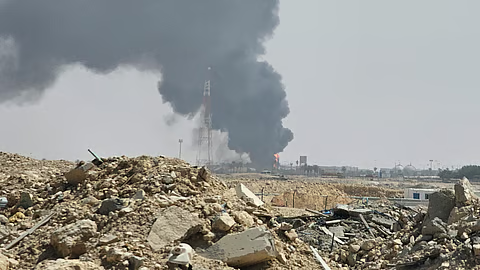
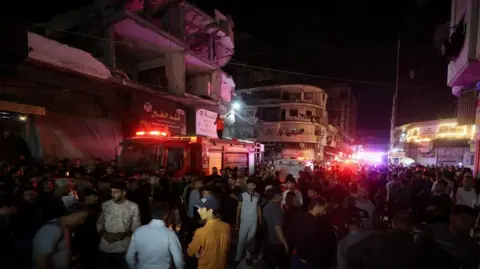
The strikes that reportedly killed Odeh were part of a broader military operation that also affected civilians. According to Gaza health officials, at least seven people lost their lives in the Israeli strikes on Tuesday, with several others wounded.
The continued violence comes despite a ceasefire deal that had been reached back in January 2025. Israel has maintained that sporadic strikes are necessary, accusing Hamas of failing to follow through on its commitment to fully disarm. At the same time, Israel has expanded its military operations against what it identifies as Hezbollah-related targets in neighboring Lebanon.
Key points about the current Gaza situation include:
- A ceasefire deal exists on paper but has not stopped intermittent strikes
- Israel accuses Hamas of breaching disarmament commitments
- Civilian casualties continue to mount in targeted areas
- Israel’s military focus has broadened to include Hezbollah in Lebanon
US Iran Deal Reportedly Close to Completion
While violence continues in Gaza, a parallel diplomatic story is unfolding between Washington and Tehran. President Donald Trump is scheduled to meet with his cabinet on Wednesday to discuss progress on what could be a historic agreement to end hostilities between the two longtime adversaries.
Secretary of State Marco Rubio recently hinted that a ceasefire deal was within reach. Trump himself has described the agreement as “largely negotiated,” though he acknowledged that several final details still need to be worked out before anything is signed.
Iran’s Cautious Optimism
From Tehran’s side, the message has also pointed toward de-escalation. Iran’s Revolutionary Guard (IRGC) told Iranian media that the chances of renewed hostilities were “low.” Mohammad Akbarzadeh, deputy political chief of the IRGC Navy, explained that while the armed forces remained fully prepared and on alert, the likelihood of war was diminishing due to what he described as the weakness of Iran’s adversaries.
This kind of public messaging from Iranian military officials is significant. It suggests that even hardliners within Iran’s defense establishment are signaling openness to a diplomatic resolution, even as they maintain a posture of military readiness.
What’s Actually at Stake in the Deal
While the optics of a US Iran ceasefire deal sound impressive, analysts have raised questions about how much the Trump administration will actually gain from the agreement. So far, little has shifted politically inside Tehran itself, and one of the major provisions of the deal involves reopening the Strait of Hormuz.
Reopening the strait would essentially return the region to its pre-war status quo, raising doubts about whether the deal represents a true breakthrough or simply a restoration of previous conditions. Still, even a return to normalcy could bring significant economic relief, particularly to global oil markets that have been rattled by ongoing tensions.
Major factors shaping the potential US Iran deal include:
- The reopening of the strategically vital Strait of Hormuz
- The pace of political shifts inside the Iranian leadership
- Whether sanctions will be lifted or modified
- The broader implications for regional stability across the Middle East
A Region of Competing Storylines
What makes this moment in Middle East politics particularly fascinating is the way two opposing narratives are unfolding simultaneously. On one hand, Israel continues its aggressive military operations, taking out Hamas leaders one after another and refusing to back down on its core demands. On the other hand, the US and Iran appear to be moving closer to ending one of the most dangerous standoffs of recent years.
Both stories will likely intersect in ways that are difficult to predict. A successful US Iran deal could shift the broader regional dynamic, potentially affecting Iran’s support for groups like Hamas and Hezbollah. At the same time, continued Israeli strikes could complicate diplomatic efforts if they spark wider unrest or draw regional powers into the conflict.
Looking Toward the Coming Days
The next several days will be critical for understanding where the Middle East is headed. Trump’s cabinet meeting could provide more clarity on the specifics of the proposed Iran deal, while Israel’s military operations in Gaza and Lebanon show no signs of slowing.
For ordinary people caught in the middle, particularly civilians in Gaza, the cost of these continuing operations remains painfully high. The hope for many across the region is that the diplomatic momentum between Washington and Tehran might eventually translate into broader peace efforts that include all the parties currently affected by violence.
For now, the Middle East remains a region of stark contrasts, where headlines about killed militant leaders share space with reports of potential historic diplomatic agreements. How these competing forces ultimately balance out will shape the region’s future for years to come.
Author