The Laos cave rescue currently unfolding in a remote stretch of jungle has captured global attention, as rescuers push deeper into pitch-black tunnels in a desperate attempt to reach seven miners who have now been trapped underground for an entire week. The operation is unfolding in central Laos, where every passing hour adds to the urgency and the risk.
Despite the harsh conditions, hope is still very much alive among the rescuers, particularly for one diver whose name became internationally known nearly a decade ago.
A Familiar Face Returns to the Front Lines
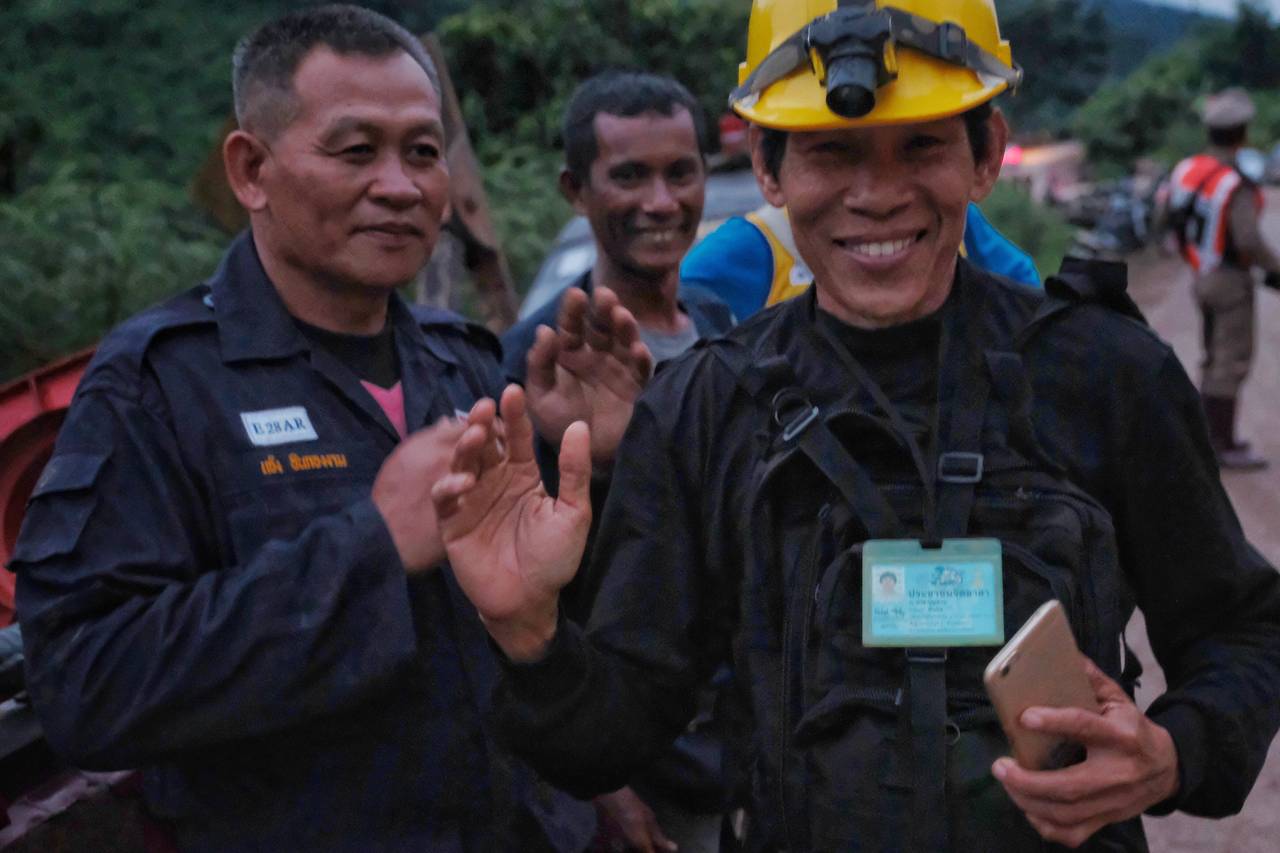
Leading part of the effort is Mikko Paasi, a Finnish diver based in Thailand who played a key role in saving the youth soccer team trapped in the Tham Luang cave back in 2018. Speaking to CBS News from the rescue site, Paasi said the team has not yet located the miners, but the mission is intensifying by the day. He believes there is still a strong chance the trapped men are alive.
His presence has brought both experience and reassurance to an operation that grows more complex with each new obstacle. For Paasi, this isn’t just another rescue—it’s a continuation of a personal mission to bring people home against extraordinary odds.
How the Miners Got Trapped
According to local officials, the group consisted of artisanal gold miners who had ventured roughly 200 yards into a hand-dug tunnel when early monsoon rains hit the region with unexpected force. Water surged in, sealing off their exit and turning what should have been a routine workday into a survival ordeal.
The mine itself is located deep within thick jungle, far from any paved road. What began as a muddy pit in the wilderness has now become a fast-evolving rescue hub, buzzing with workers, equipment, and volunteers.
A More Dangerous Mission Than Tham Luang
Paasi did not hold back when describing how much more dangerous this rescue is compared to the Thai cave operation that made global headlines.
The Laos mine is:
- Far smaller and shorter than Tham Luang
- Hand-dug, with no structural support
- Roughly the width of a car tire in some sections
- Too tight for divers to turn around underwater
- Too narrow for divers to wear oxygen tanks on their backs
Because of these conditions, divers must drag their scuba tanks behind them and even exhale fully to squeeze through the tightest gaps. The rock walls are jagged, the oxygen is limited, and the entire tunnel feels like it could collapse at any moment.
Once the divers submerge into the muddy water, visibility drops to absolute zero. They must rely entirely on touch—navigating by their fingertips through a maze of unpredictable rock.
Building a Rescue Hub in the Middle of the Jungle
Despite the remote location, the response has been remarkable. Villagers from nearby communities have worked tirelessly, even carving out a two-and-a-half-mile path through the jungle so trucks, gear, and personnel could reach the site.
Now, the area around the mine entrance includes:
- Wi-Fi connectivity for communication
- Generator-powered electricity
- Water pumps to manage flooding
- A newly built jungle access road
- Tents and resting areas for rescue teams
The cooperation between professional divers, local authorities, and ordinary villagers has turned the operation into a powerful display of community resilience.
The Slow, Tense Pace of the Operation
Even though the situation feels urgent, the rescue must move slowly. The danger is simply too high to rush. Paasi explained that if one diver becomes stuck in the tunnel, there is no easy way out. In some sections, divers may need to swim more than 100 meters before reaching a chamber large enough to turn around in. A single mistake could be fatal.
Meanwhile, the trapped miners face their own life-threatening risks, including:
- Hypothermia from the cold cave environment
- Carbon dioxide buildup in confined spaces
- Lack of food and clean water
- Possible injuries from collapsing tunnels
However, locals familiar with mining culture in the region note that miners often stay underground for several days at a time. Many bring rations with them, which has given rescuers reason to believe the trapped men may still have access to limited food and water supplies.
Hope Remains, But So Does the Hardest Question
When asked whether the miners could still be alive, Paasi remained hopeful. He said he chooses to believe they are.
But he also acknowledged a painful truth: even if the miners are alive but injured or unconscious, retrieving them from such a narrow and unstable tunnel may be nearly impossible. Pulling an incapacitated person through tight underwater passages would put both the rescuers and the victims at extreme risk.
A Race Against Time and Nature
For now, the Laos cave rescue continues with steady determination. Every diver, every villager, and every official involved is working with one goal in mind—to bring the miners home alive.
The world is watching once again as a familiar hero, surrounded by a new team and facing new dangers, dives into the unknown with the same unwavering belief that saved twelve boys and their coach in 2018.
If hope alone could break through stone and water, these miners would already be free.
Author