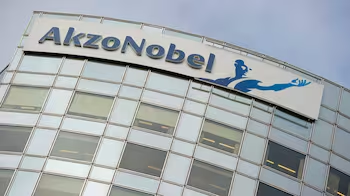
AkzoNobel takeover bid news has sent shockwaves through the global coatings industry, as the Dutch paint giant turned down a massive 12.49 billion-euro ($14.53 billion) joint acquisition proposal from Japan’s Nippon Paint Holdings and American rival Sherwin-Williams. The rejection triggered a sharp rally in AkzoNobel’s shares, signaling that investors believe more bidding action could be on the way.
A Dramatic Day on the European Markets
Shares of AkzoNobel surged dramatically in European trading following the announcement. The stock climbed as much as 21% during midday trade and rose 17% in early morning sessions, hitting 61.38 euros at one point. The sharp move wiped out the losses the company had accumulated earlier in the year, instantly transforming AkzoNobel into one of the day’s standout performers in Europe.
The reaction shows just how much interest there is in consolidation within the global paints and coatings sector. When two of the largest players in the industry team up to make an offer of this size, the market takes notice — and so do shareholders.
Inside the Rejected Offer
According to AkzoNobel, the joint proposal from Nippon Paint and Sherwin-Williams included a price of 73 euros per share. That figure represents a substantial 39% premium over AkzoNobel’s closing price of 52.52 euros on Tuesday, making it a tempting offer on paper.
Key details of the proposed deal:
- Total value: 12.49 billion euros, or roughly $14.53 billion
- Offer price: 73 euros per share, all in cash
- Structure: Nippon Paint would have launched the cash offer
- Post-deal plan: AkzoNobel’s assets would have been split between Nippon Paint and Sherwin-Williams once the transaction closed
Despite the eye-catching premium, AkzoNobel’s leadership decided it wasn’t enough to walk away from existing plans. Neither Nippon Paint nor Sherwin-Williams immediately responded to requests for comment after the rejection was made public.
Why AkzoNobel Said No
AkzoNobel didn’t reject the offer lightly. The company stated that both its management and supervisory boards unanimously concluded that the joint proposal from Nippon Paint and Sherwin-Williams was not superior to its existing path forward.
That existing path is a proposed merger with U.S. coatings company Axalta Coating Systems. AkzoNobel’s boards continue to back this deal as the better long-term option for shareholders, employees, and the business overall.
The reasoning likely comes down to several factors:
- Strategic fit with Axalta, which operates in similar markets and product categories
- The ability to maintain AkzoNobel as a unified company rather than being split apart
- Long-term value creation potential compared to a one-time cash payout
- Concerns about regulatory hurdles given how concentrated a Nippon-Sherwin combination would make the industry
Investors React with Optimism
Even though the offer was rejected, investors clearly viewed the bid as a positive signal. The double-digit jump in AkzoNobel’s stock price suggests the market believes the company is now firmly in play. When a target attracts a 39% premium offer, shareholders often expect either a sweetened bid or competing offers to follow.
This kind of reaction is typical in major M&A situations. The mere existence of a serious takeover attempt tends to put a floor under the stock price, as traders price in the possibility of future deals at similar or higher valuations.
What This Means for the Global Paints Industry
The attempted joint bid highlights how aggressively the world’s largest paint and coatings companies are pursuing consolidation. The industry has been undergoing a wave of mergers and acquisitions as companies look to expand their global reach, streamline supply chains, and gain pricing power in an increasingly competitive market.
Several factors are pushing this trend forward:
- Rising raw material costs squeezing margins across the sector
- Increased demand for specialized coatings in industries like automotive and aerospace
- Sustainability pressures requiring heavy investment in eco-friendly products
- Growing competition from regional players in Asia
- The need for scale to fund research, development, and innovation
For Nippon Paint, an acquisition of AkzoNobel’s assets would have significantly expanded its global footprint, particularly in Europe. For Sherwin-Williams, the deal would have strengthened its position in markets where it currently has limited presence. Together, they would have created a coatings powerhouse capable of reshaping the competitive landscape.
What Comes Next
With the rejection now public, all eyes turn to whether Nippon Paint and Sherwin-Williams will return with an improved offer. In large M&A situations, an initial rejection often opens the door to further negotiations rather than closing them. The two companies may decide that AkzoNobel’s strategic value is worth a higher price, especially if shareholders begin pressuring the board to reconsider.
At the same time, AkzoNobel will need to demonstrate that its planned merger with Axalta delivers real value. Shareholders who just watched their shares jump on the news of a rejected 73-euro offer will want assurance that the Axalta deal can produce comparable or better returns over the long run.
A Defining Moment for AkzoNobel
This rejection marks a pivotal chapter for the Dutch paint maker. By walking away from a substantial cash offer, AkzoNobel is making a clear statement about its confidence in its current strategy and its independent future. Whether that decision proves to be a masterstroke or a missed opportunity will depend on how the proposed Axalta merger plays out and whether Nippon Paint and Sherwin-Williams decide to make another move.
For now, the market has spoken loudly. AkzoNobel’s stock is climbing, the global coatings industry is buzzing with speculation, and the next moves from all parties involved will be watched closely by investors around the world.
Author