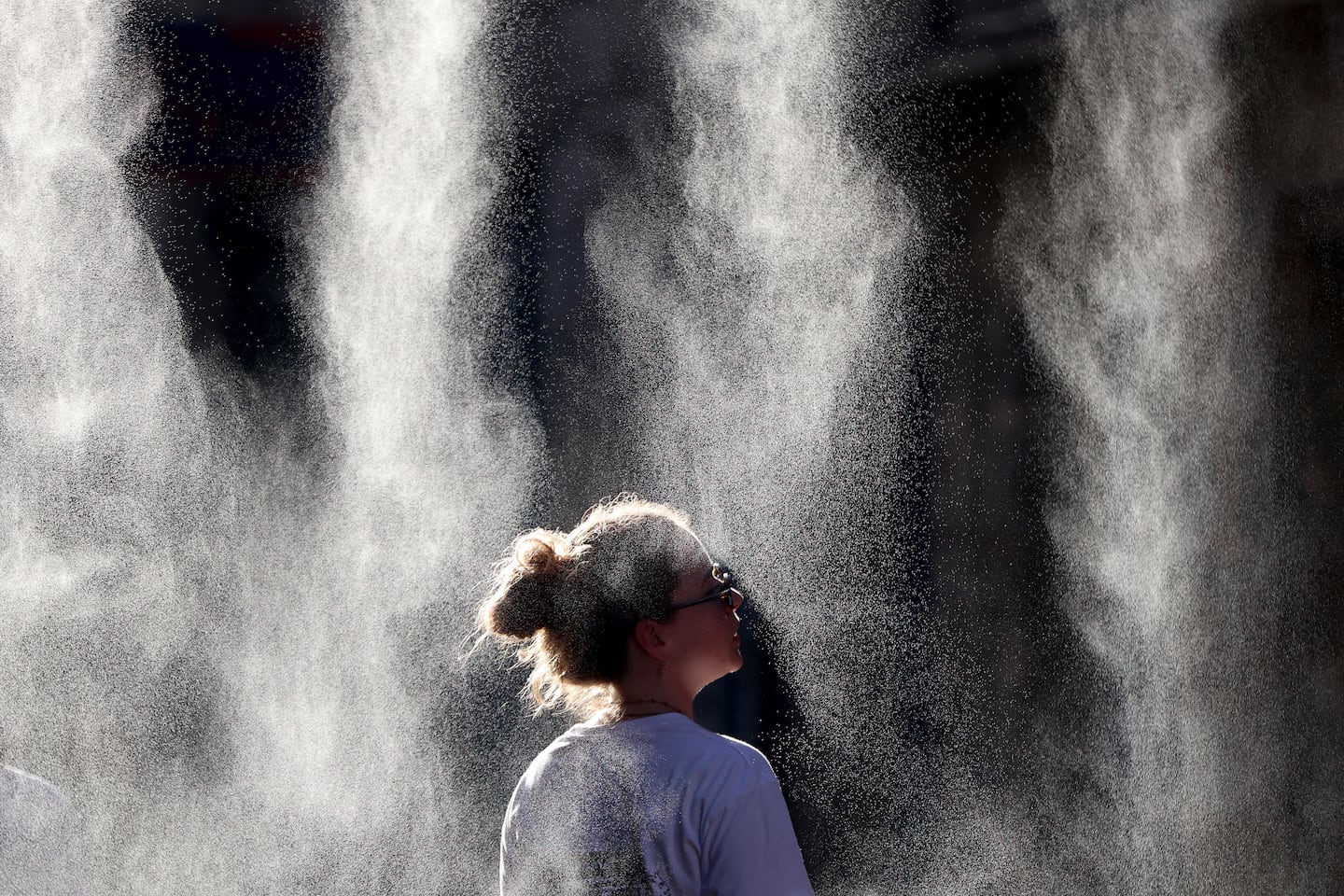
Paris heat wave has pushed city authorities to take dramatic measures, including a temporary ban on buying and drinking alcohol in public, as France grapples with record-breaking temperatures that are straining its health system. The restrictions, alongside the suspension of sports events and public gatherings, reflect growing alarm over the human toll of the extreme conditions.
A Ban on Public Drinking
Starting Friday, Parisians will be temporarily prohibited from drinking alcohol in public spaces as officials work to ease the burden on the country’s health services. The Paris police chief, Patrice Faure, barred alcohol consumption in streets and parks from midday Friday, with the sale of alcohol set to stop at 6 p.m.
It was not immediately clear how long the restrictions would last. A similar measure had been briefly enacted during a music festival the previous weekend, though it was not widely observed.
Faure explained the reasoning behind the outdoor drinking ban in stark terms, noting that alcohol consumed in direct sunlight can have devastating effects. Those effects, he said, tie up firefighters and emergency medical services precisely when others may urgently need their help.
Sports and Public Events Put on Hold
The alcohol restrictions were not the only step taken. Faure also suspended sports competitions and urged the organizers of other public events, including a music festival and a Pride march, to postpone their gatherings.
His office made clear that the request carried weight. If organizers do not voluntarily postpone, the statement indicated, Faure may order the postponements himself.
The chief framed these decisions as part of a broader effort to protect the system rather than a response to any current crisis at hospitals. While Paris’s hospitals are not yet showing signs of congestion, he stressed that his responsibility is to ensure the emergency response and hospital care systems do not become overwhelmed. Any such congestion, he warned, would be disastrous, potentially leading to additional accidents or even deaths if care could not be provided.
During the earlier weekend restrictions, Faure had noted that no one would be detained for ignoring the ban, though violators could face a fine.
A Mounting Human Toll
The health consequences of the heat wave are already becoming visible. France’s health minister, Stéphanie Rist, warned on Thursday that over the previous 24 hours, Paris had recorded four times the normal rate of people suffering cardiac arrest.
Rist said it was too early to estimate the excess mortality caused by the heat. Still, early figures paint a grim picture:
- The government estimated that 40 people drowned in heat-related accidents between June 18 and June 23.
- According to prosecutors, at least three children have died after being trapped in cars.
The tragedies involving children have been especially heartbreaking. A 3-year-old boy was found dead in his family’s car in a Paris suburb on Wednesday. Days earlier, in the southern city of Carpentras, two siblings aged 2 and 4 died after being found unresponsive in their parents’ car.
A National Response
The crisis has prompted action at the highest levels of government. Prime Minister Sébastien Lecornu said Thursday that he had activated the highest level of mobilization within the health care system, increasing hospital staffing and prioritizing care for those affected by the heat.
The health ministry followed with a financial commitment, announcing a special fund of 100 million euros, roughly $114 million, to help hospital services purchase air-conditioning units and fans.
The Bottom Line
Paris’s sweeping measures underscore just how seriously authorities are treating this heat wave. By restricting public drinking, halting sports and large gatherings, and pouring resources into hospitals, officials are betting that aggressive precautions now can prevent a far worse outcome later. With temperatures breaking records and the death toll already climbing, the city’s response highlights the growing challenge of protecting public health as extreme heat events become more frequent and severe.
For anyone affected by extreme heat, staying hydrated, avoiding direct sun during peak hours, and checking on vulnerable neighbors and family members can make a real difference. Those experiencing symptoms of heat illness should seek medical guidance promptly.
Author