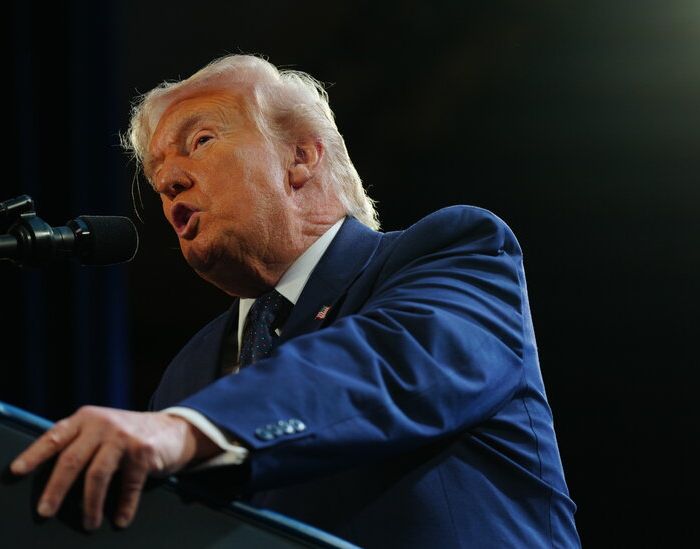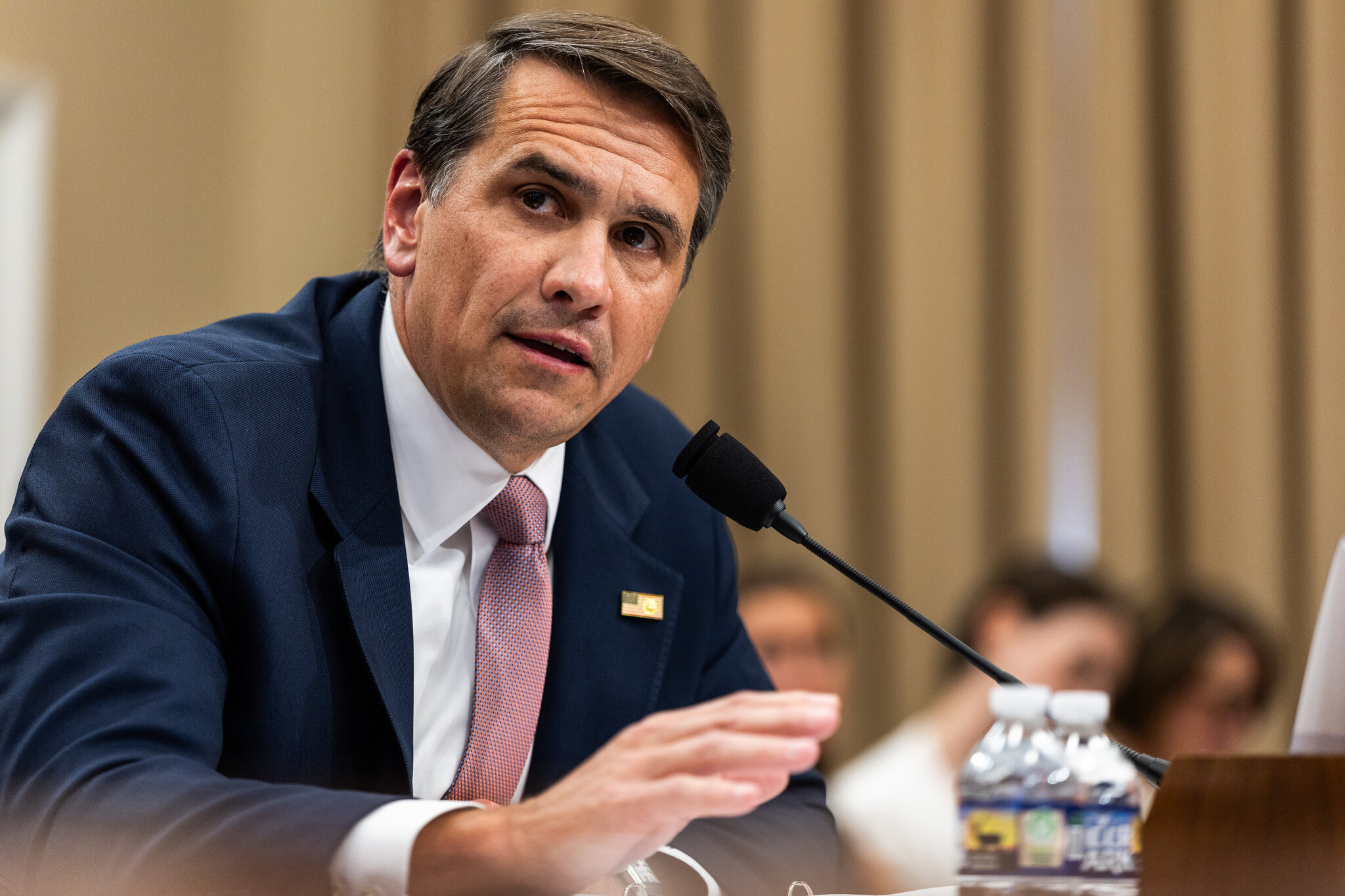
The Todd Blanche confirmation appears to be back on track after Sen. Bill Cassidy of Louisiana announced Friday that he will support President Donald Trump’s choice to lead the Justice Department. His decision arrived at a moment when three Republican defections would have sunk the nomination entirely.
Cassidy delivered his announcement on the Senate floor, and he did not pretend the choice was comfortable.
A Reluctant Endorsement
After walking through the concerns he had weighed, Cassidy said that all things considered, he would vote for Blanche. He then acknowledged the reaction he expected, adding that criticism was hardly a new experience for him.
He did not offer a full-throated defense. He said he remains troubled by what he described as episodes of apparent lawfare, using language that echoes complaints from both directions about politically driven prosecutions.
What tipped him toward yes was competence rather than enthusiasm. Cassidy noted that even those opposed to Blanche concede he understands the law and functions as a hands-on manager.
The White House moved quickly to welcome the news. Spokeswoman Lauren Bis called it great news, said the administration expects confirmation shortly, and argued that Blanche has performed well as acting attorney general and would continue to do so with the job permanently.
The Math That Made Cassidy Decisive
The arithmetic explains why one senator’s announcement carried so much weight.
Republicans hold 53 seats and need 50 votes to confirm. Several factors narrowed that cushion severely:
- Sen. Lisa Murkowski of Alaska announced her opposition Friday
- Sen. Susan Collins of Maine had already come out against the nomination
- Sen. Mitch McConnell of Kentucky is absent indefinitely
- Democrats are expected to vote no across the board
That combination meant a third Republican defection would have ended the nomination. Cassidy was the holdout most in question, and his announcement effectively closed the door on that possibility.
Murkowski’s Reasoning
Murkowski said she had held numerous constructive meetings with Blanche before deciding to oppose him, framing her objection as a judgment about the office rather than the man’s manners.
The country, she argued, needs an attorney general willing to restrain the administration’s worst instincts. She said she hoped Blanche would prove capable of that if confirmed, but did not have confidence he would.
She also raised broader institutional concerns, describing a politicization of the Justice Department that she said has gone as far as weaponization and accelerated under the current administration.
Two specific matters shaped her position. One was the department’s handling of the release of files connected to the late convicted sex offender Jeffrey Epstein. The other was the proposed $1.8 billion anti-weaponization fund, which she bluntly labeled a slush fund and questioned whether it was truly abandoned.
Trump had attacked Murkowski in an interview with Punchbowl News conducted before her announcement and released Friday. He said he opposes her, claimed no president has done more for Alaska than he has, and declared she is not good.
The Fund at the Center of the Fight
That anti-weaponization fund has been the sticking point throughout the process.
It was designed to compensate people who allege they were targeted by politically motivated prosecutions. Its origins are unusual: it emerged from Trump’s settlement with the IRS over a leak of his tax records, an agreement that also shielded him and his family business from future audits.
Sens. John Cornyn of Texas and Thom Tillis of North Carolina both initially withheld support over the arrangement. They pushed for written commitments that the fund would be rescinded and that the scope of the audit protection would be clarified.
Blanche eventually provided those assurances, and both senators moved off their objections.
Democrats remain unconvinced. They argue the fund is not genuinely dead and that legal openings exist that could allow it to be revived later.
The Epstein Dimension
Tillis attached a second condition to his support, insisting Blanche meet with Epstein survivors, something the nominee had previously declined to do.
That meeting happened privately after last month’s contentious confirmation hearing, where Tillis and other senators pressed Blanche on the department’s handling of the case.
Accounts of how it went diverge sharply. Survivor Dani Bensky described the session as neither productive nor substantive. Blanche characterized it in essentially opposite terms.
Democrats have also focused on a specific failure in the document releases: personal information belonging to survivors was left unredacted, while identifying details of individuals who may have participated in the abuse were not similarly exposed.
The McConnell Question
McConnell’s absence removed an unpredictable vote from the equation.
A spokesperson did not respond to questions Friday about how the retiring Kentucky senator would have voted had he been present. That silence is notable, because McConnell has broken with the administration on high-profile nominations before, opposing both Defense Secretary Pete Hegseth and Health and Human Services Secretary Robert F. Kennedy Jr.
His vote may not matter now. With Cassidy on board, Blanche appears to have the numbers, and a final confirmation vote is expected soon.
Author
-
Lucienne Albrecht is Luxe Chronicle’s wealth and lifestyle editor, celebrated for her elegant perspective on finance, legacy, and global luxury culture. With a flair for blending sophistication with insight, she brings a distinctly feminine voice to the world of high society and wealth.