Colorado voters won’t have the chance this November to decide whether to overhaul the state’s congressional districts in a way that could have boosted Democratic prospects in future elections. The state Supreme Court has struck down a set of proposed ballot initiatives, dealing a fresh blow to a redistricting push with national implications.
What the Court Decided
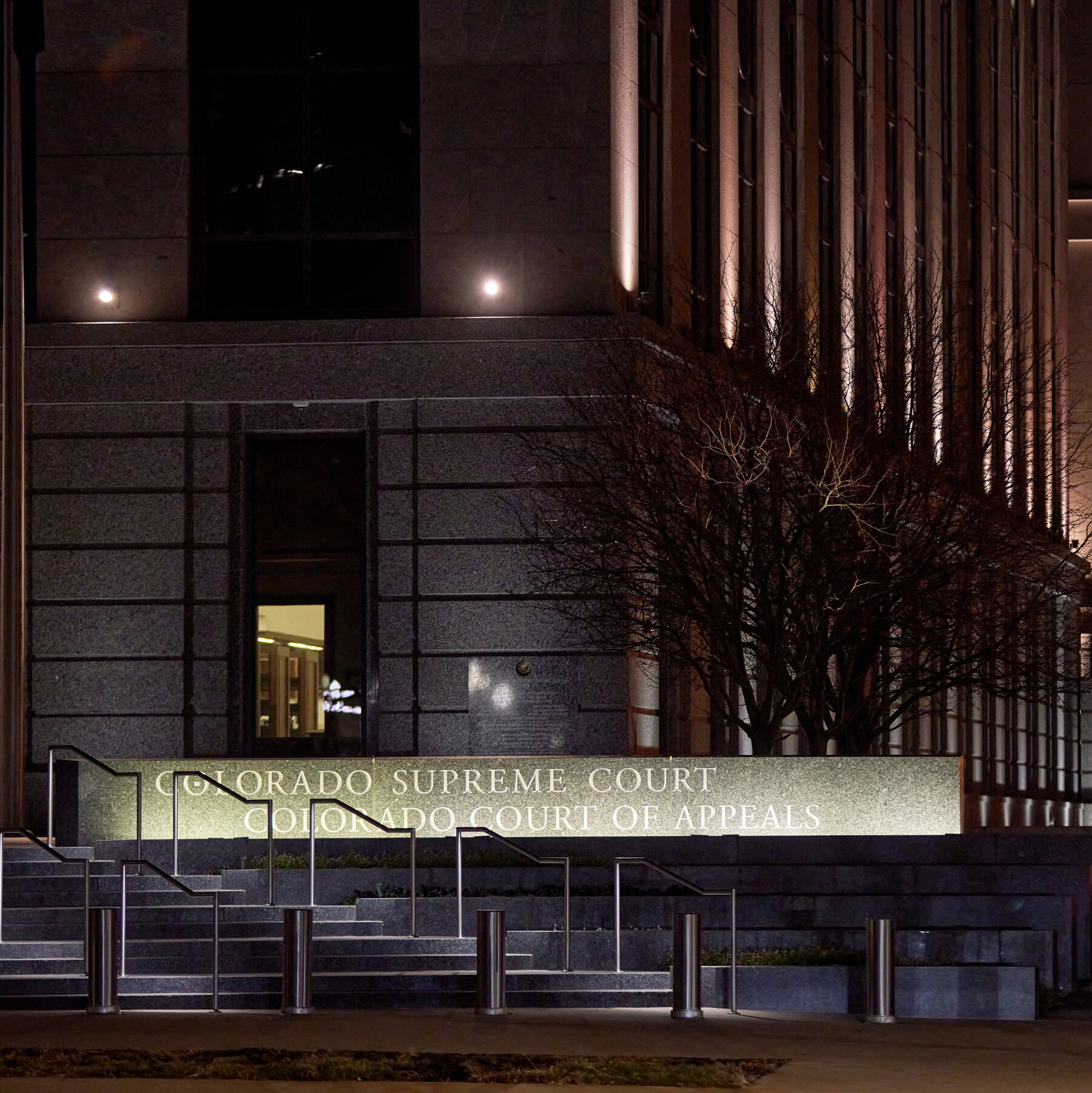
On Monday, the Colorado Supreme Court invalidated a series of proposed ballot measures that would have bypassed the state’s independent redistricting commission and authorized new U.S. House districts for the 2028 and 2030 elections. The court ruled that the measures ran afoul of the state constitution by packing multiple subjects into a single initiative.
That technical but consequential finding effectively removed the question from the November ballot, leaving the existing map in place.
A Setback in a National Battle
The rulings represent yet another stumble for Democrats in a sprawling nationwide fight over redistricting that could ultimately determine control of Congress. Earlier this year, courts also threw out Democratic redistricting efforts in Virginia and New York that had targeted the midterm elections, though Democrats may attempt to revive those plans before 2028.
At the same time, the broader landscape has tilted in Republicans’ favor. The U.S. Supreme Court weakened federal Voting Rights Act protections for people of color, clearing a path for Republicans in several Southern states to redraw majority-Black districts that had been electing Democrats.
How the Fight Began
The current redistricting war traces back to President Donald Trump, who set off an unusual mid-decade scramble last year by urging Republicans in Texas to redraw their congressional maps. The goal was to capture several additional seats in the midterms and preserve the party’s grip on a narrowly divided chamber.
Other Republican-led states quickly followed Texas’s lead, and several Democratic-led states tried to push back with maps of their own. In the end, Republicans came out ahead in more states, drawing new districts they hope could net as many as 10 additional seats in November.
Colorado’s Balanced Delegation
Colorado currently sends an evenly split delegation to the U.S. House, with four Democrats and four Republicans serving under a map drawn by the state’s independent redistricting commission following the 2020 census. Changing those lines before the next census would require a constitutional amendment.
The Democratic-backed proposal aimed to do exactly that. It would have authorized mid-decade redistricting and created new districts that could have helped Democrats gain up to three seats. Supporters presented two paths to get there: a single amendment combining both elements, and a pair of initiatives that separated the authorization for redistricting from the new map itself, with both needing to pass to take effect.
The court rejected both versions, concluding that each violated the prohibition on addressing multiple subjects in one measure. Applying the same reasoning, the justices also struck down identical Republican-backed initiatives that had been filed to counter the Democratic effort.
Reactions From Both Sides
The decision drew sharp disappointment from supporters of the Democratic measures. Coloradans for a Level Playing Field, which backed the initiatives, expressed frustration at the outcome. Spokesperson Curtis Hubbard argued that while Trump and his allies routinely sidestep the law and disregard voters, attempts to respond had once again been derailed by what he characterized as a legal technicality.
Defenders of Colorado’s independent commission saw the ruling very differently. Coloradans approved a constitutional amendment establishing the commission back in 2018, and a group that championed that measure welcomed the court’s decision for leaving the commission intact.
Frank McNulty, chair of Fair Maps Colorado, praised the state for holding the line. He contrasted Colorado with other states he said were sliding into partisan gerrymandering warfare, arguing that Colorado was defending its reputation as a model of fairness and good government.
What It Means Going Forward
For now, Colorado’s evenly divided House map stands untouched, and the state’s independent redistricting process remains the governing framework for drawing district lines. The ruling underscores how legal guardrails, like Colorado’s single-subject rule and its voter-created commission, can shape the redistricting battle just as powerfully as the political maneuvering driving it.
As both parties continue to jockey for advantage across the country, Colorado’s decision stands out as a moment where the state’s existing safeguards held firm, even as the national fight over the balance of power in Congress rages on.
Author