A second Texas screwworm case has been confirmed by the U.S. Department of Agriculture, intensifying fears of a broader outbreak of the dreaded flesh-eating parasite. The new detection, announced Friday, surfaced just miles from where the first U.S. case in decades was reported earlier this week — a proximity that has put ranchers and agricultural officials on high alert.
For an industry that has spent the past year bracing for the pest’s arrival, the back-to-back detections represent exactly the scenario they hoped to avoid.
A Troubling Discovery
The latest case was found in Zavala County, on a ranch located just 5.6 miles from the site of the first positive screwworm detection in Texas, which the USDA confirmed on Wednesday.
According to the department’s Animal and Plant Health Inspection Service (APHIS), the second infestation came to light after officials tested a number of suspect cases in the area. The agency emphasized that investigative work is ongoing.
APHIS, working alongside the Texas Animal Health Commission, reported that it continues to collect and test additional samples from the surrounding region. So far, those further samples have come back negative — a small but meaningful piece of reassurance amid the mounting concern.
A Setback Near the Border
Both the new case and the initial detection occurred near La Pryor, a town roughly 30 miles northeast of the U.S.-Mexico border. The location is significant, as ranchers have been tracking the parasite’s steady northward march through Mexico over the past year.
The confirmations deal a clear setback to U.S. cattle producers who had been preparing for precisely this moment. The pest’s arrival on American soil, despite extensive preventive efforts, signals that the threat they feared has now materialized.
Understanding the Screwworm Threat
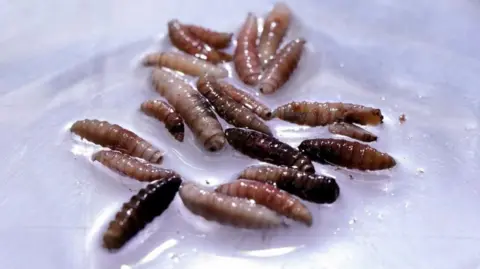
The screwworm is far more dangerous than its small size might suggest. These parasitic flies deposit their eggs in the open wounds or mucous membranes of warm-blooded animals.
The danger lies in what happens next:
- The eggs hatch into larvae
- The larvae burrow into living tissue
- They feed on the host animal
- Without treatment, the damage can prove fatal
This destructive feeding behavior is what makes the parasite such a serious menace to livestock and wildlife alike.
Echoes of a Devastating Past
The current alarm is rooted in history. An outbreak across U.S. border states during the 1960s wreaked havoc on wildlife populations and inflicted heavy financial losses on ranchers.
A widespread resurgence today could prove especially damaging in Texas, the nation’s largest cattle-producing state. The economic toll would extend beyond animal deaths to include rising labor costs and expensive treatment requirements, striking at the heart of a vital industry.
The Fight to Hold the Line
Washington has not been passive in the face of this threat. For more than a year, the U.S.-Mexico border has remained closed to live cattle imports as a protective measure.
Beyond the border closure, the government has invested millions of dollars in an effort to slow the pest’s advance. Those measures include:
- Funding the production of sterile flies to disrupt breeding
- Expanding trapping programs to detect and catch the parasite
- Stepping up livestock monitoring across vulnerable areas
These coordinated efforts reflect the seriousness with which authorities are treating the risk. Yet the two confirmed cases in Texas underscore just how difficult the parasite is to contain.
As testing continues and officials work to determine the full scope of the situation, the cattle industry watches anxiously. The hope is that swift detection and aggressive intervention can prevent these isolated cases from blossoming into the kind of widespread outbreak that devastated the region more than half a century ago.
Author