Hormuz Deadline Nears as Tehran Hardens Terms and Another Tanker Is Struck
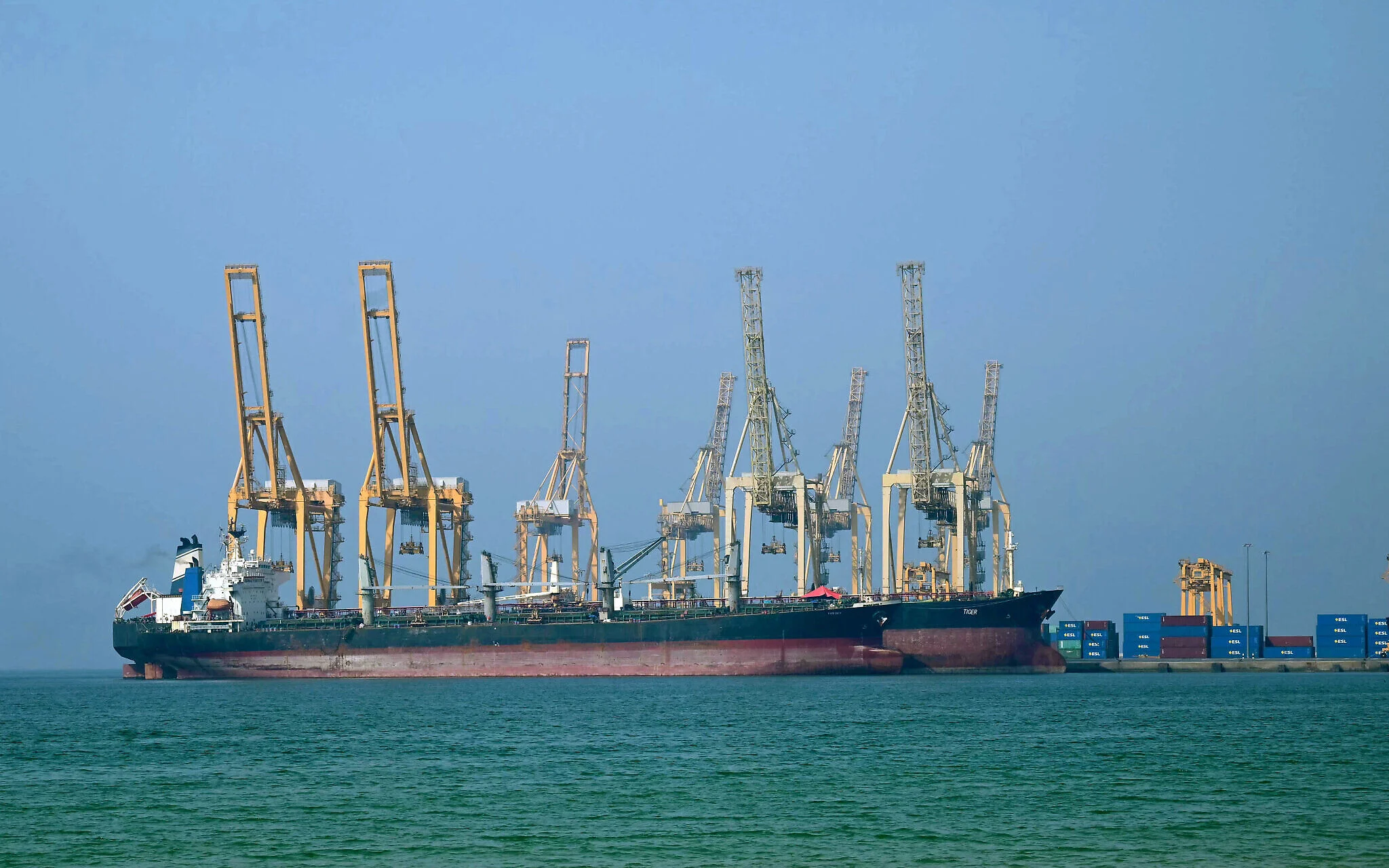
The Strait of Hormuz talks reached a difficult juncture this weekend, with Iran publishing a sweeping list of conditions for reopening the waterway just as a UAE-owned vessel was reportedly hit by a missile while transiting it.
With roughly a week remaining in the negotiating window established under an interim agreement, the gap between the two sides appears to have widened rather than narrowed.
Iran’s New Terms
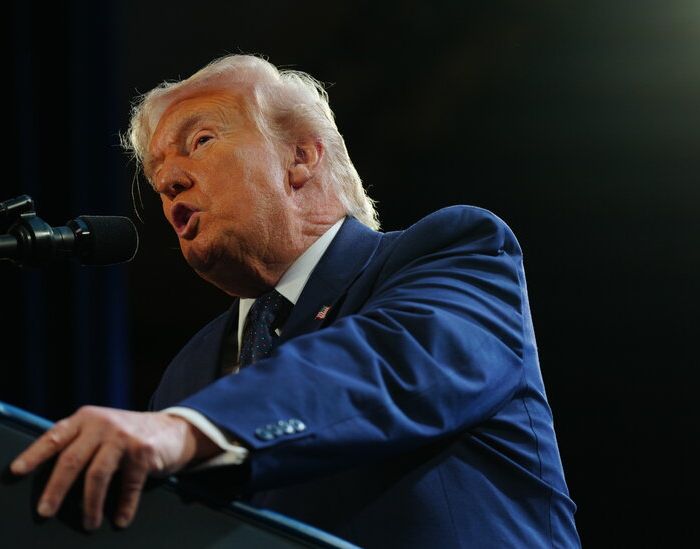
Iran’s Supreme National Security Council, the body that sits at the apex of the country’s security decision-making, declared that the strait will not open until the United States corrects its behavior.
The statement was issued by the council’s secretary, Mohammad Bagher Zolghadr, who also holds a command position in the Revolutionary Guard, and was published by Iran’s state broadcaster.
The conditions were expansive. The United States must never threaten Iran again. It must permanently end the war with Iran and its regional armed allies. It must lift the naval blockade of Iranian ports and withdraw its military from the area.
Beyond that, Washington must completely compensate Iran for war damage, lift sanctions, and unconditionally release frozen assets.
There was no immediate American response. The US position has been that an acceptable arrangement on the strait must come before the blockade ends.
How This Fits the Interim Deal
The demands do not align neatly with what was already agreed.
Under the interim deal signed in June, a schedule for ending sanctions and a plan for compensation were meant to form part of a final agreement, with frozen assets addressed through negotiation.
Tehran now appears to be presenting those items as preconditions rather than outcomes.
The 60-day period allotted for reaching a final deal expires in just over a week, though it could be extended.
A Separate Track With Oman
Alongside the American negotiations, Iran has been pursuing a parallel arrangement with Oman, which shares the strait.
Iranian Foreign Minister Abbas Araghchi said Saturday that the two sides were close to agreement on navigation, specifically on determining a transit route.
He was careful to add that actually reopening the waterway depends on other conditions, and he attributed the impasse to what he characterized as an American violation of the interim deal.
Oman, which has said comparatively little throughout, issued a measured statement describing discussions as ongoing in a positive and constructive atmosphere. It also condemned attacks on ships in the strait.
Before the war, the strait was treated as an international waterway. Transit volumes remain far below normal.
Another Vessel Hit
The Omani condemnation was pointed, because attacks have continued.
Emirati authorities said Saturday that a vessel owned by Abu Dhabi’s state oil and gas company ADNOC was attacked while transiting the strait. The Foreign Ministry stated that Iran fired the missile as part of a broader campaign against commercial shipping.
ADNOC reported no casualties in the early Saturday incident. The company said more than a dozen of its vessels have been struck by missiles and drones while transiting the strait since the United States and Israel launched the war on Iran in February.
Across those attacks, one crew member has been killed and 20 others wounded.
ADNOC did not specify the location of the latest strike or describe any damage.
Separately, the United Kingdom Maritime Trade Operations Center reported that a vessel east of Khasab, Oman, was hit by a projectile that started a fire. The blaze was extinguished, and both vessel and crew were reported safe. Whether this was the same incident remains unclear.
Yemen’s Civil War Stirs Again
Elsewhere in the region, Yemen’s military conducted attacks against Iran-backed Houthi rebels.
The strikes were framed as retaliation for recent Houthi operations in central and eastern Yemen.
Col. Majed al-Nazili, spokesperson for Yemen’s military, said the attacks targeted rebel sites and capabilities across multiple front lines, without providing further detail.
The exchange carries broader significance. Escalation between the Houthis and Yemen’s internationally recognized government, backed by a Saudi-supported coalition, threatens to unravel the truce that has largely held since 2022.
Turkey Advances Kurdish Peace Legislation
In a rare piece of de-escalatory news, a Turkish draft law intended to advance the peace process with Kurdish insurgents cleared its first parliamentary hurdle on Saturday.
A committee approved the measure, which is expected to reach the general assembly next week.
The legislation follows the Kurdistan Workers’ Party decision last year to disarm and disband as part of a peace initiative aimed at ending decades of conflict with the Turkish state.
The draft sets out procedures for disarmament and for the rehabilitation of some PKK members. Its provisions would take effect only after Turkey’s National Security Council confirms that the group has genuinely disbanded and surrendered all weapons.
That conflict has killed tens of thousands of people since it began in the 1980s. Turkey and its Western allies designate the PKK a terrorist organization.
The Week Ahead
The Hormuz clock is the dominant variable.
If the 60-day window closes without agreement, the parties will either extend it or confront a more dangerous phase. Continued attacks on commercial shipping make the current status quo costly for everyone, including states with no direct role in the conflict.
Oman’s mediation may prove the most productive channel, though a navigation route agreement does not by itself reopen a closed waterway.
For global energy markets, the practical question remains unchanged: when will traffic through the strait return to anything resembling normal levels. Nothing announced this weekend brought that answer closer.
Author
-
Lucienne Albrecht is Luxe Chronicle’s wealth and lifestyle editor, celebrated for her elegant perspective on finance, legacy, and global luxury culture. With a flair for blending sophistication with insight, she brings a distinctly feminine voice to the world of high society and wealth.