As grocery prices keep climbing across the country, the House moved Thursday to scale back a program that helps pregnant women and young children afford healthy food. The narrow vote sets up a clash over whether the nation’s premier nutrition program for mothers and infants is being responsibly trimmed or dangerously gutted.
A Close Vote With Crossover
By a razor-thin margin of 213 to 210, the House passed an appropriations measure funding the Agriculture Department and several other agencies. According to Republicans, the bill aims to trim roughly 1.5 percent from overall federal agriculture spending in fiscal 2027. The vote crossed party lines in both directions, with four Democrats joining Republicans in support and five Republicans breaking away to oppose it. The Senate has yet to take up the legislation.
What the Cuts Mean for Families
At the heart of the controversy is the Special Supplemental Nutrition Program for Women, Infants and Children, widely known as WIC. Under the bill, the program would lose $141 million in funding for fruit and vegetable benefits, affecting the nearly 5.4 million children and pregnant and postpartum women currently enrolled, according to an estimate from the Center on Budget and Policy Priorities.
The practical impact would land directly on monthly grocery budgets. The National WIC Association projected steep reductions in the fruit and vegetable benefit:
- For breastfeeding mothers, the monthly amount would drop from $52 to $13.
- For young children, it would fall from $26 to $10.
The Republican Defense
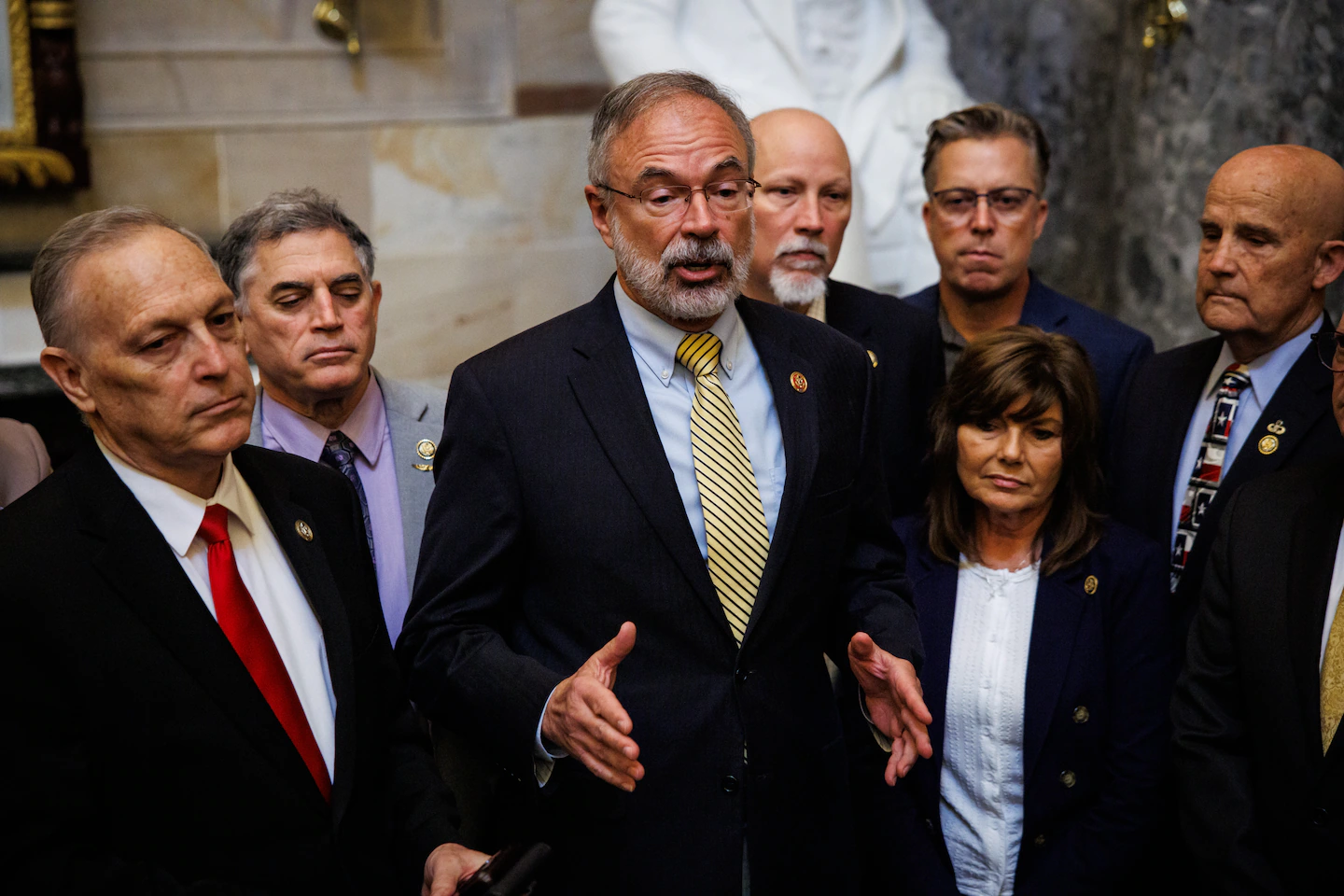
Representative Andy Harris of Maryland, who chairs the House Appropriations subcommittee on agriculture, defended the measure on the floor. He insisted that the $8 billion remaining in the program is enough to meet its needs, pointing to Agriculture Department data that he said clearly shows declining WIC participation during the current fiscal year.
Harris was emphatic, arguing that lower participation estimates combined with increased carryover funding mean the $8 billion will fully fund the program. He stated plainly that WIC is fully funded and that no woman or child would lose or be denied coverage. Fellow Republican Erin Houchin of Indiana echoed that position, calling it completely false to suggest anyone would be kicked off the program and framing the bill as funding WIC at the level necessary to meet demand.
Why Advocates Dispute the Numbers
Experts pushed back hard on the data underpinning that argument. Critics noted that the USDA figures Harris cited cover only the first quarter of the fiscal year, a stretch that included a fall government shutdown that depressed enrollment.
Zoë Neuberger, a fellow on nutrition assistance programs at the Center on Budget and Policy Priorities, explained that the shutdown sowed widespread confusion about which programs were open and what benefits were available, likely driving down early participation. She added that with food prices rising in the first half of the year, enrollment is actually expected to climb, since families struggling to afford groceries often turn to WIC for help.
That assessment aligns with longer-term trends. Alison Hard, director of policy at the National WIC Association, said participation has been rising steadily since fiscal 2022, crediting part of the growth to the USDA’s push to offer WIC services virtually through telehealth.
Neuberger called that virtual option a tremendously beneficial modernization, especially valuable for working parents and those in rural areas. But she warned that the House bill does not make those virtual services permanent, and if that funding lapses, some families may never enroll at all.
A Fight Over Priorities
For Democrats, the timing made the cuts especially indefensible. They argued that vulnerable Americans, particularly children, would lose access to fresh food precisely as costs rise, driven in part by President Trump’s tariffs and the conflict with Iran.
Representative Jim McGovern of Massachusetts was among the sharpest critics. He pointed out that Republicans had promised prices would fall on day one, yet a year and a half in, groceries, energy costs, and inflation are all up. He characterized the response to pregnant women facing steep grocery bills as cutting the very program meant to help them. Calling WIC one of the most effective pro-family programs the government offers, McGovern questioned why anyone would scale it back just as fruits and vegetables grow more expensive.
Unease Within Trump’s Own Camp
Notably, discomfort with the cuts has not been confined to Democrats. When the bill first surfaced in April, figures within the administration’s Make America Healthy Again wing objected to reducing WIC funding. Health and Human Services Secretary Robert F. Kennedy Jr. said during an April hearing before the House Ways and Means Committee that he was not happy with the cuts.
Even so, House Republicans held firm, maintaining ahead of passage that WIC would stay funded at appropriate levels. With the measure now headed to the Senate, the debate over how to weigh fiscal restraint against the nutritional needs of millions of mothers and children is far from settled, leaving the fate of those fruit and vegetable benefits in the balance.
Author