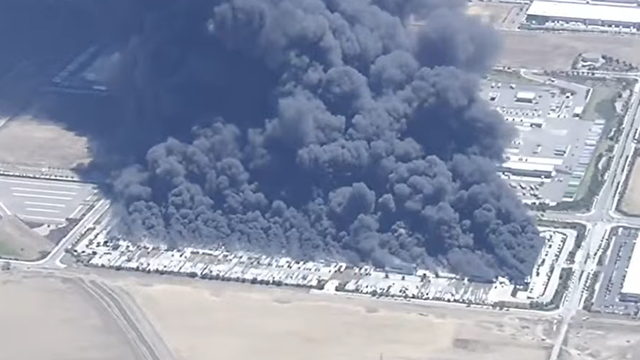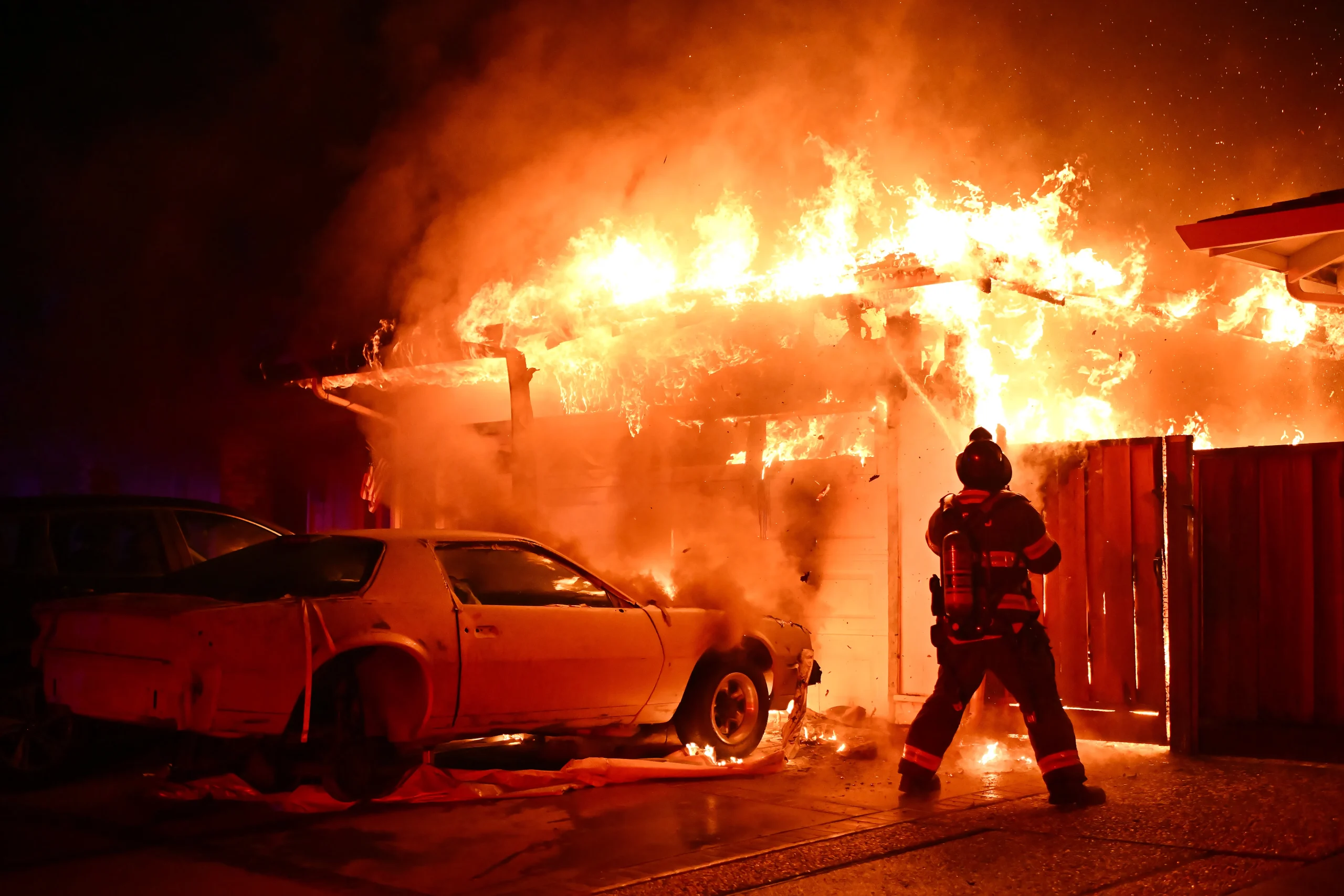
The Little Fire Pleasanton residents watched climb over the hills Tuesday afternoon went from a column of smoke to a 1,007-acre wildfire in a matter of hours, forcing evacuations across Alameda County and sending one firefighter to the hospital.
As of 10 p.m., CAL FIRE reported the blaze at 10 percent containment. Crews expected to work it through the night.
How It Started and Where It Spread
The fire ignited sometime before 3 p.m. near Little Valley Road and Hubbard Lane, in the hills south of Pleasanton. It grew fast.
Evacuation orders went out to the Ruby Hill neighborhood and to homes along Vineyard Avenue. Alameda County Fire Department and Livermore-Pleasanton Fire Department crews joined CAL FIRE on the response.
The cause remains under investigation. Witnesses noted that construction work had been underway on Little Valley Road, an area investigators appeared to be focused on.
A Fight on Steep, Difficult Ground
The terrain made everything harder. Fire officials pointed to two main obstacles: crews struggled to reach the head of the fire, and wind kept pushing it forward.
The response ramped up quickly through the afternoon:
- Air tankers dropping fire retardant along the fire’s edge
- Helicopters running water drops over the flames
- Dozers cutting line along steep ridges
- Hand crews hiking in on foot where machines couldn’t go
Justin Mclean, who lives nearby, described a scene that turned dramatic in stretches.
“The whole hillside was on fire and smoking like mad,” he said. He added that flames occasionally caught a tree and shot upward, spiraling twenty to thirty feet into the air in some spots.
One Firefighter Hurt
CAL FIRE confirmed a firefighter was injured during the response after an engine rolled over.
“Unfortunately we did have a CAL FIRE engine rollover, one firefighter injury, was transported to a local hospital and is in good spirits,” said Marcus Hernandez of CAL FIRE.
Further details on the firefighter’s condition were not released.
Residents Grabbed What They Could
For people living in the fire’s path, the afternoon flipped from routine to urgent with almost no warning.
Sue Fox saw it before she heard anything official.
“I saw the smoke coming down the hill. Quite a lot of billows of smoke coming toward our street and our house,” she said.
Dozens of residents evacuated as the fire expanded. Many gathered at the Pleasanton Senior Center, which was set up as an evacuation meeting point.
Julie Deane got a phone alert and moved immediately. She gathered a few belongings, then loaded her 84-year-old mother and an elderly neighbor into her car and drove out.
“I get scared later. I panic later. I get everything taken care of that I need to do no matter what it is, and then I look back at it and go ohhh wow,” she said.
Others described a calmer, if uneasy, wait.
“I’m not really nervous. I’m a little anxious,” said David Underwood.
The Mayor Showed Up
Pleasanton Mayor Jack Balch spent time outside the senior center with displaced residents, and he had a personal reason for being there.
“This is not something residents go through very often. It’s not something they’re very aware of. So given my personal home is right outside of that red evacuation zone, I can relate to what a lot of these residents are feeling,” he said.
That proximity is worth noting. The fire came close enough to the developed edge of Pleasanton that even city leadership was living on the boundary of the evacuation zone.
Defensible Space Did Its Job
Here’s the detail with the most practical value for anyone living near open hillside in California.
As of the latest update, no structures had burned. CAL FIRE credited the defensible space maintained around homes in the Ruby Hill neighborhood for keeping the fire off the houses.
“We had one little finger of the fire that might have got within 30 feet of the backyards, but there was great defensible space in that neighborhood which kept it for a majority, 200 feet away,” Hernandez said.
Thirty feet is close. That the fire stopped there rather than reaching the structures says a great deal about brush clearance and landscaping choices made long before Tuesday.
Some evacuating residents also left their sprinklers running as they left, a small measure that costs nothing and can help.
What Comes Next
CAL FIRE expected to work the fire overnight, with containment sitting in the single-digit-to-low-double-digit range and wind still a factor.
Residents under evacuation orders were waiting for word on when they could return. Until then, the mood at the shelter was one of patience over panic.
“We’ll do whatever it takes to make sure we’re safe,” Fox said.
The Broader Takeaway
A fire that reaches 1,007 acres in roughly seven hours is a reminder of how compressed the timeline can be in a Bay Area summer. Dry fuel, wind and rugged access can turn a manageable start into a major incident before crews get established.
Three things stand out from Tuesday.
Speed matters most in the first hour, both for firefighters getting resources in the air and for residents leaving when the alert arrives. Deane’s response, moving three people out on a phone notification, is the model.
Preparation done months earlier decides outcomes. The 200 feet of cleared space around Ruby Hill homes was not a decision made Tuesday afternoon, and it is the main reason no homes were lost.
And access shapes everything. When crews cannot reach the head of a fire, the aircraft carry the load, and the fight takes far longer.
For now, the Little Fire remains active, and residents south of Pleasanton are waiting on the next update.
Author
-
Lucienne Albrecht is Luxe Chronicle’s wealth and lifestyle editor, celebrated for her elegant perspective on finance, legacy, and global luxury culture. With a flair for blending sophistication with insight, she brings a distinctly feminine voice to the world of high society and wealth.