Ukraine War Luhansk Attack Sparks Putin’s Vow of Revenge on Day 1,550
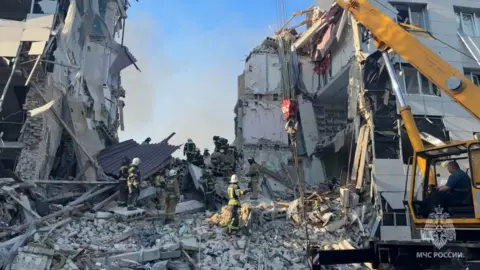
The Ukraine war Luhansk attack has once again pulled global attention to one of the most volatile fronts of the conflict, as Russian President Vladimir Putin publicly blamed Ukraine for a deadly drone strike on a student dormitory in the Russian-controlled region. Putin has now vowed retaliation, while Kyiv has firmly rejected the accusations, insisting that its operations targeted only legitimate military assets. As the war stretches into its 1,550th day, tensions across Europe continue to rise.
Putin Promises Retaliation After Luhansk Strike
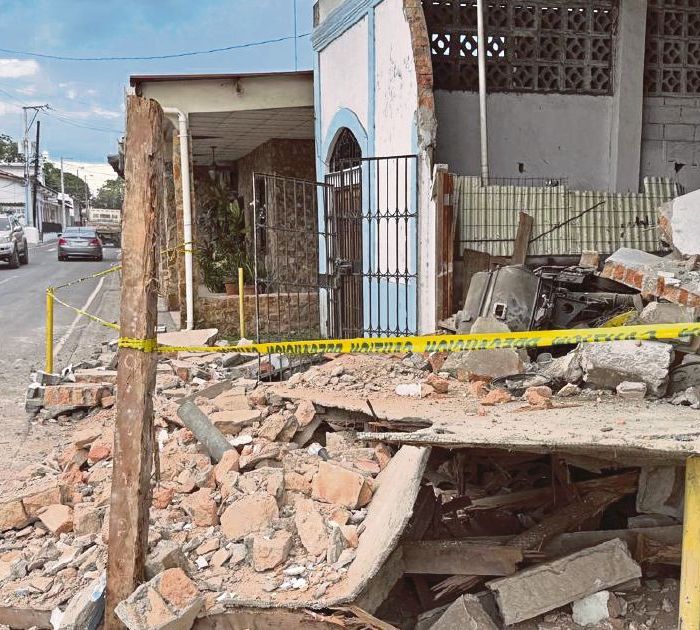
In a statement broadcast on Russian state television on Friday, Putin claimed that a Ukrainian drone attack hit a student dormitory in the town of Starobilsk, located in the Russian-controlled Luhansk region. According to him, the strike killed six people and injured dozens more, with another 15 still listed as unaccounted for.
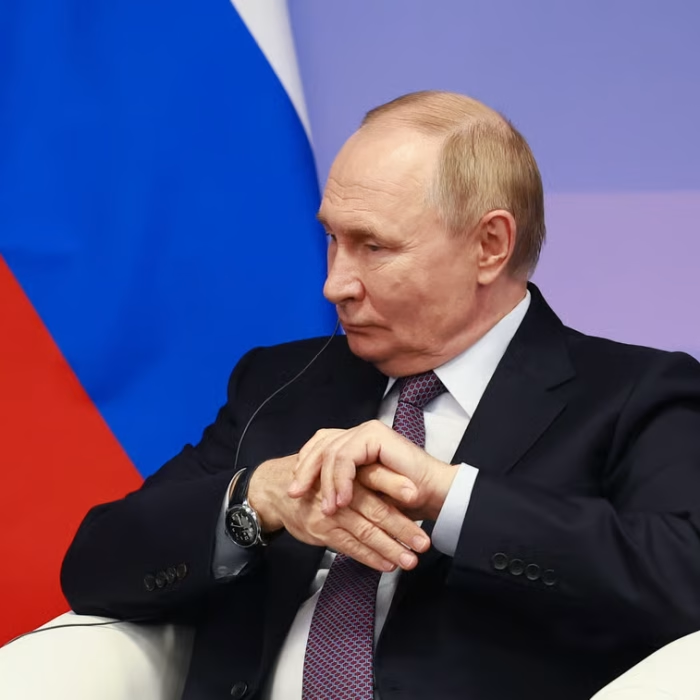
The Russian leader said he had instructed his military to prepare options for a strong retaliatory response. He also insisted that the Ukrainian military “must have known” what it was targeting, framing the incident as a direct attack on civilians.
Kyiv Pushes Back on Russian Claims
Ukraine quickly rejected Russia’s version of events. At an emergency United Nations Security Council meeting requested by Russia, Ukraine’s UN ambassador Andrii Melnyk dismissed Moscow’s accusations as a “pure propaganda show.”
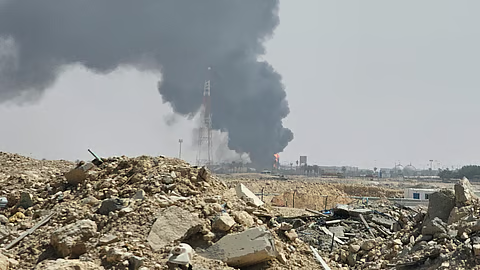
He stated firmly that the operations carried out on Friday “exclusively targeted the Russian war machine.” According to Melnyk, Ukrainian strikes had focused on neutralizing an oil refinery that was supplying Russian occupation forces, along with ammunition depots, air defense systems, and command centers. The Ukrainian military also confirmed that it had struck an elite Russian drone command unit operating in the region.
This stark contrast between the two narratives reflects the broader information war that has accompanied the military conflict from its earliest days.
Czech President Calls on NATO to “Show Its Teeth”
In an interview with The Guardian in Prague, Czech President Petr Pavel sent a strong message to NATO, urging the alliance to respond more firmly to Russia’s repeated provocations along the eastern flank. He warned that without a strong reaction, Moscow may continue to test NATO’s resolve, eventually escalating its behavior.
Pavel suggested a range of bold responses, including shutting down Russia’s internet access, removing its banks from the global financial system, and even shooting down Russian aircraft that violate allied airspace. He emphasized that NATO must adopt “decisive enough, potentially even asymmetric” measures to deter further aggression.
Fire at a Nuclear-Related Substation Raises Concerns
In another alarming development, the International Atomic Energy Agency (IAEA) confirmed that a fire had broken out at the Dniprovska 750-kilovolt electrical substation due to military activity. The fire caused a nuclear power station to be partially disconnected from off-site power, raising serious safety concerns.
Firefighters quickly responded to the scene, but the partial disconnection of the operating nuclear plant from its off-site power supply once again highlighted the persistent risk of a major nuclear-related incident in Ukraine. The disconnection was made at the request of the grid operator as part of safety protocols.
Drone Attacks Strike Russian Oil Facilities
While the focus shifted between accusations and diplomatic statements, the battlefield itself remained active. Early Saturday morning, falling debris from drones triggered a fire at an oil terminal in Russia’s Black Sea port of Novorossiysk. Two people were injured, and several technical and administrative buildings sustained damage. The injured men, who were reportedly on the street during the attack, were rushed to a hospital for treatment.
Ukraine has also been intensifying its strikes on Russian oil infrastructure. On Friday, Ukrainian forces hit an oil refinery in Yaroslavl, located approximately 700 kilometers from the border. According to a post by the Ukrainian Defense Ministry on X, Ukraine had successfully targeted 11 Russian oil facilities this month alone as of May 21. Among them was Kirishi, one of Russia’s largest refineries.
These coordinated strikes reflect Ukraine’s growing efforts to disrupt Russia’s energy production and fuel supply lines, which directly support its ongoing military operations.
Public Protest in Kyiv Over Missing Soldiers Bill
Inside Ukraine, public concern over the fate of missing soldiers reached a boiling point on Friday. Hundreds of citizens marched through the streets of Kyiv demanding that the government veto Bill No. 13646. Protesters argue that the proposed legislation could lead to premature declarations of death for missing soldiers, which would severely impact families still hoping for news of their loved ones.
This issue has become deeply emotional in Ukraine, where more than 90,000 people are currently listed as missing in the official registry. The protest highlights the immense personal toll the war continues to take on Ukrainian families.
U.S. Troop Levels in Europe Set to Decrease
Adding more uncertainty to the situation, U.S. Secretary of State Marco Rubio confirmed that the number of American troops stationed in Europe is expected to drop from its current level of 80,000. Speaking from Helsingborg, Sweden during a NATO foreign ministers meeting, Rubio explained that the U.S. has wider international obligations to manage, including responsibilities in the Indo-Pacific, the Middle East, and the Western Hemisphere.
This shift comes after the Pentagon recently halted plans to rotate an additional 4,000 American troops into Poland. The decision was reversed shortly afterward by President Donald Trump in a sudden social media post that appeared to catch military officials off guard.
These developments are likely to fuel concerns among European leaders, who are already worried about the long-term reliability of U.S. military support.
U.S. Senators Push Back on Aid Delays
A bipartisan group of U.S. senators is now pressing the Department of Defense to release nearly $600 million in security assistance to Ukraine and several other Eastern European allies. The senators sent a formal letter to U.S. Defense Secretary Pete Hegseth demanding that the funds be released quickly.
Tensions between Congress and the Trump administration have been steadily growing as lawmakers continue to seek clarity on the status of $400 million in aid earmarked for Ukraine and an additional $200 million allocated for defense programs in Estonia, Latvia, and Lithuania. These funds were approved by Congress last year but have yet to be fully distributed.
A War That Refuses to Slow Down
Day 1,550 of the war demonstrates just how complex and unpredictable the conflict has become. From mutual accusations between Putin and Ukrainian leaders to dramatic strikes on energy infrastructure and ongoing protests at home, the war continues to evolve in multiple directions at once.
Diplomatic pressure is increasing across NATO, energy facilities remain prime targets, and concerns about nuclear safety continue to grow. Meanwhile, Ukraine’s families wait for answers, and global powers attempt to balance their strategic priorities.
Looking Ahead
The Ukraine war Luhansk attack and the political fallout surrounding it serve as a powerful reminder of how deeply entrenched and dangerous the conflict has become. With both sides hardening their positions and outside powers offering only partial support, the future remains deeply uncertain.
Whether the coming weeks bring renewed diplomacy, escalated strikes, or shifts in international involvement, the war shows no signs of ending anytime soon. As Putin promises revenge and Kyiv defends its actions, the world watches yet another tense and tragic chapter unfold in one of the most consequential conflicts of modern times.
Author