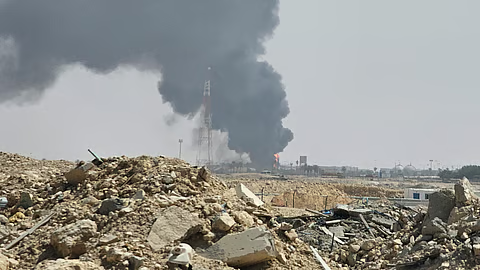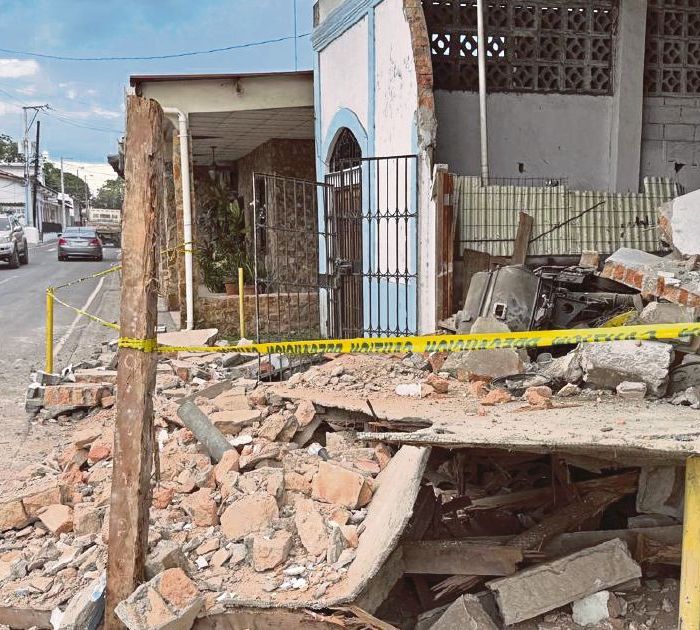
Nepal flood rescue teams intensified operations on Monday in a difficult push to reach hundreds of workers believed trapped inside blocked hydropower tunnels, days after a catastrophic Himalayan flood tore through valley communities in Nepal and across the border into China.
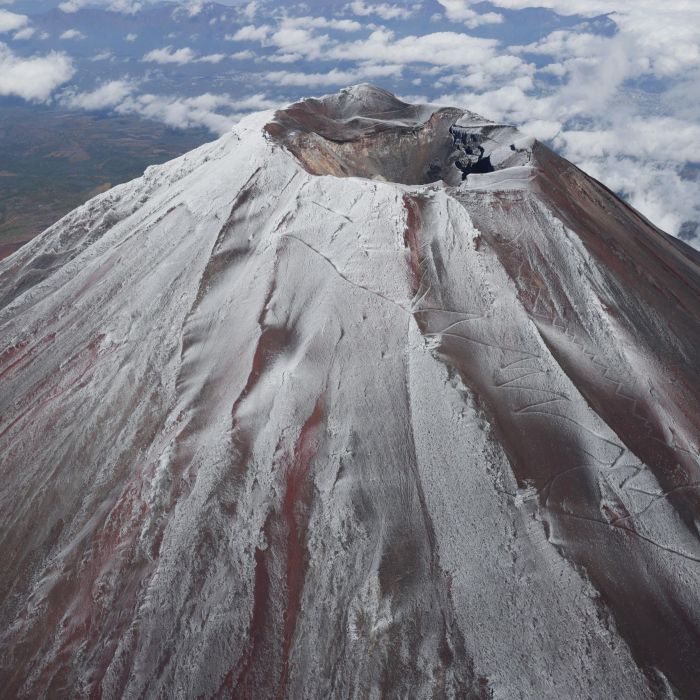
The disaster, which struck Wednesday along the Nepal-Tibet frontier, sent a massive surge of ice, rock, mud and debris down the mountains. Experts have attributed it to a glacier collapse.
The Scale of the Loss
The numbers released Monday are grim.
- 903 confirmed dead in Nepal
- 4,247 people missing, including 933 at hydropower sites
- 16 killed and 546 missing in China’s Gyirong County
- More than 90,000 people likely affected, according to Red Cross estimates
Hundreds of bodies, many still unidentified, have been placed in shallow graves. Humid conditions in the lowland plains, where the torrent carried victims from the mountains, forced authorities to act before decomposition made identification impossible. Families searching for relatives now face the added anguish of graves without names.
Inside the Tunnels
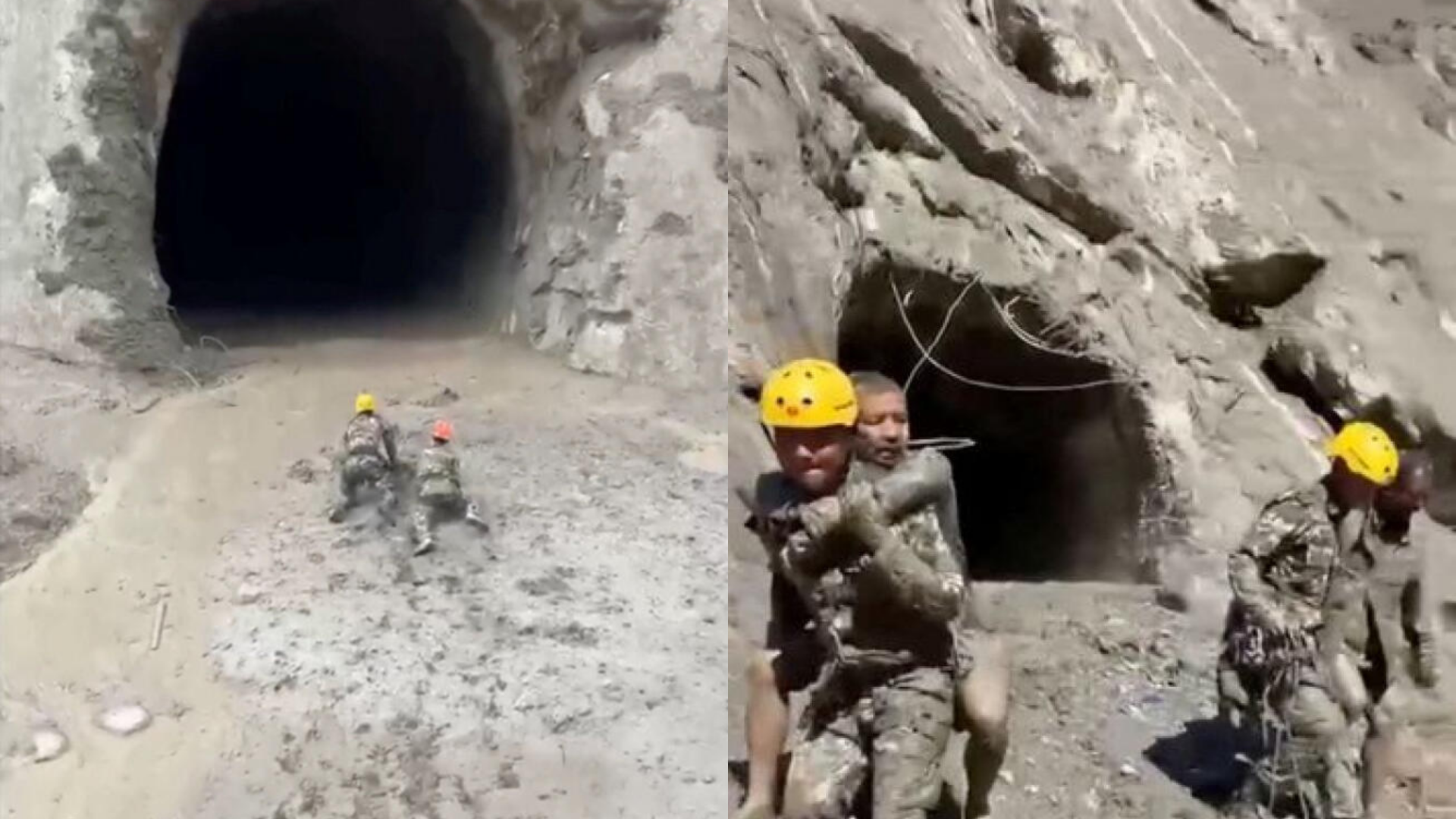
The core of the rescue effort is concentrated on 933 workers thought to be trapped across 11 hydropower projects in the badly hit districts of Rasuwa and Nuwakot. Many are believed to be inside tunnels.
Images and video released by rescue teams show excavators working through the night under floodlights, clearing mud and rock while colleagues look on. Soldiers have been seen using handheld torches inside a large pit dug in an attempt to find an opening into one tunnel.
The Nepali army said crews are using controlled blasts, heavy machinery and search lights to remove water and sediment. Teams have recovered three bodies after gaining entry to two tunnels. Other sections remain buried and are still being worked through.
Army spokesperson Raja Ram Basnet described the obstacle plainly, saying the volume of deposited debris is presenting a major challenge and that opening the tunnels remains the central priority.
The Government Response
Prime Minister Balendra Shah called the flood an unprecedented and devastating natural disaster, adding that assembling a full damage assessment remains difficult.
In a Facebook post late Sunday, he said the country is pressing forward despite poor weather, hostile terrain and continuing danger, in an effort to save lives. He confirmed that nearly 21,000 security personnel are engaged in the operation alongside civilian workers and volunteers.
Foreign Assistance, Selectively Accepted
Nepal has declined general international help with search and rescue, saying it has sufficient capacity. It has made an exception for tunnel rescue expertise, drawing on specialists from both India and China.
That distinction reflects the specific technical difficulty involved. Extracting people from a collapsed tunnel requires different skills and equipment than surface search operations.
China’s Effort and Its Own Losses
Beijing has mounted a substantial response on its side of the border.
State broadcaster CCTV reported more than 2,100 rescue workers deployed and at least 220 million yuan, roughly 33 million dollars, allocated for relief. Equipment and supplies are being airdropped to frontline teams, and soldiers are using life-detection gear to locate survivors.
China has also said 261 foreign nationals from 23 countries remain unaccounted for in Tibet, near a major border crossing with Nepal.
President Xi Jinping, speaking during a visit to Kyrgyzstan, said Beijing is making every effort to search for the missing, according to Xinhua.
The Danger Is Not Over
Rescue work has been halted repeatedly since Friday, both because of weather and because of secondary hazards created by the flood itself.
A lake formed across the Nepal-China border by the disaster began overflowing into Nepali rivers, raising fears of renewed flooding. CCTV reported that a separate lake created upstream by a landslide has largely drained naturally.
Attention has now turned to an impact crater near the glacier collapse site on the Nepali side. By Saturday evening it had grown to 174,000 square metres and holds an estimated 2.5 million cubic metres of water. Authorities warned that a breach could set off a chain reaction affecting lakes further downstream.
Investigators have identified eight locations at high risk of further geological failure. Additional landslides along the river could form new lakes, compounding the threat.
The Climate Question
CCTV described the flood as the result of glacier instability driven by long-term global warming, calling it a new and prominent feature of cryosphere disasters on the Tibetan plateau.
That framing matters beyond this event. Warming temperatures destabilise ice masses and expand glacial lakes across the Himalaya, and the population living downstream of them numbers in the millions.
A Dispute Over Data Sharing
An uncomfortable question has surfaced alongside the rescue effort.
Two Nepali officials told Reuters that China had shared limited information on glacier risks and water levels following a meeting earlier this year intended to strengthen cooperation. They expressed concern that inadequate data exchange could weaken preparedness for future events.
China’s foreign ministry responded Monday, saying Beijing has consistently supplied Nepal with meteorological and hydrological data and will continue to strongly support relief efforts while protecting shared interests between the two countries.
Whether early warning would have changed the outcome is impossible to determine. What the dispute does highlight is that hazards forming on one side of a border can arrive on the other within minutes, and that monitoring systems only work if the information moves as fast as the water.
For now, the effort remains focused on the tunnels, where excavators continue clearing debris and families wait for word.
Author