Russia Additional Mobilization Underway, Zelensky Warns as North Korea Prepares 10,000 More Troops
Russia additional mobilization has quietly begun, according to Ukrainian President Volodymyr Zelensky. In his latest evening address, the Ukrainian leader warned that Moscow is expanding its recruitment efforts and drawing even more heavily on outside help, including thousands of fresh troops from North Korea.
His remarks paint a worrying picture of a war that shows no sign of slowing down, and of an alliance between Russia and North Korea that appears to be growing deeper by the month.
Intelligence Points to a Quiet Build-Up
Zelensky said he had been briefed by Ukraine’s Defence Intelligence on Russia’s plans for the coming period. Based on that report, he concluded that Russia has, in practice, already launched another round of mobilisation.
Rather than announcing a formal nationwide call-up, Moscow is reportedly boosting the number of people it recruits through a range of different channels. This approach allows the Kremlin to grow its forces without the political risks that come with an openly declared mobilisation.
According to Zelensky, Russia’s plans include:
- Increasing overall recruitment through multiple methods
- Expanding efforts to recruit foreign nationals
- Relying further on military support from North Korea
North Korea Steps Up Its Role
One of the most striking parts of Zelensky’s address concerned North Korea. He shared new information suggesting Pyongyang’s involvement in the war is set to grow significantly.
Thousands Already in Russia
According to the Ukrainian president, more than 8,000 North Korean soldiers are currently stationed on Russian territory. North Korea’s military involvement in the conflict first came to light in 2024, and it has remained a major concern for Ukraine and its Western partners ever since.
Another 10,000 on the Way
Zelensky said preparations are now underway to send a further 10,000 North Korean troops. These soldiers are reportedly being selected for training before being deployed to Russia.
If that deployment goes ahead, the number of North Korean personnel supporting Russia’s war effort would more than double, adding a substantial new source of manpower for Moscow.
What Russia Is Giving in Return
The partnership is not one-sided. Zelensky said Russia is compensating North Korea for its help, including by sharing technology.
One of the most concerning results of this exchange is the production of Shahed-type attack drones in North Korea. According to Zelensky, Pyongyang has been able to set up manufacturing of these drones with Russian technical assistance.
Shahed drones, originally Iranian in design, have become one of Russia’s main weapons in its long-range strikes on Ukrainian cities and infrastructure. The prospect of North Korea producing them adds another supply line that could help Russia sustain its bombardment campaign for longer.
A Threat That Crosses Borders
Zelensky framed the growing cooperation between Moscow and Pyongyang as a danger that reaches well beyond Ukraine. He argued that evil spreads step by step, and that a threat to human life in one region can quickly extend to others.
In his view, the only way to stop this is through collective action. He noted that many voices around the world had spoken out against Russian terror and against Russia’s partnerships with those willing to help it cause further bloodshed. Such cooperation, he said, must be actively resisted.
He used the address to call on Ukraine’s international partners to tighten sanctions on Russia, arguing that stronger economic pressure is essential to limit Moscow’s ability to wage war.
Putin Signs Decree to Expand the Army
Zelensky’s warning came shortly after Russian President Vladimir Putin took formal steps to enlarge his military.
On September 28, Putin signed a decree raising the number of personnel in the Russian Armed Forces by 15,500. The decree was published on Russia’s official legal information portal and took effect on Monday.
The New Numbers
Under the latest decree:
- The total authorised strength of the Russian Armed Forces is now 2,441,630 personnel
- Of that total, 1,550,500 are military personnel
Before the previous adjustment in July, the figures stood at:
- 2,426,130 personnel in total
- 1,535,000 military personnel
A Steady Pattern of Growth
This latest expansion is reportedly the fourth increase to the size of Russia’s military this year alone. It is also the seventh time the armed forces have been enlarged since Russia launched its full-scale invasion of Ukraine in 2022.
The frequency of these increases suggests that Moscow is preparing for a long conflict and wants to ensure it has the manpower to sustain operations well into the future.
Why This Matters for Ukraine
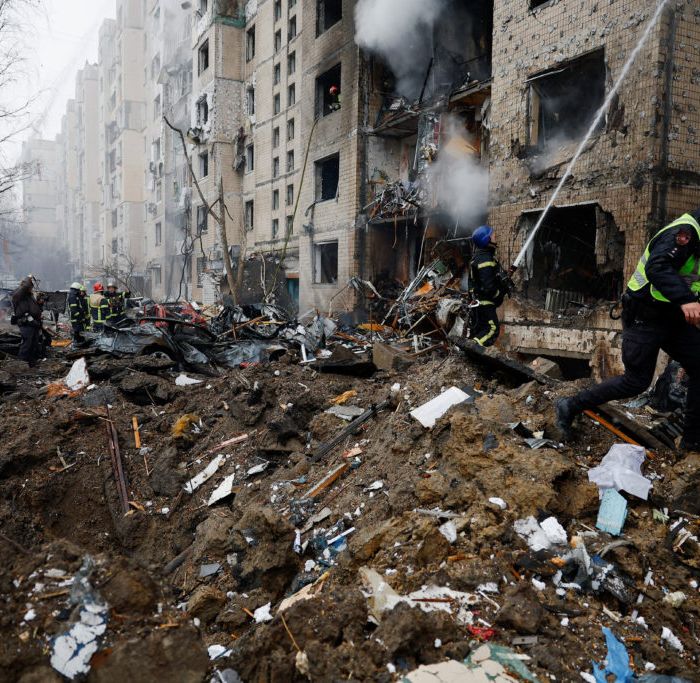
For Ukraine, the combination of expanded Russian recruitment, foreign fighters and a bigger authorised army adds up to serious pressure on the battlefield. More troops give Russia greater ability to rotate forces, replace losses and maintain offensive operations across a long front line.
At the same time, North Korea’s growing role introduces new complications. Beyond soldiers, the transfer of drone production capabilities could increase the volume of attacks on Ukrainian towns and cities, placing further strain on already stretched air defences.
The Push for International Action
Zelensky’s message was ultimately a call to Ukraine’s allies. By highlighting Russia’s expanding military and its deepening ties with North Korea, he aimed to show that the threat is growing rather than fading.
His appeal for stronger sanctions reflects Kyiv’s belief that economic pressure remains one of the most effective tools for weakening Russia’s war machine. Whether partners respond with tougher measures may play a key role in shaping how the conflict unfolds in the months ahead.
For now, the signals from Moscow and Pyongyang suggest both are preparing for a longer fight, and Ukraine is urging the world not to look away.
Author