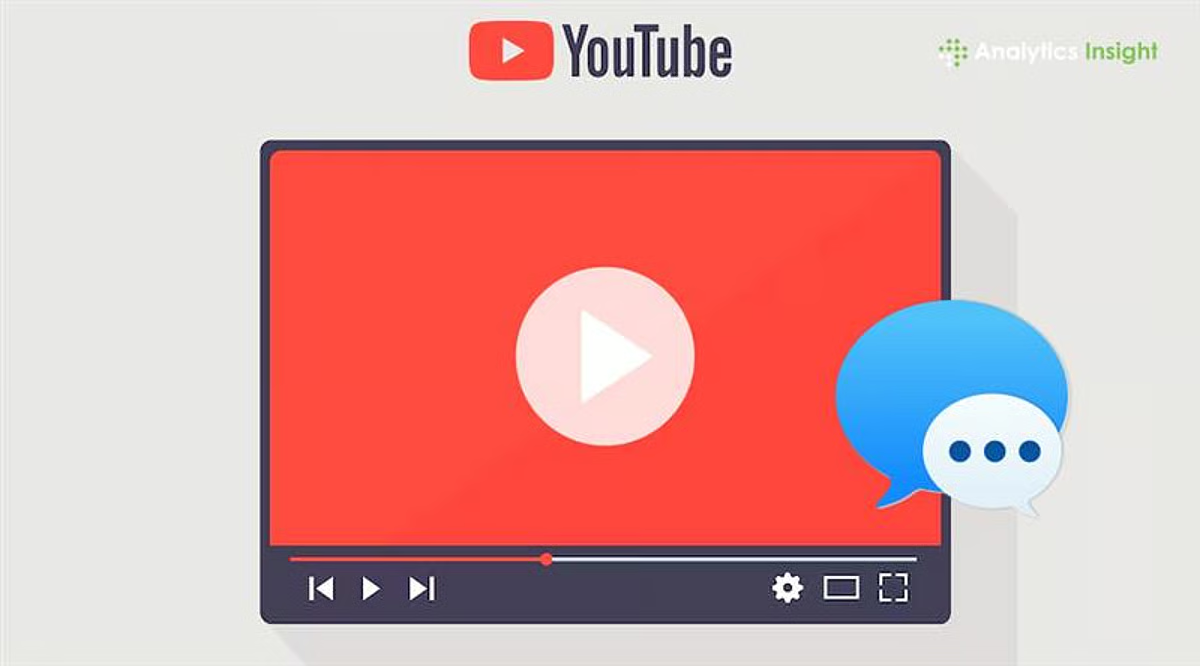
The return of YouTube direct messages is officially here, as the video giant reintroduces private messaging after testing fresh ways for users to share clips and discuss them last year. It’s a feature with a complicated history at YouTube, and this time the company appears determined to get it right.
Rolling Out to Adult Users
In a post on its official blog, YouTube announced that it’s beginning to expand its in-app video sharing and messaging feature to users in the US and other global regions. For now, access is limited to those who are 18 or older, signaling a more cautious, age-conscious approach than in years past.
The rollout represents YouTube’s latest attempt to fold private conversations directly into the app where people already spend their time watching.
A Feature That’s Been Here Before
This isn’t YouTube’s first dance with direct messaging. The platform originally introduced private messaging back in 2017, only to discontinue it just two years later in order to focus on public conversations.
Those public-facing efforts didn’t fare much better. YouTube leaned into an Instagram-style Stories feature, which it ultimately shut down in 2023. The pattern of launching, abandoning, and revisiting social features helps explain the slightly weary “again” that hangs over this latest announcement.
When YouTube began testing its newest in-app messaging capabilities in November 2025, the company described private messaging as a “top feature request,” suggesting genuine demand from its community despite the rocky track record.
What’s Different This Time
The new system comes with notable safeguards that set it apart from earlier versions. Most significantly, users must verify their age before gaining access to the feature, reinforcing the 18-and-older restriction.
The way conversations begin has also changed. Rather than allowing open messaging between strangers, the feature requires users to send an invitation link through third-party messaging platforms before a chat can start. To use it, a person taps the “Messages” icon in the top right corner of the YouTube app, which generates an invitation link to share.
This design appears intentional. By routing invitations through outside platforms and requiring deliberate links, YouTube seems focused on keeping conversations between people who already know one another, rather than encouraging interactions among random users. It’s a meaningful shift away from the more open social experiments of the past.
Sharing Where You Watch
YouTube framed the update around a simple idea: making it easier to share videos in the moment. The company said its community loves sharing videos with friends and family and wants them to be able to do so all in one place.
Whether it’s a new music video, a helpful tutorial, or a funny Short, the update gives users a new way to share content right where they’re watching it. The pitch leans into convenience, positioning messaging as a natural extension of the viewing experience rather than a standalone social network.
Safety and What’s Ahead
YouTube was clear that its rules will govern the new feature. The company said its community guidelines will apply to all content shared and messages exchanged through the tool, an important assurance given the privacy and safety considerations that come with direct messaging.
Looking forward, YouTube indicated this is just the beginning, noting that it plans to expand the feature even further soon. That suggests the current adult-only, invitation-based rollout may be a deliberate first step, with broader availability potentially following once the company is confident in how the system performs.
A More Measured Comeback
YouTube’s history with social features has been marked by bold launches and quiet retreats. What makes this return of direct messages notable is how carefully it’s been structured, with age verification, invitation links, and a clear emphasis on connecting existing friends rather than strangers.
Whether this version finally sticks remains to be seen. But by learning from past missteps and building in guardrails from the start, YouTube appears to be giving private messaging its most thoughtful attempt yet. For users who have long wanted to share and discuss videos without leaving the app, it’s a welcome, if familiar, addition.
Author