Trump Floats Tariffs and Damages Over Canadian Wildfire Smoke Drifting Into US
The Trump Canada wildfire smoke dispute took an unusual turn on Sunday when the US president said he had raised the issue directly with Canadian Prime Minister Mark Carney — and suggested Canada might owe the United States money for it.
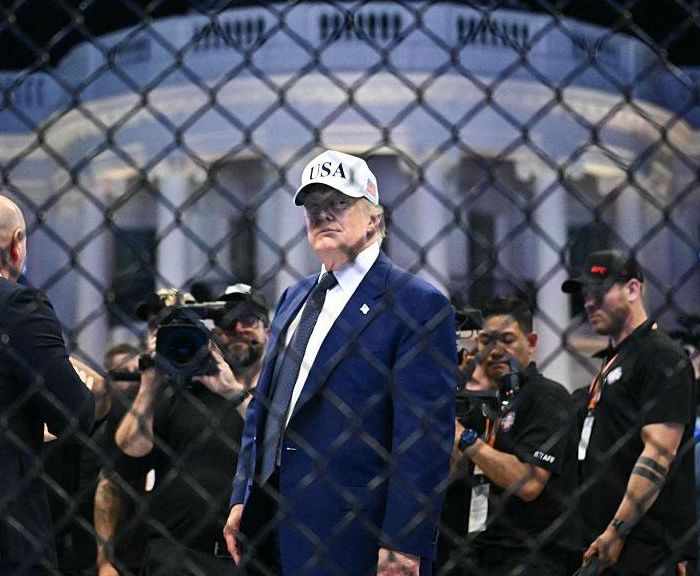
Speaking to reporters after returning from the FIFA World Cup final in New Jersey, where both leaders were in attendance, Trump said he maintained a good relationship with Carney but insisted the fires had to be stopped.
He then went further, floating two possible responses: that Canada might pay damages, or that the US might impose tariffs.
The remarks followed a threat a day earlier to levy additional duties on Canadian goods as punishment over the smoke.
What Prompted It
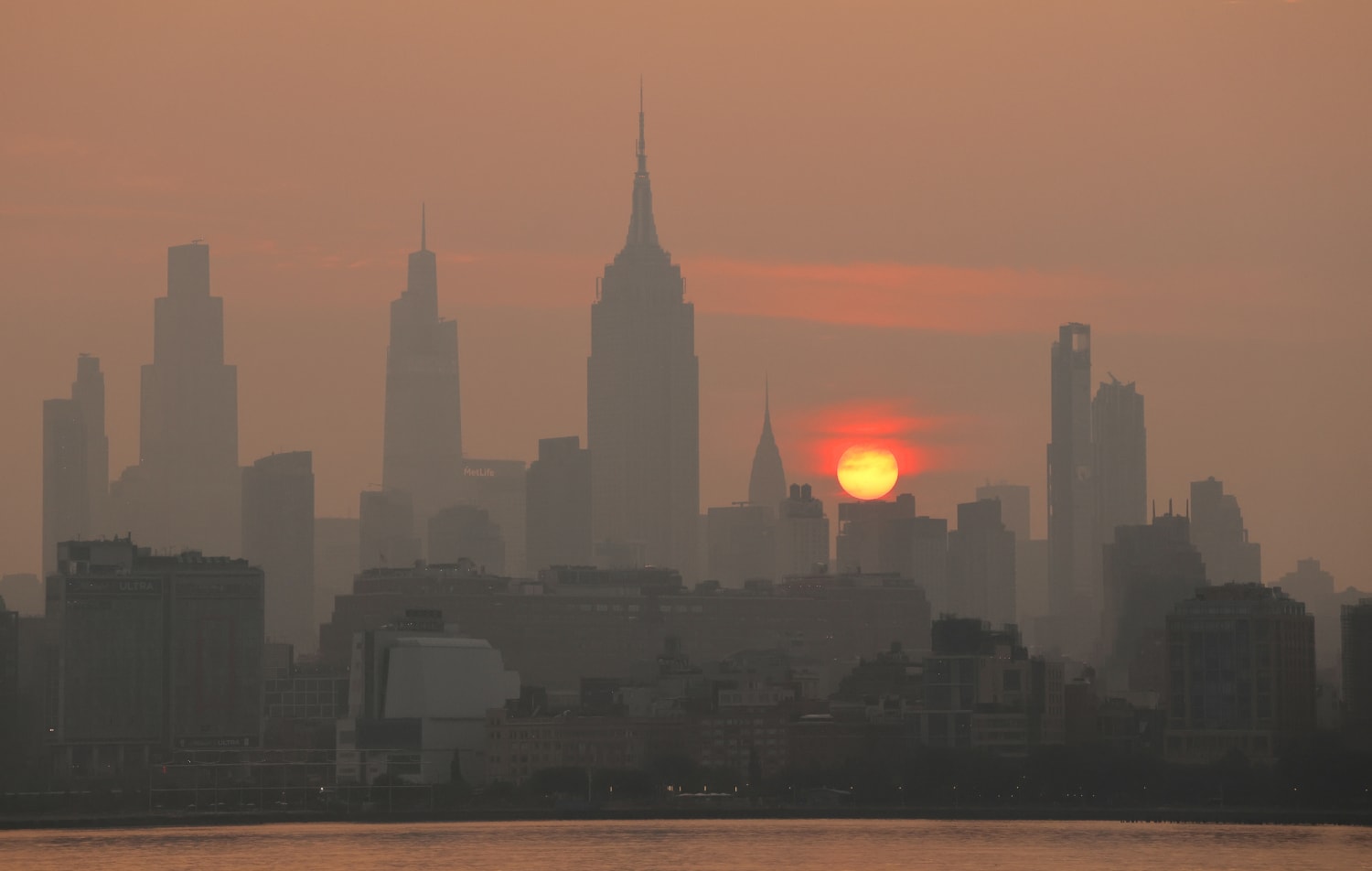
Since Thursday, heavy smoke from hundreds of fires burning in Ontario has spread across a wide corridor of the United States, reaching from the Midwest through the Northeast and into the Mid-Atlantic.
Air quality deteriorated sharply enough that officials issued repeated advisories urging residents to remain indoors where possible. For millions of people, that meant several consecutive days of hazy skies, cancelled outdoor activities and warnings aimed particularly at children, older adults and anyone with respiratory conditions.
It is a genuine public health problem. The disagreement is over what, if anything, can be done about it diplomatically.
Canada’s Position
Carney’s office had not responded to requests for comment on Trump’s latest remarks.
But in a post on X on Saturday, the prime minister outlined what Canada has committed to the response. He said more than 5,300 firefighting personnel had been deployed, and that authorities were using data analysis and advanced thermal imaging to support real-time fire detection and mitigation.
The scale of the season helps explain the difficulty. Roughly 5.9 million acres — about 2.4 million hectares — have burned across Canada so far this year, according to government figures.
Can a Country Actually Control Wildfires?
This is where the political demand collides with physical reality.
Wildfire suppression at that scale isn’t a matter of effort or willingness. Fires burning across remote boreal forest, often in terrain with no road access, are frequently beyond the reach of ground crews entirely. Aerial suppression helps, but aircraft can only operate in certain conditions and cannot extinguish a large fire complex.
Fire agencies in both countries routinely make triage decisions: protect communities and infrastructure first, and allow remote fires to burn when there’s no realistic alternative. That isn’t negligence. It’s the standard practice everywhere large wildfires occur, including across the western United States, where millions of acres burn annually and smoke regularly drifts into Canada.
The suggestion that Canada could simply stop the fires if it tried harder doesn’t align with how these events behave.
The Tariff Question
Whether tariffs make sense as a response is a separate matter.
Trade measures typically target commercial practices — subsidies, dumping, market access. Using them to penalize a neighbouring country for smoke from natural disasters would be an unusual application, and it’s unclear what mechanism would support it.
The practical effect would also fall on the wrong people. Tariffs raise costs for American importers and consumers of Canadian goods. They would not reduce the number of fires burning in Ontario or improve air quality in Chicago or Philadelphia.
There’s also the matter of precedent. Cross-border pollution flows in both directions across the world’s longest undefended border. Establishing that smoke drift justifies trade penalties would open a door that’s difficult to close.
The Underlying Trend
Climate scientists point to rising global temperatures as a driver behind wildfires that are growing more frequent and more intense worldwide.
The mechanism is straightforward enough: warmer conditions extend fire seasons, dry out vegetation, and produce the hot, low-humidity conditions in which fires spread rapidly. Canada’s boreal forest has been among the regions showing the most pronounced changes.
That framing shifts the question considerably. If the fires are being amplified by a warming climate, then demanding that Canada suppress them faster addresses the symptom rather than the cause — and no volume of firefighting personnel resolves the underlying trend.
Two Leaders, One Stadium
There’s a small oddity in how this played out. The conversation reportedly happened at a World Cup final, between two heads of government who had travelled to watch a football match.
Trump described the relationship with Carney as good even while suggesting his country might be owed compensation. That combination — cordial tone, adversarial substance — has characterized much of the US-Canada dynamic in recent years.
Canada remains one of America’s largest trading partners, with deeply integrated supply chains in energy, automotive manufacturing and agriculture. Both governments have reason to avoid escalation, whatever the rhetoric.
What to Watch
Several things will indicate whether this becomes policy or stays rhetoric:
- Whether any formal tariff proposal materializes or the comments remain informal
- How Ottawa responds publicly in the coming days
- Whether the smoke conditions persist or wind patterns shift and lower the political temperature
- Whether US governors in affected states weigh in, and in which direction
For now, the fires continue burning, the smoke continues moving with the wind, and neither responds to trade policy.
Author