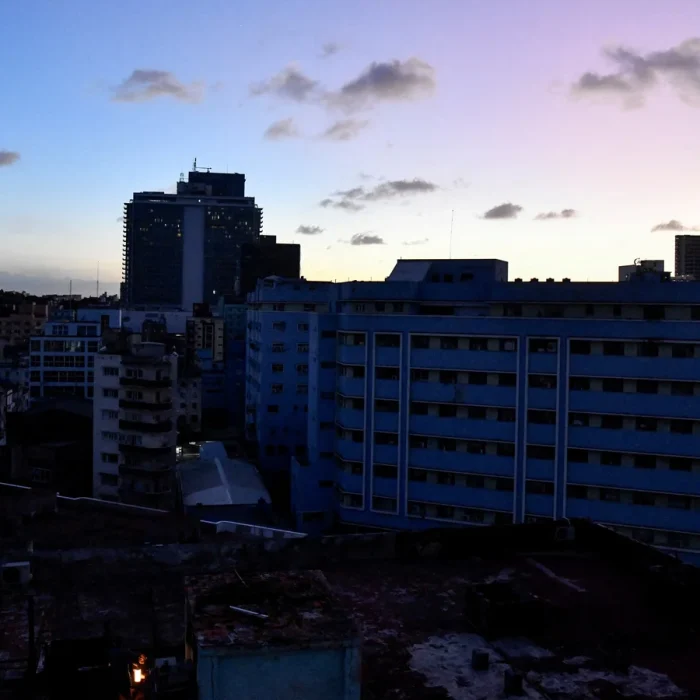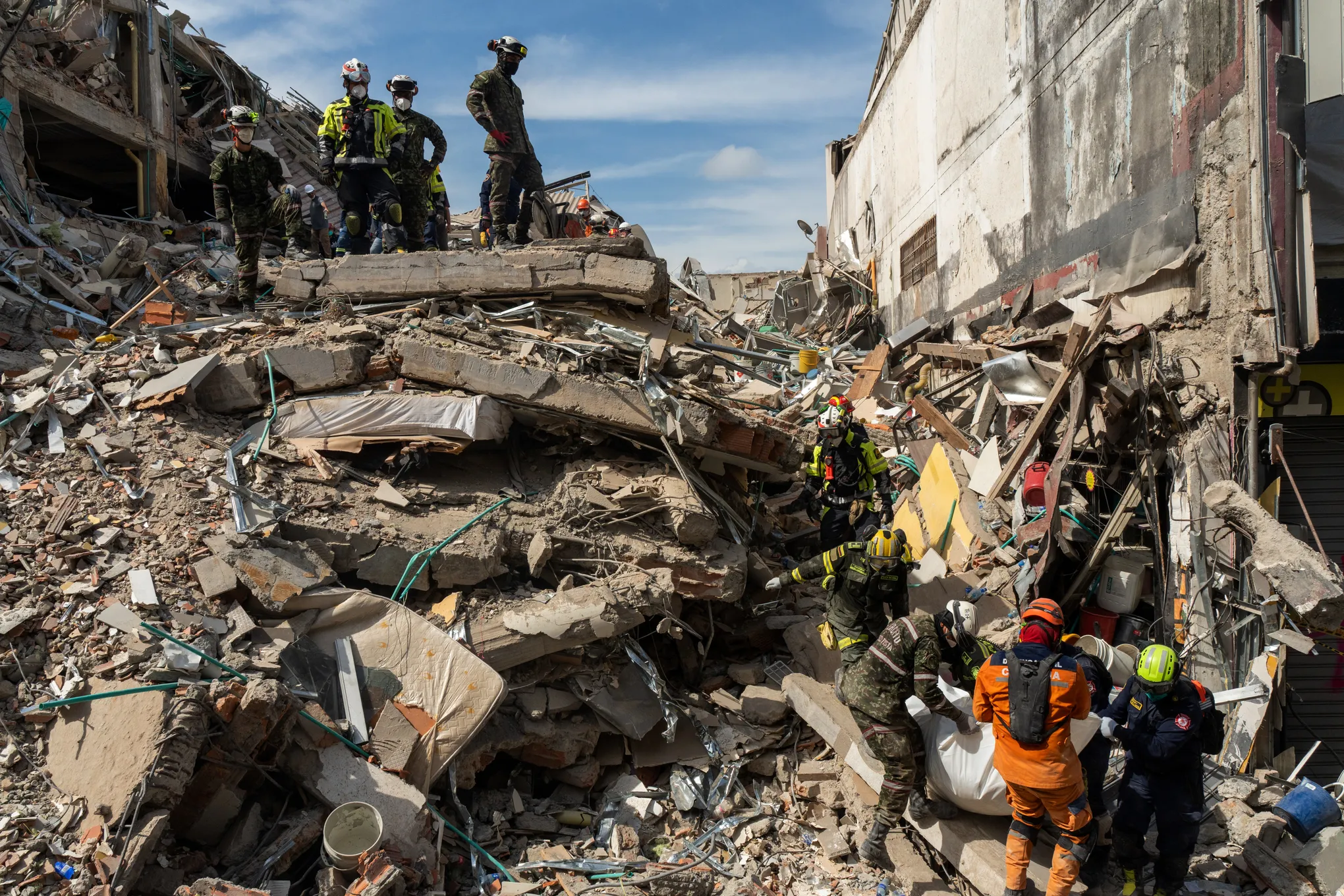
The Buenaventura earthquake has left a port city of 432,000 people picking through rubble with little sense that anyone is coming to help. Residents across the Colombian Pacific city describe an official response that arrived briefly, if at all, and then evaporated — a pattern they say long predates this disaster.
A Home Sheared Open
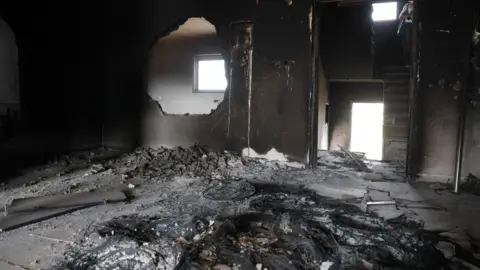
Lorena Hipis sits in what remains of her living room, midday sun falling directly onto her through a hole where the roof used to be. One side of her house has been shaved away entirely.
The damage came from next door. A five-storey building collapsed during Monday’s magnitude 7.4 quake, taking out half her home and flattening her mother’s house nearby. Four people inside the building died.
In her daughter’s bedroom, exposed rebar dangles from the ceiling and broken slabs of concrete and brick sit ready to fall. Hipis is afraid the remaining roof will give way under the weight of debris from the neighbouring collapse.
She said no one from the municipality, the state or the national government had come. What she needs is help clearing the rubble, and she described the delay as unacceptable given how urgent the danger is.
The Fear of Being Overlooked
Roughly 287 people were killed nationwide, about 19 of them in Buenaventura.
Local damage figures are substantial: some 540 homes destroyed, 3,416 damaged, and around 330 residents injured.
What worries people here is not the scale of the destruction alone but where attention will go. Residents expect resources to flow toward larger provincial capitals like Cali and Pereira, while poorer areas wait.
A Hospital That Was Already Failing
At Luis Ablanque de la Plata District Hospital, several wards have been out of service since the quake. Dozens of injured people lie in beds under tents in the sweltering car park, waiting for treatment for fractures and tears.
Bryan Reyes, 29, broke his leg in three places after jumping from a first-floor window to escape. A shipyard worker who moves cargo for a living, he described the response as total abandonment, saying it felt as though people here simply do not matter.
He pointed to the hospital’s lack of supplies as the clearest evidence. Before the earthquake, he said, staff had gone on strike over unpaid wages. Supplies are never available, and doctors and specialists go unpaid.
A disaster did not create that situation. It exposed it.
The Numbers Behind the Neglect
Buenaventura has trailed comparable urban centres for decades, including Cali, which sits in the same department.
Government estimates from 2024 put 15.4 percent of the city’s population in multidimensional poverty — a measure capturing deprivation beyond income, including access to education, healthcare and basic infrastructure. Cali’s rate is 6.7 percent, less than half.
A 2025 survey by the civic monitoring group Buenaventura Como Vamos found:
- 72 percent of residents struggling to find work
- Around 70 percent eating fewer than three meals a day due to insufficient food
- 64 percent expressing distrust in the mayor’s office
- 57 percent expressing distrust in the national government
The city is also predominantly Afro-Colombian, with 88.5 percent of residents identifying as being of African descent — a community historically marginalised within the country.
“Help for One Hour”
Betsy Tenorio’s grandfather Arnulfo was killed when his house came down on him. Paralysed on the right side of his body, he could not get out when the shaking started.
He lived in Barrio Oriente, a poor neighbourhood of worn brick houses and broken roads. Tenorio, in tears, described him as a good man devoted to his family, particularly his newborn great-grandson.
She said the mayor visited the area on the day of the earthquake and she has heard nothing from authorities since. Assistance lasted about an hour. Everything else her family has received came from neighbours.
Alfonso Grueso, who heads the Association of Community Action Boards, estimated around 750 residents had homes damaged — roughly 15 percent of Barrio Oriente. Beyond the mayor’s brief tour, he said, no state assistance has arrived.
Security Vanished Too
Jorge Montez, a parking attendant, stands guard beside a collapsed apartment building near the city centre. No bodies or survivors were found there, and the site has been abandoned. He watches over a single boat left behind.
While Cali has been militarised with soldiers patrolling streets, residents say nothing comparable has happened in Buenaventura.
Montez said a specialised military anti-extortion unit had patrolled his area but was pulled away following a prison riot on Monday night. Looting of the site, part of which housed a computer shop, began shortly afterward. He said there simply are not enough police or soldiers.
For people whose walls are gone, that gap is acute. Hipis watched a group of boys kicking through the debris from her broken kitchen wall, noting she has no security, no walls, and nothing at all.
Volunteers delivering aid to Barrio Oriente said they required a police escort because of gang violence concerns.
A Cycle, Not an Event
Social worker Iveth Dalissa Caceres expects poverty in Buenaventura and across the Pacific region to rise as a direct result.
She described the relationship between underdevelopment and disaster as cyclical, each deepening the other. Disasters concentrate in the Pacific, she said. So do the highest poverty rates. So does violence.
That framing matters for how recovery is understood. A community with functioning hospitals, enforced building codes and financial reserves absorbs an earthquake differently than one without them. The quake did not distribute damage randomly; it followed lines that were already drawn.
What Is Actually Holding the City Together
The response residents describe as absent from government has come instead from each other.
Caceres is among hundreds of locals coordinating relief. She runs a community kitchen preparing and distributing 400 meals daily to areas including Barrio Oriente.
She described the city as incredibly resilient, saying its people fall once and get up ten thousand times. They were born into this situation, she said, and what they have learned is to keep moving forward regardless.
That resilience is genuine. It is also, as residents here would point out, not a substitute for a state.
Author
-
Lucienne Albrecht is Luxe Chronicle’s wealth and lifestyle editor, celebrated for her elegant perspective on finance, legacy, and global luxury culture. With a flair for blending sophistication with insight, she brings a distinctly feminine voice to the world of high society and wealth.