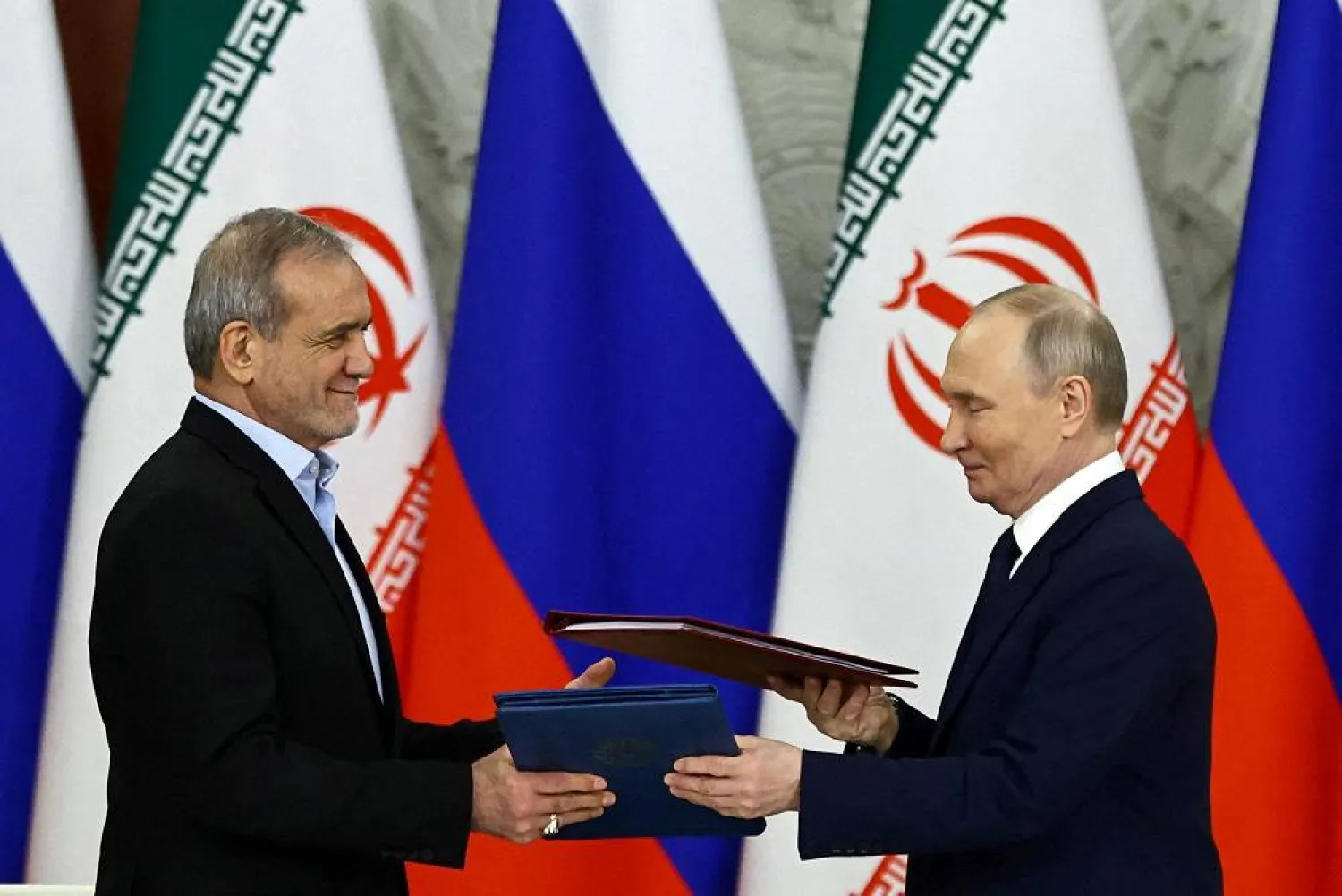
Iran sanctions resistance has become the organizing theme of a new government statement, in which Tehran pledged to hold its ground against American economic pressure and what it described as US-Israeli conspiracies against the country.
The message, carried by Iranian state media, framed the response as running on two tracks at once — one diplomatic, one military.
Two Tools, One Strategy
The central formulation in the statement was that diplomacy and defense are complementary, coordinated and inseparable instruments.
That phrasing does specific work. It rejects the idea that negotiation and military readiness represent competing approaches, or that pursuing one requires softening the other. In the government’s telling, both serve the same purpose: protecting national interests, security, and territorial integrity.
The statement committed to pursuing both simultaneously rather than choosing between them.
The Economic Agenda
Alongside the geopolitical language, the government laid out domestic priorities that reveal where the actual pressure is being felt.
Four objectives were named:
- Bringing inflation under control
- Creating employment
- Supporting domestic production
- Gradually reducing dependence on the dollar
These are not abstract policy goals. They are direct responses to the conditions sanctions have produced inside Iran — currency instability, price increases that outpace wages, constrained access to imported inputs, and difficulty conducting international transactions.
Why Inflation Comes First
Listing inflation at the top is telling.
Sanctions work primarily through the currency. Restricted oil revenue and limited access to the international banking system reduce the foreign exchange available to a country, which weakens the local currency, which raises the price of everything imported, which spreads through the domestic economy.
For ordinary households, that process shows up as groceries costing more each month while salaries stay flat. It is the mechanism through which external pressure translates into internal political strain, and every sanctioned government understands it as the primary threat to stability.
The Dollar Question
The pledge to gradually reduce dollar dependence reflects a broader effort visible across several sanctioned economies.
The American financial system’s central position in global trade is what gives sanctions their reach. Transactions clearing through dollar-denominated channels become visible and blockable. Reducing exposure to those channels — through barter arrangements, local currency trade agreements, alternative payment systems, or commodity-based settlement — is an attempt to reduce that leverage.
The word “gradually” carries weight here. Detaching from dollar infrastructure is slow, expensive, and imperfect. Alternative arrangements typically cost more, involve fewer partners, and offer less liquidity. No country has accomplished the shift quickly.
Domestic Production as Necessity
The emphasis on supporting internal manufacturing follows the same logic.
When importing becomes difficult, producing domestically stops being an economic preference and becomes a requirement. Governments under sanctions consistently pivot toward self-sufficiency programs — sometimes successfully in specific sectors, often at higher cost and lower quality than imports would provide.
Iran has pursued versions of this approach for decades, with mixed results across different industries.
The Language of Conspiracy
The reference to US-Israeli conspiracies places the economic difficulties within a specific narrative frame.
That framing serves a domestic political function. Attributing hardship to external hostility rather than internal policy shifts responsibility outward and invites national solidarity rather than criticism of leadership.
It is a standard rhetorical approach for governments facing economic pressure from abroad, and it does not tell an outside observer much about the actual state of Iranian policymaking. What the statement does reveal is the priority list, and that list is heavily economic.
Reading the Statement
Taken together, the announcement suggests a government preparing for continued pressure rather than anticipating relief.
There is no mention of forthcoming negotiations, no signal of flexibility, no indication that sanctions are expected to ease. The commitments described are the kind a country makes when planning to operate under constraint indefinitely.
The insistence that diplomacy remains active, however, leaves a door open. A government abandoning diplomacy entirely would not bother listing it alongside defense as an equal instrument.
What It Means Practically
For Iranians, the immediate significance lies in the domestic agenda rather than the geopolitical language.
Whether inflation actually slows, whether jobs materialize, and whether domestic producers can fill gaps left by restricted imports will determine how the coming period is experienced regardless of what happens in international forums.
Statements of resolve are inexpensive to issue. The economic commitments attached to this one are the part that will be measured.
Author