The Strait of Hormuz crisis has done something that decades of energy policy papers never managed — it forced Asia to confront exactly how fragile its fuel supply really is.
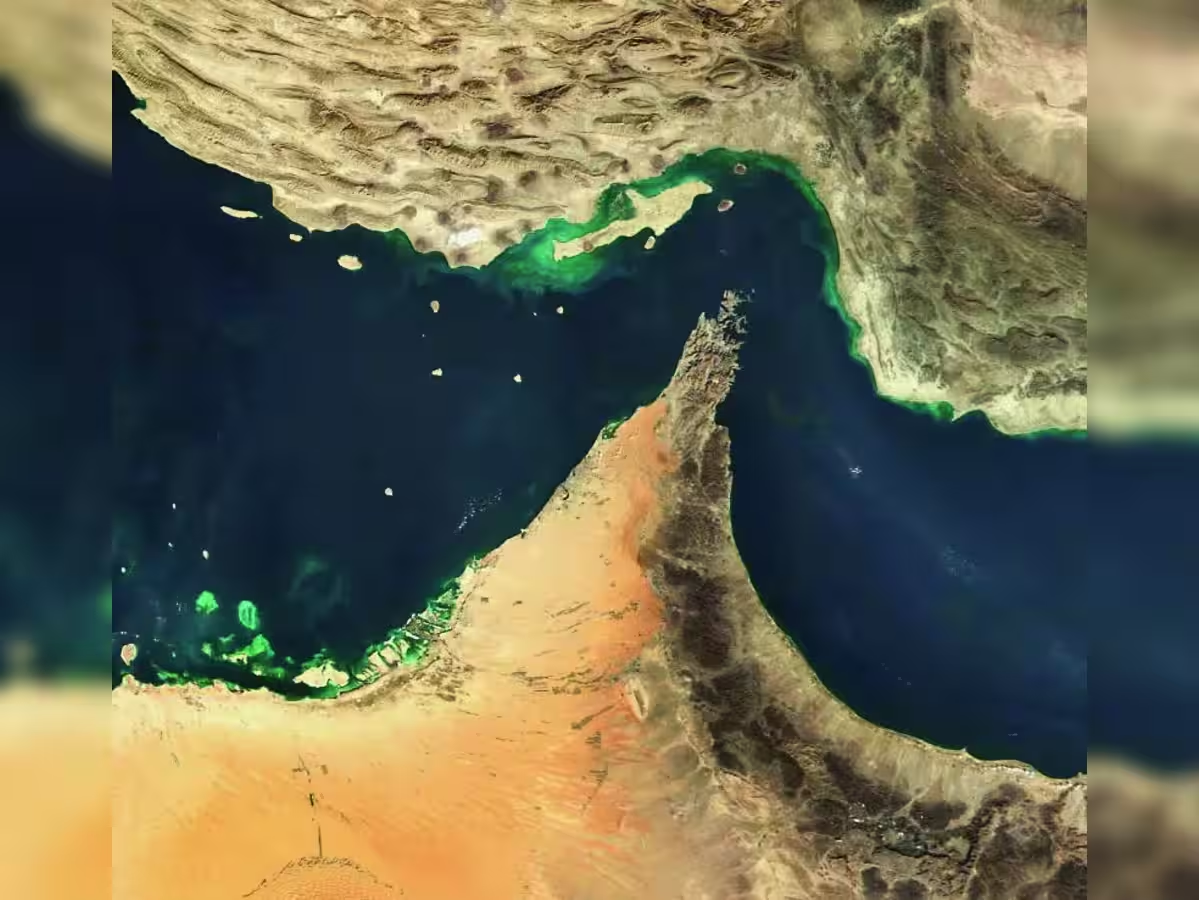
A waterway just twenty miles across turned out to be the single point on which much of the world’s energy security rested. Once Iran demonstrated it could threaten passage there, the assumptions underneath global oil and gas trade stopped holding.
How the Crisis Began
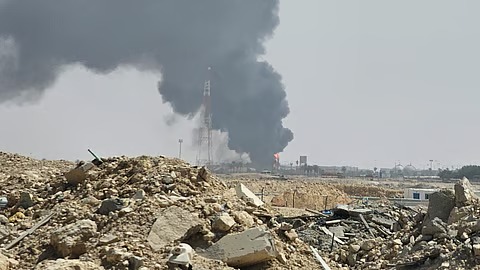
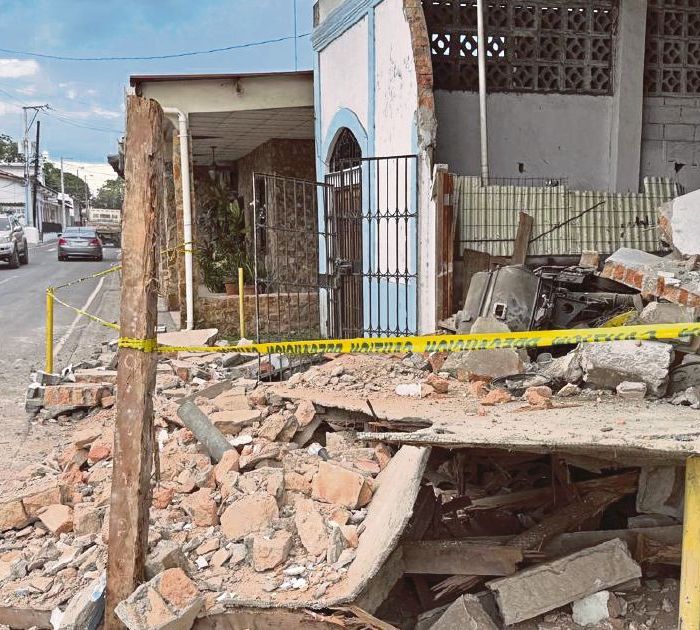
After American strikes on Iran, Tehran warned it would attack vessels attempting to transit the Strait — the channel carrying the bulk of Middle Eastern oil and gas exports.
Governments across Asia responded quickly and defensively. Export bans went up. Import duties came down. Fuel rationing began in several countries as officials tried to stretch existing supplies.
Six months on, the catastrophe many predicted has not arrived. No sustained gasoline queues. No widespread blackouts. No grounded airline fleets. Higher production elsewhere and substantial stockpiles absorbed much of the shock.
Some semblance of normal function may be returning. Iran announced a new revenue-sharing arrangement over the waterway on Wednesday, though a military spokesperson simultaneously accused the United States of obstructing the process.
Why Nobody Believed It Could Happen
The most important lesson may be how thoroughly the expert consensus failed.
Carole Nakhle, chief executive of the energy consultancy Crystol Energy, noted that before this crisis most market observers would have insisted closing Hormuz was impossible — that Iran simply lacked the capability. The country had attempted it during the 1980s and failed.
What changed is cost. Nakhle pointed to how cheap and easy it has become to menace extremely expensive infrastructure. Inexpensive drones can now threaten refineries, pipelines, ports, and other facilities representing billions in investment.
Saul Kavonic, head of energy research at MST Financial, called it the industry’s fundamental wake-up call — a paradigm shift after fifty years of settled practice. The movement, he said, is from just-in-time supply chains toward just-in-case ones.
The Numbers Behind the Exposure
Before the war, roughly one fifth of global oil trade moved through the Strait, which sits between Iran and Oman.
More than 80 percent of that volume was headed to Asia, principally China, India, Japan and South Korea. The concentration was extraordinary, and largely unexamined until it became a problem.
Japan Discovers Its Vulnerability
No country illustrates the exposure better than Japan.
Before the conflict, the Middle East supplied 90 percent of Japanese crude oil imports and about 11 percent of its liquefied natural gas.
Kavonic described Japan as more vulnerable than it had understood, particularly on LNG, since the country imports all of its energy. The consequence is blunt: if the LNG does not arrive, the lights go out and the country stops.
Tokyo has begun acting on that realization. Japan’s Inpex formed a joint venture to expand LNG investment in Australia’s Northern Territory, moving supply commitments away from the Gulf.
The Winners in the Reshuffle
That shift is creating clear beneficiaries.
Kavonic described boom conditions for Woodside and Chevron, two major LNG players without heavy Middle Eastern concentration. The oil majors more broadly are accelerating LNG investment as buyers hunt for non-Gulf sources.
Exporters are adapting too, though differently. For oil producers, the lesson has been the necessity of alternate routes.
Billions are flowing into port construction on Saudi Arabia’s western coast and along the Gulf of Oman — infrastructure that bypasses the Strait entirely. Pipeline capacity is expanding, including Saudi Arabia’s East-West line.
If those projects deliver, only about 10 percent of the world’s oil would need to transit Hormuz, down from 20 percent before the war.
Gas Has No Escape Route
Oil can find another path. Gas cannot.
Crude can move overland by pipeline from Persian Gulf fields to ports on the western side of the Arabian Peninsula. LNG has no equivalent option — it must travel by ship, and for Gulf producers that means passing through the Strait.
Qatar, among the world’s largest LNG exporters, has been working the problem from several angles: diplomatic engagement, cultivating new customers, and seizing whatever windows appear to move cargo through Hormuz. It has also prepared an accelerated restart timeline for the moment the waterway reopens fully.
Why the Collapse Never Came
The predicted disaster was specific. In April, the head of the International Energy Agency suggested European flights might soon be grounded by jet fuel shortages.
Oil did climb to $126 a barrel, but never reached the $150 to $200 range some analysts anticipated. Emergency conservation measures appeared across Asia, but no prolonged shortage took hold.
Kavonic credited market resilience that exceeded expectations. Several factors made it possible.
Reserves were enormous. IEA rules require its 32 member countries to hold at least 90 days of oil supply, with comparable gas requirements added after Russia’s invasion of Ukraine. In March, the agency coordinated the release of 400 million barrels — the largest such intervention it has ever conducted.
Producers including the United States, Saudi Arabia and the UAE raised output and shipping capacity.
But the least recognized contributor was China, which drew heavily on its own vast stockpiles and thereby left more oil available to everyone else.
Power Shifts to Beijing
Kavonic drew a striking conclusion from that behavior: OPEC has lost its historic function as manager of the global oil market, and that role has passed to China.
The consequences reach beyond crude pricing. He noted how dependent Pacific Island nations are on diesel for basic electricity, meaning Asian countries have had to manage their own imports while also supporting the Pacific. Failure there could unravel thirty years of regional policy in a matter of months.
The Credit Card Problem
The reassuring part of this story has an expiration date.
With US-Iran negotiations barely alive and Iranian control over Hormuz looking durable for years, the tools that worked in the first half of the year may not work again.
Kavonic put it plainly: the last four months were spent living on the oil market credit card. Continue at that pace, and the card gets maxed out within months.
Stockpiles that absorbed the first shock cannot absorb a second one at the same depth. That is the reality driving the diversification now underway — not idealism about energy transition, but the recognition that the buffer is finite and the chokepoint is not going away.
Author