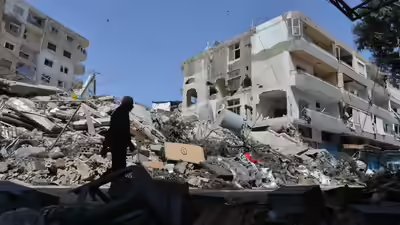
US Military Strikes on Iran Loom as Trump Weighs Final Decision
The possibility of fresh US military strikes on Iran is once again front and center in Washington. According to sources with direct knowledge of the planning, the Trump administration spent Friday preparing for a new round of action against Tehran, even as diplomatic talks between the two nations continued behind the scenes. As of Friday afternoon, no final decision had been made, but the signs of military readiness are unmistakable.
Trump Cancels Personal Plans to Stay Focused
President Donald Trump made it clear just how seriously the White House is treating the current situation. He announced on social media that “circumstances pertaining to Government” were preventing him from attending his son Donald Trump Jr.’s wedding this weekend. Originally, the president had planned to spend Memorial Day weekend at his golf property in New Jersey, but those plans were scrapped in favor of returning to the White House.
The decision to remain in Washington reflects the gravity of the moment, especially as Pentagon and intelligence officials brace for possible action.
Military and Intelligence Officials on High Alert
Several members of the U.S. military and intelligence community have already canceled their Memorial Day plans, anticipating the possibility of imminent strikes. Defense and intelligence officials are also updating recall rosters at American installations overseas.
This activity is happening alongside an ongoing effort to scale down the U.S. military footprint in the Middle East. Troops stationed in the region are rotating out as part of a broader plan to limit American exposure, particularly given concerns over how Iran might retaliate.
A Fragile Ceasefire and Quiet Negotiations
Since a temporary ceasefire began in early April, the United States and Iran have mostly avoided direct military action against each other. That pause has allowed time for indirect negotiations aimed at reaching a longer-term deal, though tensions remain extremely high.
White House spokesperson Anna Kelly emphasized that President Trump’s stance has not changed. She stressed that Tehran can never be allowed to develop a nuclear weapon or retain its enriched uranium. Kelly also pointed out that the Pentagon’s role is to be ready to act on whatever decision the president makes.
Iran’s Bold Warning
Iran’s Islamic Revolutionary Guard Corps (IRGC) issued a sharp warning earlier in the week. They cautioned that any further strikes from the United States or Israel could push the conflict beyond the Middle East. Their statement promised “crushing blows” in unexpected locations, raising fears of a broader regional and possibly global escalation.
The proposal currently on the table was delivered to Iran on Wednesday. Sources confirm it came along with a serious warning: if Tehran rejects what is being described as a final offer, military strikes will resume. Iran is now reviewing the proposal, and the world is watching closely.
Trump Sees Hope, but Demands Guarantees
Speaking on Friday, Trump expressed cautious optimism. He suggested that Iran appears eager to make a deal but reminded everyone that talks could still fall apart. Earlier in the week, he said he was prepared to give Tehran “a couple of days” to respond.
Trump also acknowledged that his team had been impressed with Iran’s negotiating skills. Still, he made it clear that any agreement would need to come with strong guarantees to prevent the conflict from flaring up again.
Pakistan Steps Into the Role of Mediator
Diplomatic communication between the two nations has been flowing through Pakistan, which has emerged as the key intermediary. Secretary of State Marco Rubio confirmed before boarding a flight to India that a response from Iran was expected to arrive soon through a Pakistani field marshal acting as a direct line of contact.
Rubio said the United States preferred diplomacy over military action and noted that progress had been made. However, he was honest about the fact that significant work remains.
The Strait of Hormuz Question
Rubio also revealed that during recent meetings in Sweden, U.S. officials discussed with NATO members the possibility of reopening the Strait of Hormuz by force if necessary. He referred to this military option as “Plan B,” reserved only for the case where Iran refuses to take steps to reopen the critical shipping lane on its own.
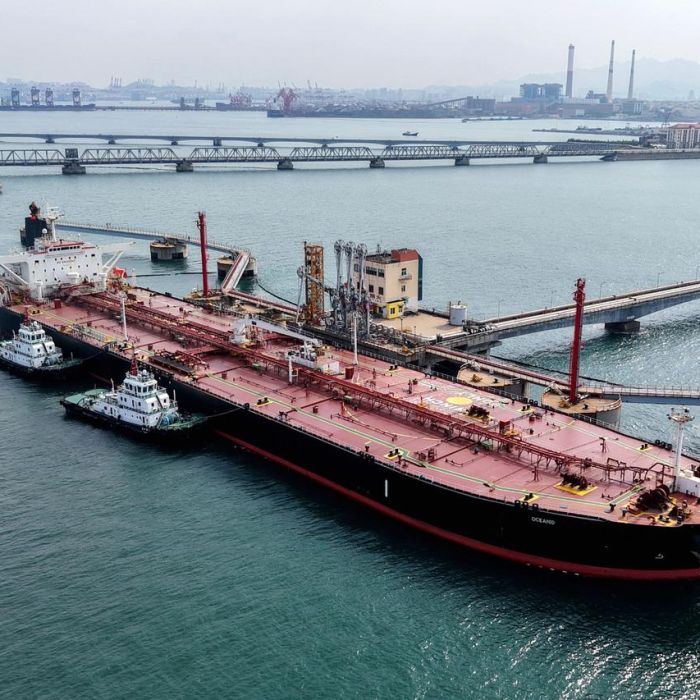
The Strait of Hormuz remains one of the most important waterways in global oil trade. Its closure has already contributed to rising fuel prices and added pressure to global energy markets during the nearly three-month-long conflict.
Congress Steps Back From Limiting Trump’s Power
In Washington, House Republicans had been working on a resolution to restrict President Trump’s authority to conduct military operations against Iran. However, that effort was abandoned on Thursday after leaders concluded that they did not have enough votes to push the measure forward. The collapse of the resolution means Trump retains broad freedom to act militarily if he chooses.
What This Means for the Region
The threat of renewed US military strikes on Iran is more than a diplomatic flashpoint. It has the potential to reshape regional dynamics, trigger massive shifts in oil markets, and create ripple effects far beyond the Middle East. Iran’s leaders are now under intense pressure to respond, while the United States stands ready for either path, peace or war.
For now, the world watches and waits. Trump has made his red lines clear, Iran has shown willingness to talk but also warned of severe consequences, and Pakistan continues to serve as the bridge between the two sides. The next few days could determine whether diplomacy prevails or whether a new chapter of conflict begins.
Author