China Coal Mine Blast in Shanxi Kills 90 as Rescue Operations Push On
A devastating China coal mine blast in the northern province of Shanxi has claimed the lives of at least 90 workers, marking one of the deadliest mining disasters the country has witnessed in over a decade. The explosion has shaken the nation, prompting an emergency response from top leadership and igniting concerns about safety standards in China’s coal industry.
A Tragic Night Underground
The incident took place late Friday night at the Liushenyu coal mine in Qinyuan county. According to state news agency Xinhua, 247 workers were inside the mine at the time of the explosion. Although more than 200 of them were initially reported to have been brought safely to the surface, the situation took a dramatic turn within hours.
By Saturday, the official death toll had risen sharply. State broadcaster CCTV reported that 90 workers were confirmed dead, a steep jump from the initial figure of just eight fatalities. Authorities have yet to fully explain the sudden surge in the number of casualties, but rescue teams continue to comb through the site, fearing the count could rise even further.
Xi Jinping Demands Immediate Action
In response to the disaster, Chinese President Xi Jinping issued a strong directive to authorities, calling on them to “spare no effort” in treating the injured and carrying out search and rescue operations. He also ordered a thorough investigation into the explosion, demanding that those responsible be held accountable under the law.
Premier Li Qiang reinforced Xi’s instructions, calling for transparency in the release of information and emphasizing strict accountability for those involved. The unusually swift and direct response from China’s top leaders suggests that the situation is being treated as a matter of national urgency.
Rescue Operations in Full Swing
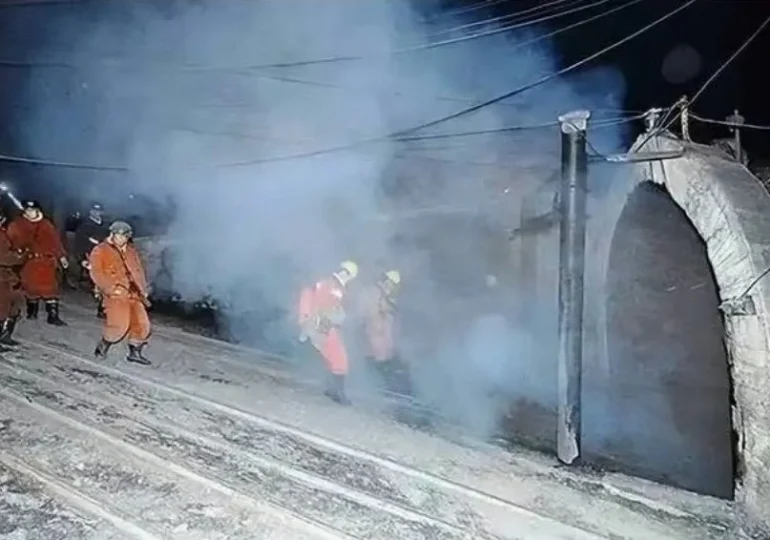
The local emergency management authority in Qinyuan confirmed that rescue teams remain actively engaged at the site. Footage from CCTV showed first responders, paramedics, and even fellow miners working tirelessly to assist with the recovery efforts. Stretchers were being pulled from ambulances, while workers used mine carts to help clear debris and create access paths.
The cause of the explosion is still under investigation. Initial reports indicated that an underground sensor had detected dangerously high levels of carbon monoxide moments before the blast occurred, which is often a warning sign of a potential gas explosion. The mine’s history with similar safety concerns is now under intense scrutiny.
Mine Executives Detained
In a swift move, Xinhua reported that executives from the company responsible for the mine have already been detained. Authorities have not yet released their names but have made it clear that those overseeing the operation will be held responsible if negligence or wrongdoing is found.
This step reflects the broader push for accountability in China’s industrial sector, especially when disasters occur on such a massive scale. It also signals that the investigation will not be limited to operational staff but will likely extend to top decision-makers.
A Troubled Safety Record
The Liushenyu coal mine has had a problematic history. It was previously included in a 2024 government list of mines flagged for “severe safety hazards,” with high gas levels specifically noted as a concern. Despite repeated warnings from the National Mine Safety Administration, it appears that the mine continued to operate without addressing these critical risks.
This disaster comes as a sobering reminder of the dangers still present in China’s coal mining sector. While the country has made considerable progress in reducing mine-related fatalities over the past two decades, accidents involving gas explosions and flooding remain a persistent challenge.
A Pattern of Past Tragedies
China’s mining history has been marked by several deadly events. The most recent comparable disaster occurred in 2023 when an open-pit coal mine collapsed in Inner Mongolia, killing 53 people. Years earlier, in 2020, 16 miners died from carbon monoxide poisoning after being trapped in a coal mine in southwestern China.
While the country has tightened safety regulations significantly since the early 2000s, smaller, older mines and those operating in remote provinces remain particularly vulnerable. The Liushenyu blast, with its alarming death toll, now joins this difficult list of major mining tragedies.
A Crucial but Dangerous Industry
Coal continues to play a key role in powering China’s enormous economy. Despite its strong push toward renewable energy, the country still relies heavily on coal-fired power plants, especially in heavily industrialized regions. Shanxi, where this disaster occurred, is one of the most important coal-producing provinces in the country.
Many local communities depend on coal mining for their livelihoods. However, the industry’s profitability often comes at a steep human cost. Miners face risks ranging from gas buildup to roof collapses and structural failures. Stricter enforcement of safety protocols is widely seen as essential to preventing future tragedies.
Government Calls for Transparent Communication
One of the standout elements of the government’s response has been Premier Li Qiang’s insistence on the “timely and accurate release of information.” This is a notable shift from the past, where Chinese authorities sometimes delayed sharing details of major disasters.
By prioritizing transparency, leaders appear to be acknowledging the importance of public trust during emergencies. It also reflects an effort to manage the political and social fallout, particularly as more families demand updates about their loved ones.
What Lies Ahead
In the coming days, attention will remain focused on rescue operations and the official investigation. Authorities will need to determine whether the disaster was caused by a specific equipment failure, human error, or a systemic neglect of safety standards.
If the findings reveal that warnings were ignored or rules were violated, the consequences for those involved are likely to be severe. The government will also face pressure to introduce new measures to ensure that mines flagged for safety hazards are either upgraded or shut down entirely.
A National Tragedy and a Wake-Up Call
The China coal mine blast at Liushenyu is more than a single accident. It is a powerful reminder of the dangers still lurking in one of the country’s most vital industries. With at least 90 workers dead, hundreds of families shaken, and a nation watching closely, the disaster is set to become a turning point in how China approaches mine safety in the years ahead.
As rescue teams continue their work and investigators search for answers, the Liushenyu tragedy stands as a heartbreaking event that highlights the urgent need to put worker safety above all else.
Author