The Frisco mayoral race was never just about who would run city hall. In this fast-growing suburb north of Dallas, the contest became a referendum on diversity itself — and an early test of whether anti-Muslim messaging could carry a candidate to victory in a general election. On Saturday, voters delivered a clear answer.
A Decisive Result
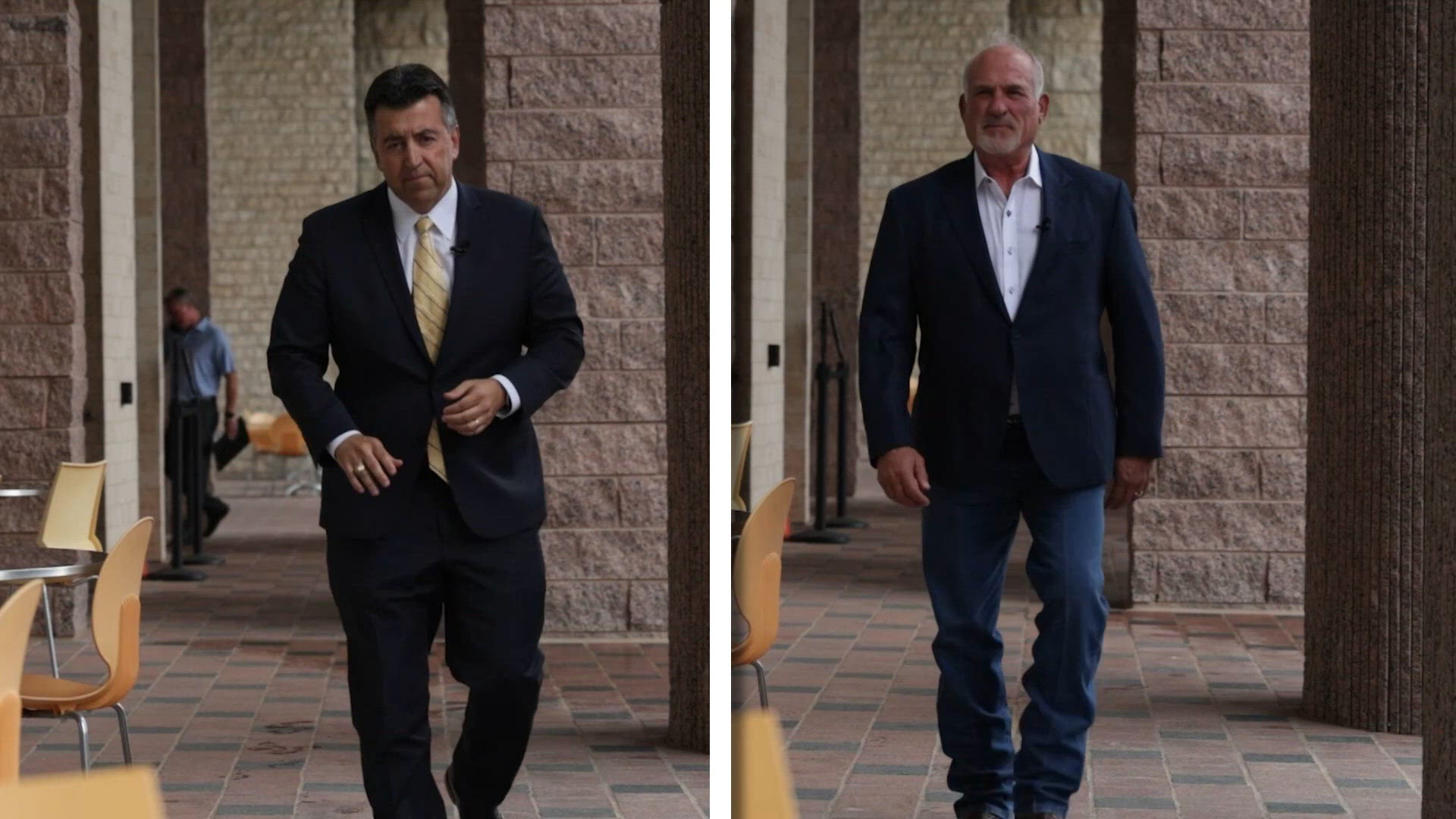
Mark Hill, a conservative lawyer and former Frisco school board president, won the divisive mayoral runoff, defeating Rod Vilhauer in a race that drew national attention for its sharp cultural undertones.
The margin was not close. Hill defeated Rod Vilhauer Saturday night in Frisco’s mayoral runoff election, capturing 58.12% of the vote — 19,632 ballots — to Vilhauer’s 41.87%, or 14,146 votes. With all precincts reporting across Collin and Denton counties, Hill’s lead held steady from the first early returns straight through the final count. Star Local Media
The runoff became necessary after a crowded May field left no candidate above the 50% threshold. Hill had led that initial round with roughly 35%, while Vilhauer trailed at about 31%. Hill will now become Frisco’s first new mayor in nine years, succeeding Jeff Cheney, who reached his term limit after leading the city since 2017.
Two Very Different Visions
The candidates offered starkly different paths for one of Texas’s fastest-growing cities.
Vilhauer, a retired construction company owner and former planning and zoning commissioner, built a following on the hard right. His campaign leaned heavily into anxieties about Frisco’s rapid growth and shifting demographics, with pledges to keep what he called “terrorists” out of the city and to prevent Shariah, or Islamic religious codes, from overriding local and federal law. Notably, Sharia is a religious code within the Islamic faith and is not enforceable under U.S. law.
His rhetoric went further still. In a March podcast interview, Vilhauer questioned whether Islam should even be considered a religion, characterizing it instead as a terrorist group.
Hill, who describes himself as a conservative Republican, positioned himself as the candidate who could lower the political temperature. He united a range of voters opposed to Vilhauer with a promise to bring different communities together and to keep the focus on running the city rather than fighting culture-war battles. He also issued a practical warning: that inflammatory rhetoric could drive residents away and discourage companies from relocating to Frisco.
A Test Case for Anti-Muslim Messaging
The nonpartisan race carried significance well beyond city limits. It stood as one of the earliest tests of whether attacks on Islam — an increasingly common theme among Republican candidates this year — would resonate with a broad general-election electorate.
Hill’s win may give pause to candidates weighing similar strategies, especially in places like the Dallas suburbs, which are home to sizable Muslim and South Asian populations. The outcome suggests that such messaging has real limits once it moves beyond a narrow primary base.
A City Transformed
Much of the tension traces back to how dramatically Frisco has changed. Once a small community about 30 miles from Dallas, it has grown into a dense and affluent suburb, drawing corporate offices, transplants from other states, and immigrants from abroad, particularly from South Asia.
The numbers tell the story:
- The population now stands at roughly 245,000 residents.
- Around a third of the city is Asian, roughly double the share from a decade ago.
- The white population has declined to less than half of the total.
That transformation has made Frisco a flashpoint. Hard-right influencers and activists have increasingly turned their attention to the city, and contentious City Council meetings have drawn hours of public testimony, including heated opposition to the construction of a mosque alongside Hindu and Jain temples. Several residents who opposed the mosque openly backed Vilhauer.
The Stakes Hill Laid Out
Throughout the campaign, Hill framed the divisive rhetoric as a threat to Frisco’s future and reputation. He argued that families weighing a move from anywhere in the country, or even abroad, would steer clear if the city became known for hostility toward newcomers.
Vilhauer, for his part, acknowledged the labels his critics had attached to him, saying he had been called a bigot and an Islamophobe, and claiming he had apologized to those he offended. He cast himself as the candidate of change, while Hill emphasized a positive, future-focused approach centered on disciplined development and keeping taxes low.
What the Vote Signaled
Vilhauer had emerged unexpectedly from a crowded first-round field, offering a sharp break from a previous administration that had openly celebrated Frisco’s diversity. But when given a clear choice in the runoff, voters declined that direction.
Instead, they chose the candidate promising to repair the city’s image as a welcoming place and to govern by tending to municipal affairs rather than stoking division. In a suburb reshaped by decades of growth and newcomers, the message from the ballot box was unmistakable.
Author