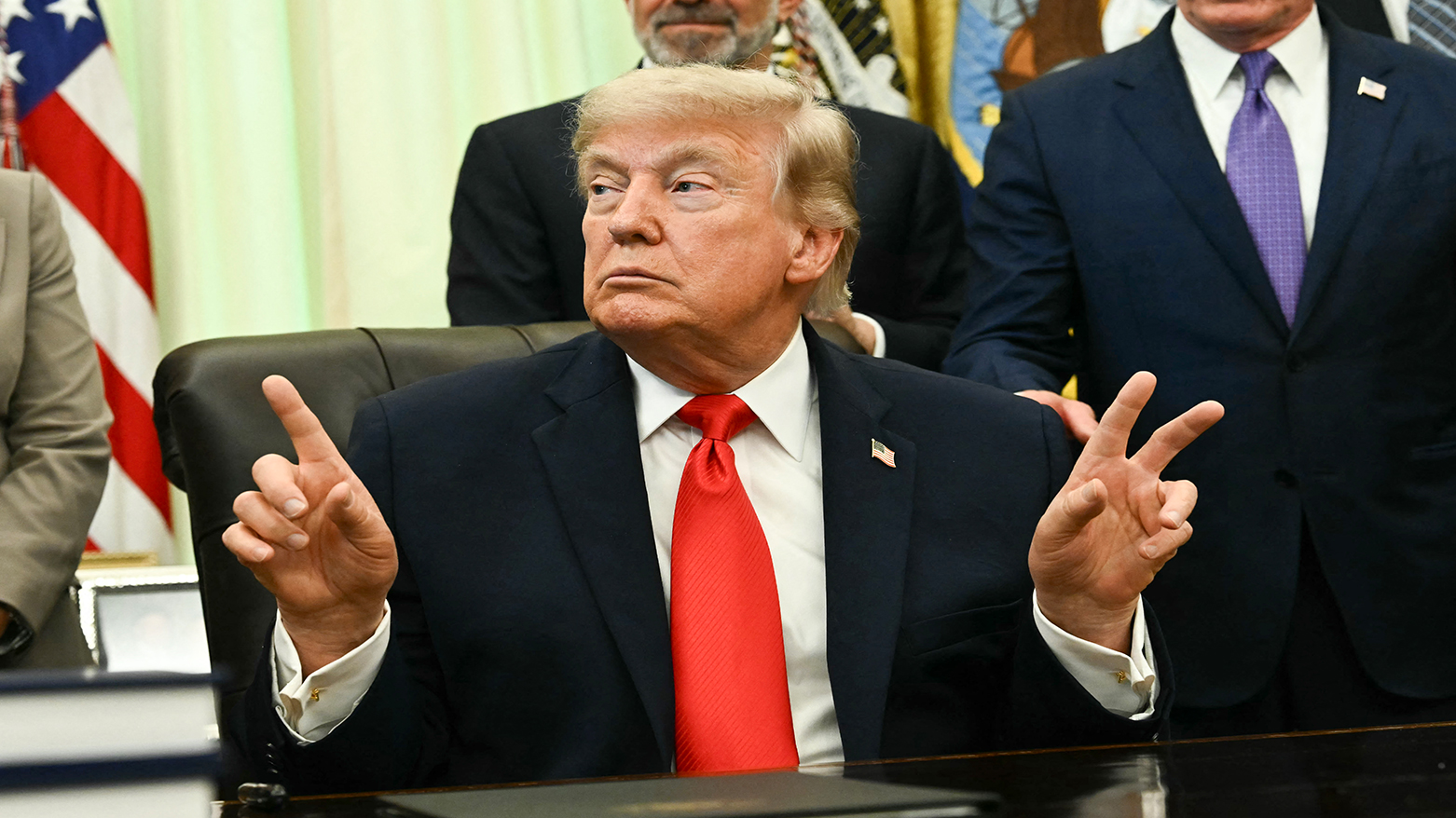
The U.S.-Iran deal that many doubted would ever materialize has finally been reached, bringing the prospect of an end to more than three months of devastating conflict in the Middle East. On Sunday, President Donald Trump declared that the agreement with Tehran was “now complete,” while Pakistani Prime Minister Shehbaz Sharif confirmed that both governments had agreed to halt all military operations immediately and permanently.
The breakthrough marks one of the most consequential diplomatic developments of the year, with ripple effects expected across global energy markets and regional politics alike.
A Deal Months in the Making
The path to this U.S.-Iran deal was anything but smooth. Fighting erupted in late February when Washington launched what Trump described as “major combat operations” against Iran, joined by Israeli forces in a series of heavy strikes on military, government, and infrastructure targets. An early two-week ceasefire gave way to failed negotiations in Pakistan in April, after which the U.S. tightened the screws by maintaining a naval blockade of Iranian ports.
That blockade, imposed in mid-April, choked off Iran’s oil exports and, according to U.S. estimates, cost Tehran roughly half a billion dollars every single day. Meanwhile, Iran’s own grip on the Strait of Hormuz kept one of the world’s most vital shipping corridors largely closed, squeezing the global economy.
After months of pressure on both sides, mediators finally found enough common ground to bring the war to a close.
Trump Orders the Blockade Lifted
In a characteristically dramatic announcement on Truth Social, Trump celebrated the agreement and ordered the immediate dismantling of the U.S. naval blockade.
“Ships of the World, start your engines. Let the oil flow!” he wrote, authorizing toll-free passage through the Strait of Hormuz.
The symbolism was hard to miss. For months, the strait had been a chokepoint of geopolitical tension. Now, with the blockade set to be removed and Iranian ports reopening, energy traders are bracing for a major shift in oil supply and pricing.
According to reports, the broader arrangement may also include the release of around $25 billion in frozen Iranian assets and a relaxation of sanctions, allowing Iran to sell more oil and begin rebuilding its battered economy.
What the Agreement Covers
While the full text has not yet been published, the key elements emerging from the announcement include:
- An immediate and permanent end to military operations on all fronts, including Lebanon
- The reopening of the Strait of Hormuz to toll-free commercial shipping
- The lifting of the U.S. naval blockade on Iranian ports
- A formal signing ceremony scheduled for Friday in Switzerland
- Technical talks, including Iran’s nuclear program, to be addressed in later rounds
Sharif described the upcoming week as a period of “pre-implementation discussions” that would set the stage for the technical negotiations and the official signing.
Iran’s deputy foreign minister, Kazem Gharibabadi, confirmed that the memorandum of understanding had been finalized and would be made public once signed. He was careful to note, however, that the agreement reflected ongoing distrust rather than any newfound confidence in the other side, framing the outcome in Tehran as something closer to a hard-won victory than a reconciliation.
The Lebanon Complication
Not everyone is fully on board. While the deal officially calls for an end to hostilities in Lebanon, Israeli Prime Minister Benjamin Netanyahu reportedly told Trump that Israel would not withdraw its troops and did not consider itself bound by the Lebanese portions of the agreement.
The tension was visible on the ground. Even as news of the deal spread, Israeli forces continued striking targets in Lebanon, and Hezbollah claimed drone attacks against Israeli troops in the south. The Israeli military issued fresh evacuation warnings for more than a dozen towns and villages ahead of additional airstrikes.
This disconnect highlights a familiar problem in Middle East diplomacy: a deal signed in one capital does not automatically bind every party fighting on the ground.
The Role of Regional Mediators
The agreement would not have been possible without a coordinated diplomatic push from several regional players. Sharif singled out Saudi Arabia, Turkey, and Qatar for their contributions, praising their leadership in keeping talks alive.
Qatari mediators played an especially active role, reportedly leaving Tehran after 17 hours of intensive negotiations. Separate preparatory meetings with each side are expected to take place in Doha this week before the formal signing in Switzerland.
Pakistan’s own central role in brokering the deal has placed Sharif at the heart of one of the year’s biggest diplomatic stories.
Global Reactions and What Comes Next
Western leaders welcomed the breakthrough. British Prime Minister Keir Starmer congratulated Trump and the mediators, emphasizing that freedom of navigation through the Strait of Hormuz must be fully restored and reaffirming that Iran “must never have a nuclear weapon.” French President Emmanuel Macron indicated that G7 leaders would discuss the long-term reopening of the strait in their upcoming meetings.
Qatar’s foreign ministry hailed the agreement as a meaningful step toward lasting peace and regional economic stability.
Still, significant questions remain. The conflict has left more than 7,500 people dead, the majority in Lebanon and Iran, and rebuilding trust will take far longer than signing a document. Iran also emerges from the war with a powerful new bargaining chip: its proven ability to disrupt global shipping through the strait.
A Fragile but Significant Turning Point
For now, the U.S.-Iran deal represents a genuine turning point after months of bloodshed and economic disruption. If the Friday signing proceeds as planned and the Strait of Hormuz reopens, the world could see oil flowing freely again and a dangerous chapter beginning to close.
Whether the peace holds, especially in Lebanon, remains the open question. But after months of escalation, even a fragile agreement offers something the region has been missing for a long time: a path forward.
Author