Five Cannonballs, One X-Ray Machine and a Grandmother Who Had No Idea
Civil War cannonballs are not on anyone’s list of things likely to appear in checked baggage at a small Gulf Coast airport. On July 18, five of them did.
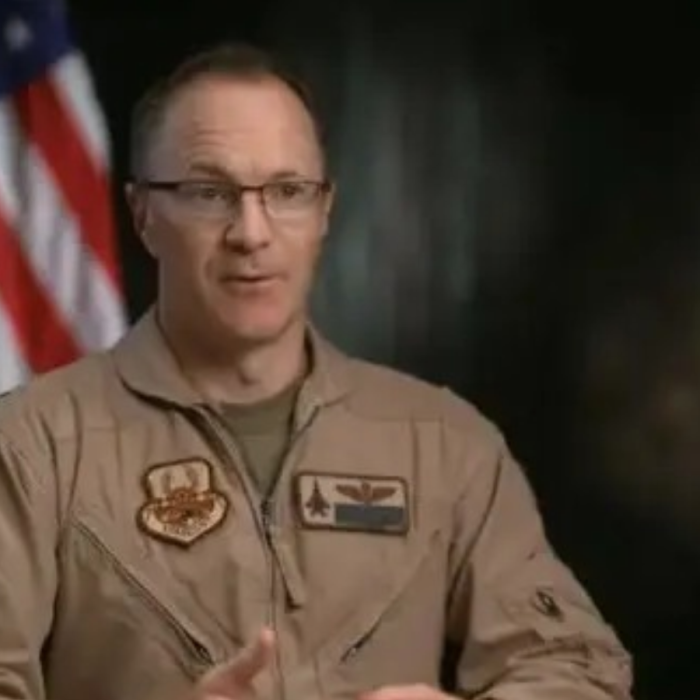
Lead TSA Officer Justin Dupree was running luggage through an X-ray at Gulf Shores International Airport in Alabama when a large, opaque shape appeared on his screen. His first guess was a medicine ball.
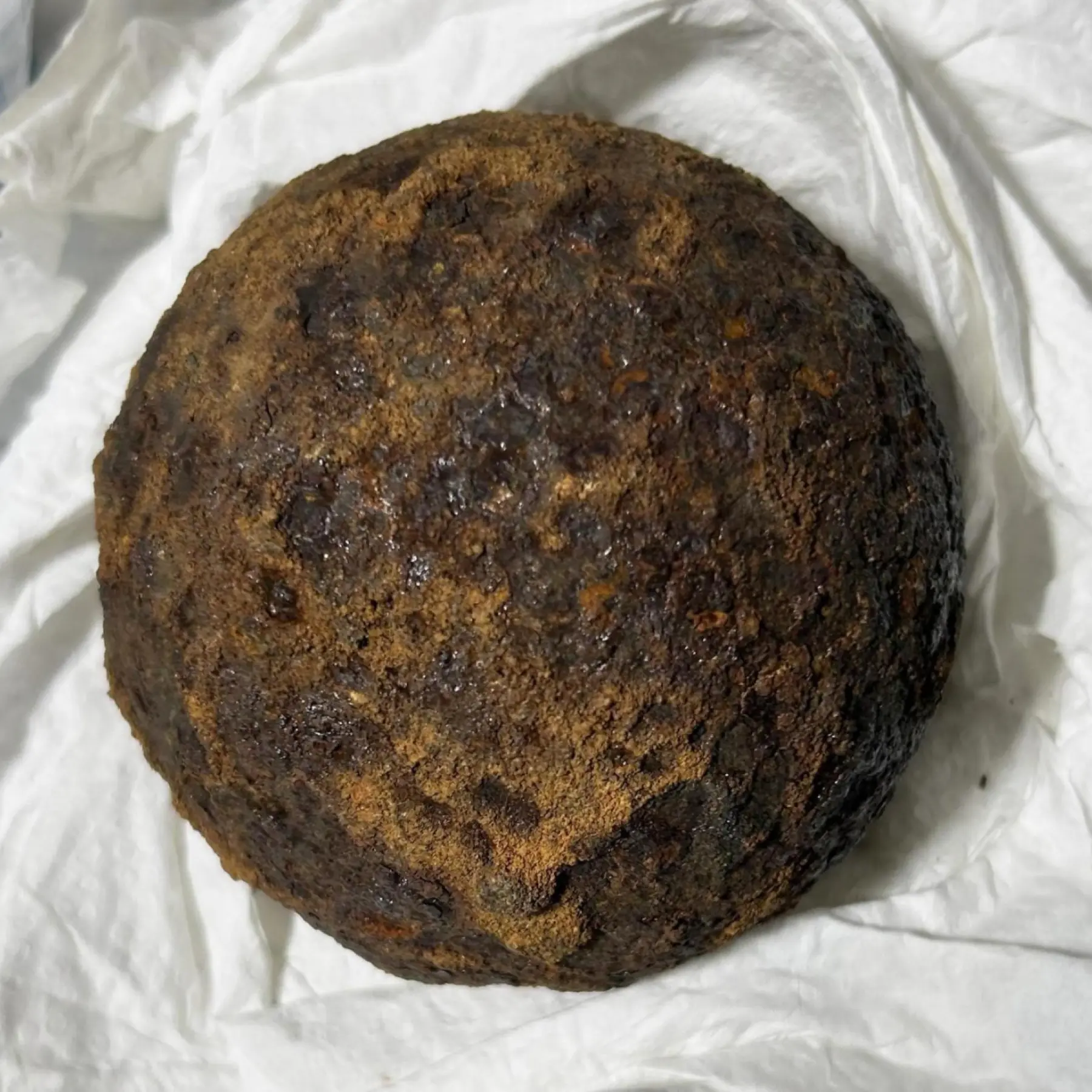
He opened the suitcase and found five metal spheres of varying sizes, individually wrapped in paper towels.
The Moment Before Anyone Knew
Dupree’s description of what went through his head is the part that makes this more than a novelty item.
He said his immediate thought was that he could not see a fuse and needed help quickly. He could not see the entire object, and he was afraid he might be holding a live explosive.
That is a reasonable fear. In the seconds between recognising an unfamiliar metal sphere and learning what it is, a screener has no way to distinguish a museum piece from something dangerous.
Supervisory Officer Richard Cash, who was called over, said it was his first experience handling what might have been a live explosive — and only the second incident of any note since the airport opened to commercial traffic in May 2025.
Local specialists eventually confirmed the objects were inert, containing no explosive material or active components.
Still Not Allowed on the Plane
Inert or not, cannonballs are classified as artillery munitions, which makes them prohibited items in both carry-on and checked luggage.
This trips people up regularly. TSA rules on weapons and ordnance generally do not carve out exceptions based on age or condition. Replica firearms, inert grenades, deactivated munitions and antique ordnance are all typically barred, because a screener cannot verify inertness on the spot and because the confusion itself creates a security problem.
The sizes here ranged considerably. The largest was roughly grapefruit-sized and weighed about as much as a shot put. The smallest measured around an inch across.
How They Were Traced
The break in the case came from paint. Staff at Fort Morgan apply markings to artifacts in their collection, and those markings identified the pieces immediately.
The Baldwin County Sheriff’s Office said a juvenile had taken the cannonballs from a storage area at the fort and placed them in a grandmother’s checked bag. She told officers she had no idea they were there or that they had been stolen.
The fort’s director opted not to press charges, so the matter ended without further action. The artifacts went home.
TSA Alabama Federal Security Director Tara Corse praised the two officers for the catch and their teamwork. Airport director Jesse Fosnaugh offered a more colloquial assessment, calling it the strangest thing to come through security in the facility’s short existence.
The Place They Came From
Fort Morgan is worth knowing about, because the objects in that suitcase were not generic relics.
The fort sits on Mobile Point, a narrow strip of land guarding the entrance to Mobile Bay. The site’s military history predates the fort itself: in 1813 the US Army built a log-and-sand structure there called Fort Bowyer to hold off the British during the War of 1812.
Work on a permanent masonry fortification began in 1819 and took roughly fifteen years, slowed by the remoteness of the location. Its construction consumed some 40 million bricks, laid by masons who included many enslaved people — a fact the site’s history cannot be told without.
By the Civil War it had become a Confederate stronghold. In August 1864, with Mobile Bay among the last open Confederate ports, Union forces attacked under Admiral David Farragut in what became the Battle of Mobile Bay — one of the more consequential naval engagements of the war.
The fort is now a museum operated by the Alabama Historical Commission.
Two Things Worth Taking Seriously
The story is funny in the retelling. The underlying issues are not entirely.
First, old ordnance is not automatically harmless. Most recovered Civil War projectiles are inert, but not all of them are. Shells recovered from battlefields have occasionally retained black powder for a century and a half, and there have been fatal incidents involving collectors handling them. The standing advice from bomb disposal professionals applies regardless of an object’s age: do not move it, do not attempt to clean it, and contact local authorities.
Second, removing artifacts from a protected historic site is a crime, and generally a federal or state one depending on the property. Objects taken out of context also lose most of their research value — an artifact’s location and stratigraphy often tell historians more than the object itself does. That is why archaeologists and site managers react so strongly to what looks, from the outside, like harmless souvenir-taking.
In this case, no charges followed, and the fort recovered its property intact. That is a better outcome than most artifact thefts produce.
A Busy Summer for Odd Finds
TSA has been screening more than two million passengers a day this summer, and the volume produces a steady stream of unusual discoveries.
Recent examples from this season alone include:
- Two live smoke grenades
- An inert grenade
- An object resembling a pipe bomb
- A samurai sword concealed inside a guitar case
Most of these are not malicious. They are the products of people forgetting what is in a bag, misunderstanding the rules, or in this case, not knowing what a family member put in there.
The Practical Takeaway
If you are travelling with anything that could plausibly be mistaken for a weapon or a munition — antique, replica, decorative, ceremonial or otherwise — check the rules before you pack it, and expect the answer to be no more often than yes.
And if you have teenagers in the house, it may be worth glancing inside your own suitcase before heading to the airport.
Dupree, for his part, said he had seen inert grenades and training munitions over the course of his career, but never anything quite like this — describing it as the kind of stolen-artifact situation you would expect from an adventure film rather than a Tuesday shift.
Author
-
Lucienne Albrecht is Luxe Chronicle’s wealth and lifestyle editor, celebrated for her elegant perspective on finance, legacy, and global luxury culture. With a flair for blending sophistication with insight, she brings a distinctly feminine voice to the world of high society and wealth.