The interim deal meant to end the war with Iran is unraveling in public, and the Strait of Hormuz sits at the center of it.
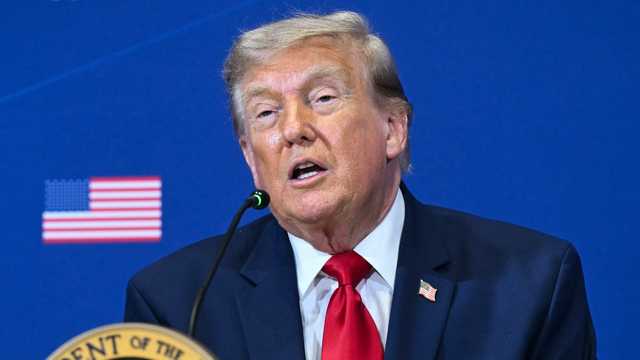
President Trump issued a direct military threat against Iran on Saturday, following a funeral for the late Supreme Leader Ayatollah Ali Khamenei in which mourners openly called for the American president’s assassination.
The exchange captures where things now stand: a ceasefire technically in effect, and both sides speaking as though it is already over.
The Threat
Writing on Truth Social, Trump described a thousand missiles as “Locked and Loaded and aimed at the Islamic Republic of Iran,” with thousands more to follow immediately should the Iranian government act on its threats.
He framed the warning as a response to calls to assassinate him — calls that were not hypothetical. During Khamenei’s funeral procession, mourners repeatedly displayed posters and banners demanding the killing of both Trump and Israeli Prime Minister Benjamin Netanyahu.
Trump went further, declaring that the US military would “completely decimate and destroy all areas of Iran — PRAISE BE TO ALLAH!”
The invocation was not new. Throughout the war and its uneasy pause, Trump has repeatedly used the Arabic name for God while threatening to obliterate Iranian civilization. The Council on American-Islamic Relations has previously condemned what it called his deranged mockery of Islam.
The Funeral That Preceded It
Khamenei, 86, was killed on Feb. 28 in an airstrike that opened the war.
Iran only buried him this week, after a funeral ceremony stretching across multiple days, with his body carried through cities in both Iran and Iraq.
His successor, Ayatollah Mojtaba Khamenei, now leads the country.
The Core Dispute: Who Controls Hormuz
Everything else flows from this question.
Senior US officials have demanded that Iran publicly declare the Strait of Hormuz open and guarantee that vessels transiting it will not be attacked.
Tehran has refused.
Instead, Iran insists the waterway falls under its exclusive control and that ships passing through must pay fees to the Iranian government — a position that overturns decades of international consensus treating the strait as an international waterway.
Iran’s diplomat at the United Nations stated bluntly that any activity in the strait, including its opening or demining operations, rests exclusively with Iran.
Before the war, roughly a fifth of all globally traded oil and natural gas moved through that corridor.
How the Fighting Restarted
The sequence was rapid.
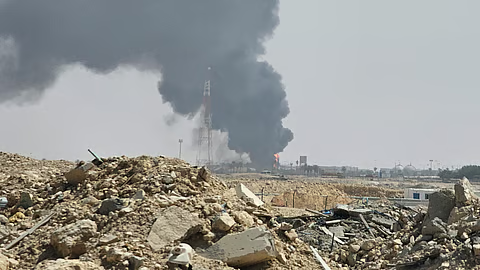
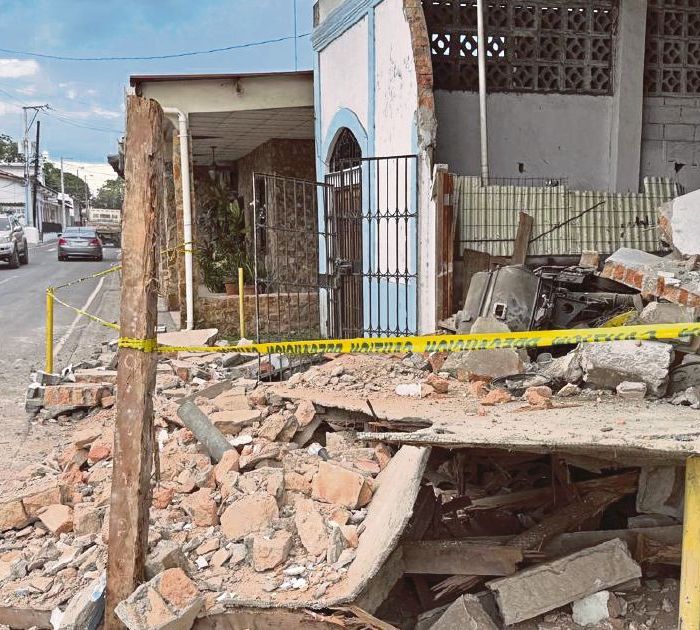
Iran attacked three ships in the strait earlier this week. The US responded with multiple days of airstrikes on Iranian targets. Iran retaliated by striking Bahrain, Jordan, Kuwait and Qatar on Thursday.
According to Iranian Health Ministry spokesperson Hossein Kermanpour, strikes inside Iran across two days killed at least 17 people and wounded 115.
There is also an unexplained element. After the US concluded its strikes Thursday, additional attacks reportedly hit Iran. Israel did not claim them — raising the possibility that Gulf Arab states carried them out, likely to deter further Iranian retaliation against their territory.
Two Competing Narratives
US officials, speaking anonymously, blamed the collapse on a rogue faction of Iranian hard-liners attempting to sabotage the ceasefire.
Iran rejects this entirely, insisting its theocracy emerged from the war unified under its new supreme leader.
The distinction matters enormously. If Washington is right, there may be someone in Tehran worth negotiating with. If Iran is right, the attacks were policy.
Diplomacy, Barely Alive
Efforts to salvage talks continue.
- Qatari mediators traveled to Iran on Friday, according to Iranian Foreign Ministry spokesperson Esmail Baghaei
- Iranian Foreign Minister Abbas Araghchi went to Oman on Saturday to meet his counterpart
- Turkish Foreign Minister Hakan Fidan told broadcaster TRT he believed a solution could be reached this weekend
US officials said Trump has given negotiators limited time to produce a deal — while pointedly noting the president retains a wide range of options if talks fail.
Araghchi, meanwhile, accused Washington of violating the interim agreement by revoking waivers that allowed Iran to sell crude oil in US dollars. The US had ended those waivers in response to the ship attacks.
“Reality check: There can only be mutual compliance,” Araghchi wrote on X.
The Shipping Standoff
Washington continues advising mariners to use a southern route through Omani territorial waters, avoiding Iranian waters and the authority of the Revolutionary Guard.
Tehran regards this as a provocation. It is the proximate cause of the attacks on shipping.
The Nuclear Demand
Beneath the immediate crisis lies the harder problem.
US officials say any nuclear agreement will require Iran to surrender its stockpile of highly enriched uranium — material enriched to near weapons-grade levels, believed to be located at sites the US bombed in 2025.
Iran has consistently refused, maintaining its program is peaceful. The International Atomic Energy Agency has noted that Iran is the only country enriching uranium to such levels without a weapons program.
If no deal is reached, US officials said, military options exist to ensure the material stays buried underground permanently. They declined to elaborate.
They also stated flatly that no nuclear agreement is possible until Iran stops attacking ships in the strait.
Where This Leaves Things
Oil prices have fallen sharply from wartime peaks of $120 a barrel — a rare piece of good news.
Everything else remains precarious. A ceasefire nobody fully observes. A waterway two powers claim. A uranium stockpile neither side will concede. And a president publicly counting his missiles.
Author