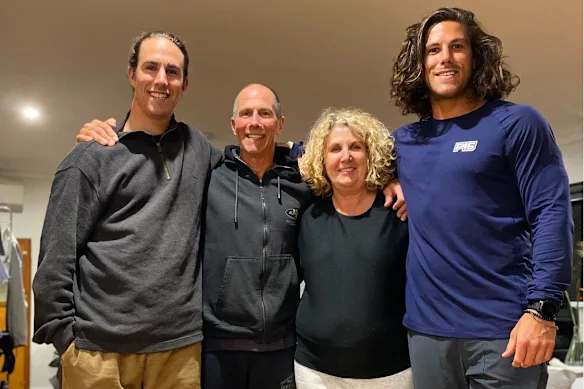
Among the Nepal flood survivors now telling their stories is a couple from the San Francisco Bay Area who were on their first pilgrimage to Tibet when a wall of water came down the valley toward them.
“I knew I was going to die,” Anjana Raja told CBS News. She said it twice.
The Scale of the Disaster
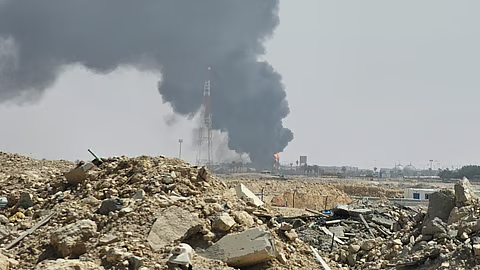
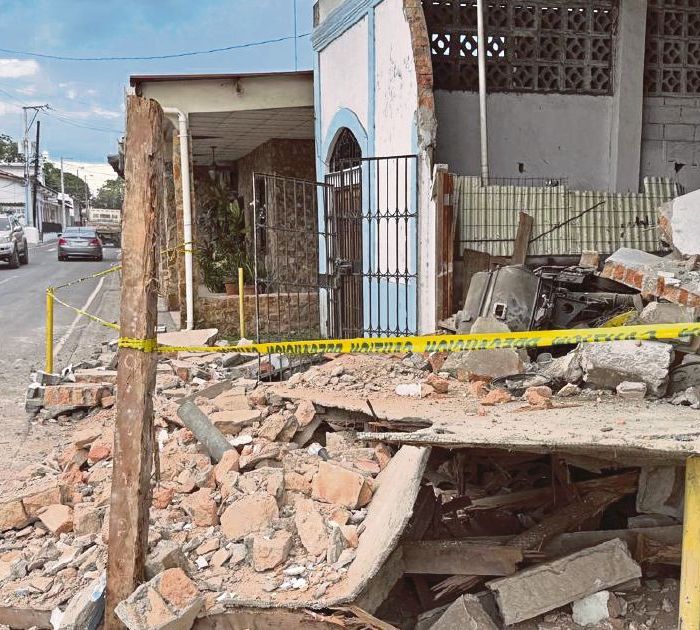
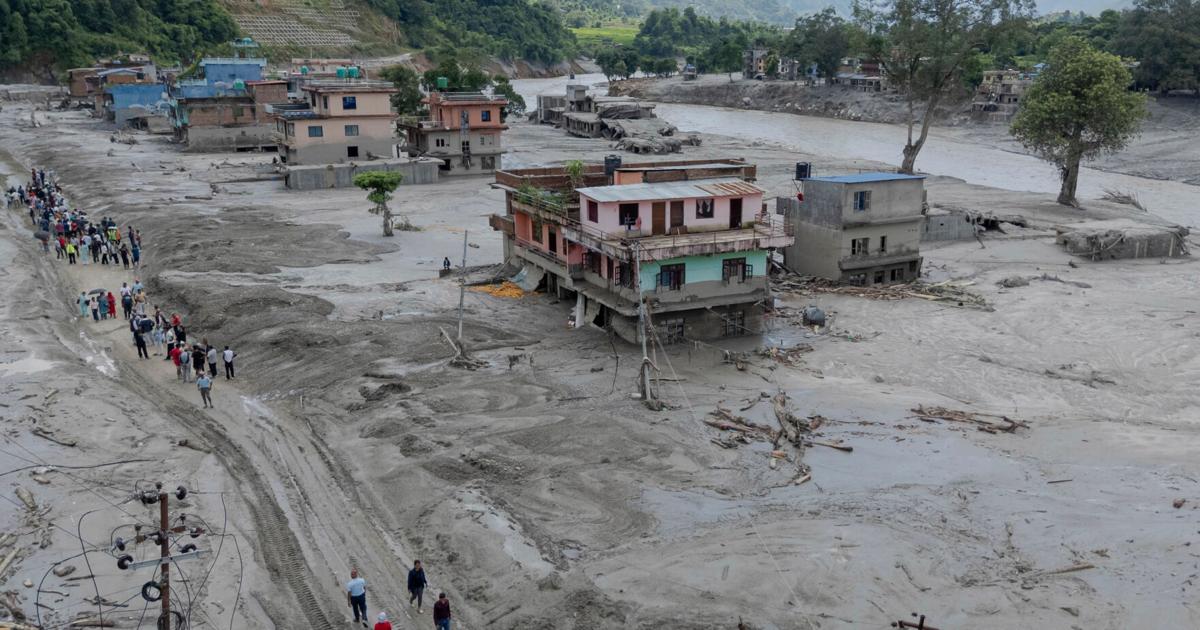
The flooding struck a mountainous stretch of the Nepal-Tibet border on Wednesday after a Himalayan glacier collapsed, releasing an enormous volume of water and debris into the valleys below.
Nearly 600 people have been confirmed dead. An estimated 2,500 remain missing as rescue crews continue searching the affected areas.
The US State Department said Friday that roughly 90 Americans are believed to be among those unaccounted for.
Where They Were
Raja and her partner, Pattabiraman Venkatesan, were traveling by tour bus through Nepal’s Rasuwa District, close to the Chinese border, when the flood arrived.
They had already passed through Timure, a Nepali village that took the first impact when the glacial meltwater and debris tore down from the high mountains. Their bus was nearby.
Neither had made this journey before. Tibet, an autonomous region of China bordering Nepal, draws pilgrims along routes that pass through exactly the terrain where the disaster unfolded.
“I Thought It Was Fire”
What they saw approaching did not immediately register as water.
Venkatesan estimated the wall at sixty or seventy feet, describing something that resembled a tsunami but was dark black rather than blue or gray. He said he watched a monstrous shape coming down the valley and, in that first instant, believed he was looking at a forest fire.
That confusion makes sense. Glacial floods carry enormous quantities of rock, soil, and shattered debris, which turns the water opaque and gives it a churning, smoking appearance that has little in common with a flooding river.
Raja reacted faster than the analysis. She grabbed Venkatesan by the collar, pulled him, and told him to run. They jumped from the bus together.
The Climb
Thousands of people were running at once. Cellphone footage from the area captured some being pulled into the churning water while others managed to reach higher ground and were eventually rescued by helicopter.
The couple sprinted for a set of steps leading uphill.
Venkatesan said houses were collapsing around them as they climbed, with the water taking down homes along its path.
Raja described hearing people screaming as the flood carried them away below. “I saw death right in front of my eyes,” she said.
A guide directed them toward a flat area at the top of a nearby mountain. The route was brutal — Raja said she does not know how they managed the climb, only that it was extremely difficult. Venkatesan described the path as narrow and slick, covered in mud, stones, and loose rock.
A Night in a Goat Shed
They reached the top and stayed there.
The couple spent that night in a goat shed alongside other survivors — a mix of local residents and tourists who had made the same climb. Helicopters lifted them out the following day.
Everyone who had been on their tour bus survived.
“The fact that we survived is nothing short of a miracle,” Venkatesan said.
Why the Himalayas Are Changing
Events of this kind have become more frequent as temperatures rise across the region.
Warming causes glaciers to retreat, and meltwater often collects behind unstable natural dams of ice and rock debris. When those barriers fail, the stored water releases all at once — a phenomenon known as a glacial lake outburst flood.
The results move with terrifying speed. Water descending steep mountain terrain gathers rock and sediment as it goes, gaining mass and destructive force. Villages positioned in valleys downstream may have minutes of warning, or none.
Communities across Nepal, Bhutan, and northern India face this exposure, often without monitoring systems capable of providing advance alerts.
The Search Continues
Rescue operations remain active, though the numbers involved make the task enormous. With 2,500 people still missing and terrain that hampers ground access, much of the effort depends on aircraft.
For families waiting on news — including those of the roughly 90 missing Americans — the wait continues with little information available.
What They Took From It
Venkatesan said the experience changed how he thinks about living.
He described it as strengthening his outlook rather than shaking it: be good, do good, think good, and leave the rest to whatever power exists above. That, he said, was all he could offer.
Raja and Venkatesan came to the Himalayas seeking something spiritual. What they found was a mountain of black water and a climb they still cannot fully explain surviving.
Author