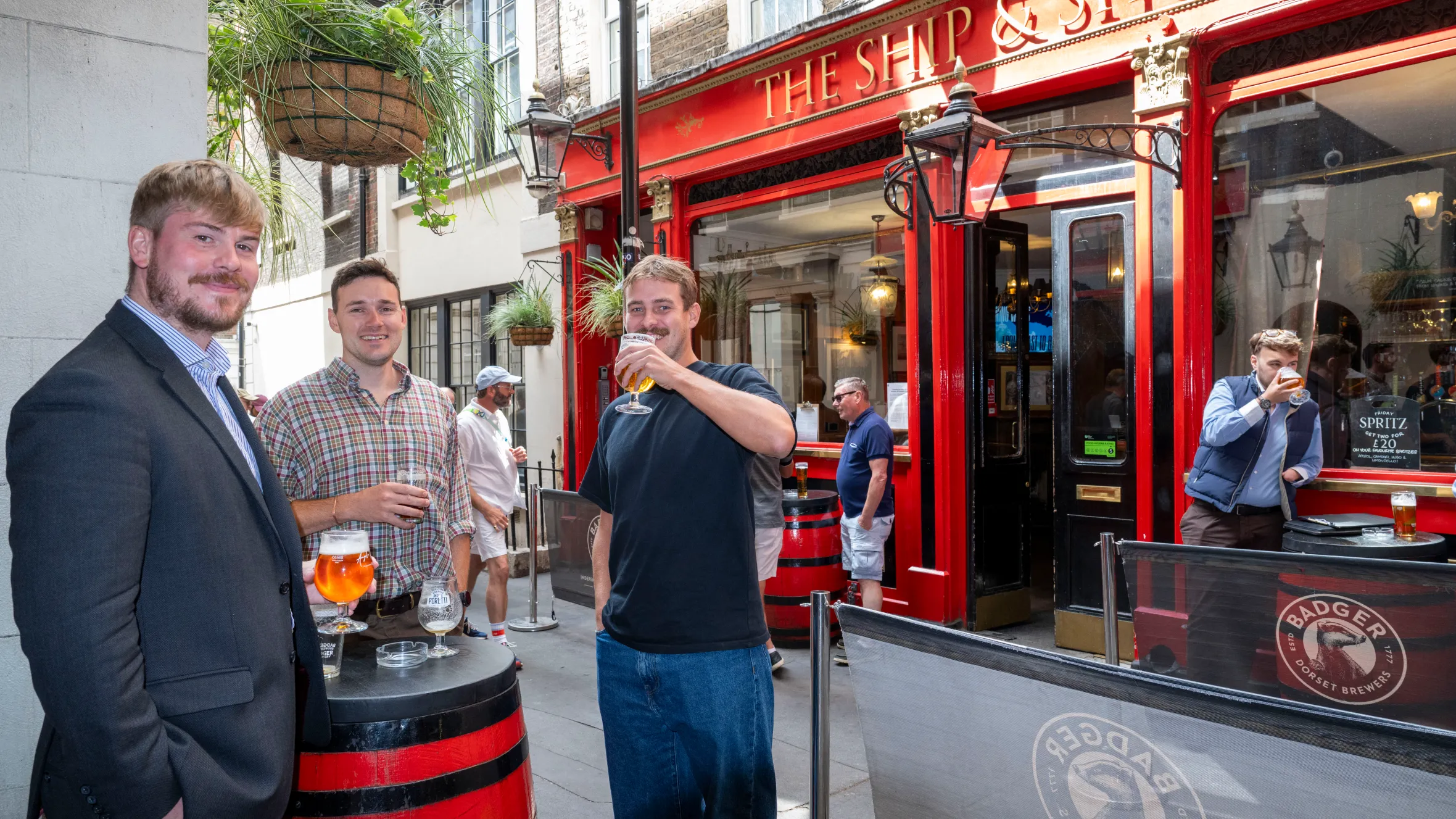
Vertical drinking Westminster policy has become the unlikely centre of a political row this week, after reporting suggested the council wanted to stop people standing up with a pint in Soho. The council says that reading is nonsense. The truth sits somewhere between the headline and the denial.
What Vertical Drinking Actually Means
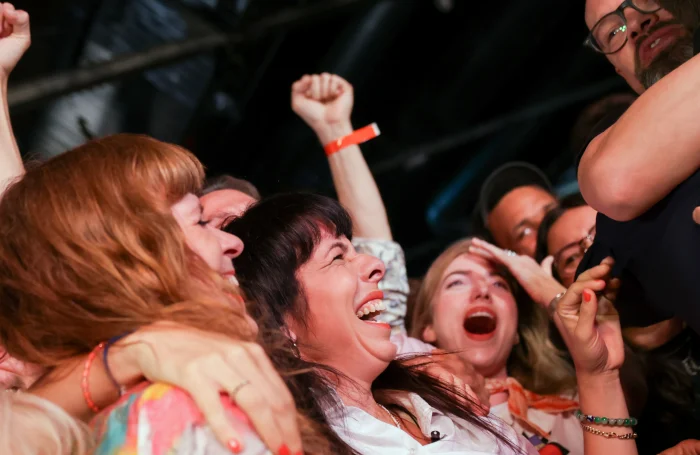
The phrase sounds more technical than it is. Vertical drinking simply means standing while you have a drink, frequently outside on the pavement.
It is the default mode of a busy pub on a warm evening, and in central London it is close to unavoidable given how small many venues are relative to their trade.
Westminster is the densest licensing environment in the country, with roughly 500 pubs, bars and wine bars alongside around 1,750 cafes and restaurants.
How the Row Started
The dispute traces to a story published on page three of Thursday’s Guardian under a headline accusing the council of trying to stop pubs being pubs with a no standing plan. The online version of that headline has since been amended.
Behind the coverage is a genuine deadline. Westminster City Council must update its licensing policy by 1 October, replacing the version drawn up in 2021.
What the Draft Document Says
The council’s draft language is the source of the argument, and it does not read as neutrally as officials have suggested.
The document states an intention to discourage excessive drunkenness and to encourage more seating in venues serving alcohol, so people can sit down, order food and receive table service, replacing open bar space that supports high volume vertical drinking.
It goes further in describing possible measures, noting that introducing steps to reduce or remove opportunities for vertical drinking could address the underlying reasons behind the policy.
The guidance for new licence applicants is more specific still. It suggests operators should aim for:
- A predominantly seated operation using fixed seating
- Waiter service in place of vertical drinking
- Restrictions on customers consuming alcohol while standing
A separate policy would refuse licences for pubs, bars, fast food outlets and music venues within the West End cumulative impact zone, an area running roughly between Oxford Street and Trafalgar Square and taking in Leicester Square and Soho.
The Council’s Rebuttal
Westminster has pushed back forcefully, describing suggestions of a ban as utterly ludicrous and publishing a myth-busting response on Friday afternoon.
Tim Barnes, the council’s deputy leader and cabinet member for growth and planning, said there is no plan and never has been to prohibit standing while drinking in a Westminster pub. He accused critics of a wilful misreading, arguing that clauses have been lifted out of context.
His framing of the intent was considerably softer than the draft text. The council wants people to enjoy the West End, he said, and the guidance is about encouraging venues to manage customers so crowds do not spill across pavements or disturb passers-by.
The gap between that explanation and the document’s wording is essentially what the row is about. Guidance for new licence applicants is not the same as a blanket ban, but it does shape what future venues are permitted to be.
The Political Pile-On
The proposal drew criticism from across the political spectrum, which is unusual for a local licensing consultation.
A government spokesperson responded that busy pubs full of people talking are not a public nuisance but a feature of British life supporting thousands of jobs, adding that Soho did not build its global reputation by calling last orders early and turning the lights off at ten.
Labour London mayor Sir Sadiq Khan was similarly blunt, saying you cannot run a world-famous nightlife district with a village-hall mindset.
A Conservative Party spokesperson took a more measured line, urging the Conservative-run council to find balance between the night-time economy and the concerns of people who live there.
What Businesses Say
The Soho Business Alliance, representing traders in the area, was direct about how it interprets the proposals. A spokesperson said the council does not want the late-night economy and is attempting to reduce venue capacities.
Their argument rests on precedent. People have stood and drunk in Soho for years, the spokesperson said, without it generating crime or serious problems.
The deeper objection was about character. They described the council as trying to change what Soho is, calling it sad that officials had gone to such lengths to sanitise the area.
The Case on the Other Side
Residents’ concerns are not imaginary, and the Soho Society has made that case consistently.
The group has argued that alcohol-related harm must factor into licensing decisions, including risks to women and vulnerable people at night.
It has also raised the cumulative question, warning about the unmanaged effect of concentrating a large number of licensed premises into a small area. Its concerns span crime, anti-social behaviour, public safety, nuisance and disruption to how the neighbourhood functions day to day.
That is the tension a licensing policy has to resolve: an area celebrated globally for its nightlife is also somewhere several thousand people live.
Where This Leaves Things
The consultation remains open and the policy is not final. Both readings of the document have some support in the text, which is arguably the council’s own problem to fix.
Nobody is currently being told to sit down in a Soho pub. Whether new venues opening in the West End will be permitted to operate as standing bars is a genuinely open question, and one the October deadline will settle.
Author
-
Lucienne Albrecht is Luxe Chronicle’s wealth and lifestyle editor, celebrated for her elegant perspective on finance, legacy, and global luxury culture. With a flair for blending sophistication with insight, she brings a distinctly feminine voice to the world of high society and wealth.