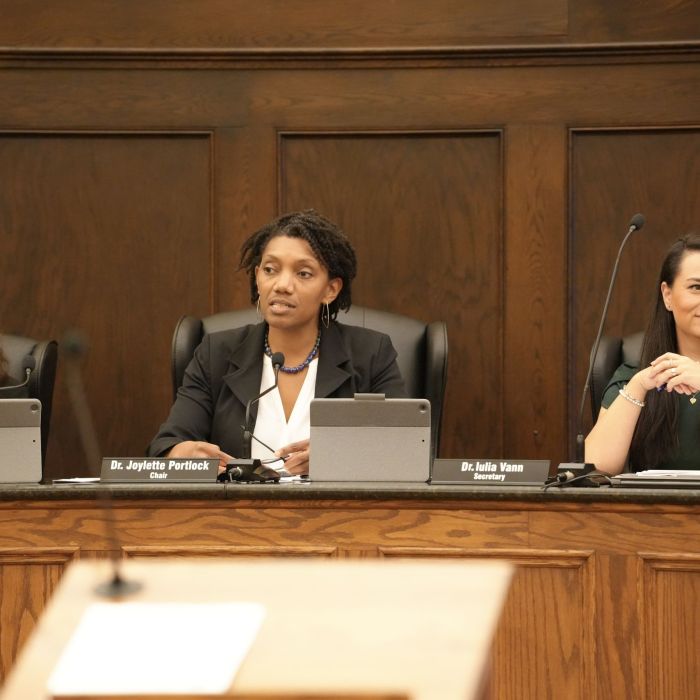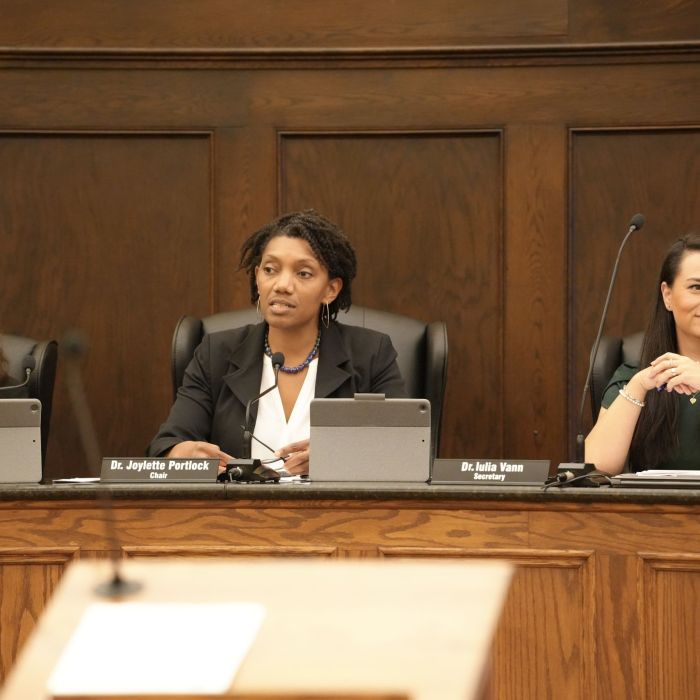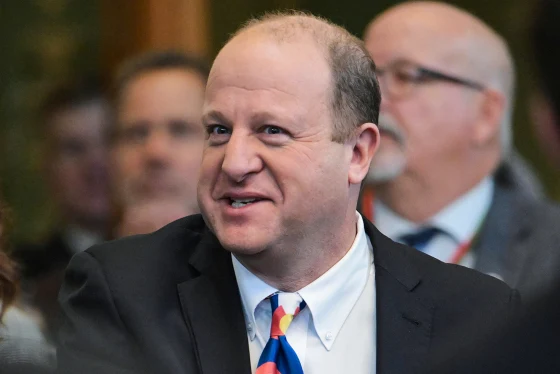
Maryland redistricting moved to the front of the national political stage on Monday, as state lawmakers convened a special session to weigh a proposal that could eventually hand Democrats another seat in the U.S. House. The measure would not redraw a single district by itself — but it would clear away the legal obstacles that stopped an earlier attempt cold.
What Lawmakers Are Actually Voting On
The General Assembly opened debate on a proposed amendment to the state constitution. The goal is straightforward: give the legislature more freedom to draw congressional boundaries that favor Democrats.
Maryland’s delegation already leans heavily one way. Democrats hold seven of the state’s eight House seats. The proposal aims to make the eighth reachable.
Crucially, this is a multi-step process. Nothing about the state’s current maps changes if the amendment passes the legislature. Voters would need to approve it first, and only then could lawmakers begin drafting new district lines.
Why the Senate President Changed His Mind
The most consequential shift in Maryland’s political calculus came from Senate President Bill Ferguson, a Democrat who spent much of the past year applying the brakes.
Earlier in the year, Ferguson blocked a separate redistricting effort that could have installed new maps before the fall elections. His reasoning was practical — he feared courts would strike the maps down, leaving Democrats worse off than before.
That calculation changed in late April, when the U.S. Supreme Court weakened the Voting Rights Act. The ruling opened the door for Republicans to rapidly redraw districts across Southern states with large minority populations that had been electing Democrats. Ferguson described watching those changes unfold as painful.
He put it more bluntly in an interview, saying it felt as though democratic norms were coming undone almost instantly.
That assessment appears to have reframed the debate for him — from a question of legal caution to one of competitive survival.
The Andy Harris Problem
Maryland’s only Republican in Congress is Rep. Andy Harris, who chairs the House Freedom Caucus. His 1st District covers the largely rural Eastern Shore, a stretch of peninsula cut off from the rest of the state by the Chesapeake Bay.
Democrats have tried to dislodge that seat before.
In 2021, mapmakers redrew the district to pull in communities from across the bay, making it substantially more winnable for a Democratic challenger. The effort didn’t survive. A judge threw out the maps in 2022, describing them as the product of extreme partisan gerrymandering.
That ruling is the reason the current proposal exists in the form it does.
Rewriting the Rules Instead of the Maps
Rather than gambling on another round of litigation, Democrats are targeting the standards the judge applied in the first place.
The 2022 decision leaned on constitutional requirements that districts be compact and that mapmakers give weight to natural boundaries — a meaningful constraint in a state divided by a large bay.
The amendment under consideration would clarify that those requirements apply only to state legislative districts, not congressional ones. In practical terms, it removes the legal foundation that sank the previous attempt.
The Path Forward
The proposal faces several hurdles before it could produce any actual map changes:
- Legislative approval: A three-fifths vote is required in both chambers.
- Ballot placement: If it clears that bar, the amendment goes before voters in the Nov. 3 general election.
- Voter approval: Maryland residents would need to endorse it.
- New maps: Only after all of that could lawmakers redraw congressional lines, targeting the 2028 cycle.
Ferguson also told reporters Monday that whether the legislature actually pursues new maps could hinge on how the November midterms shake out.
Republicans Cry Foul
Maryland’s minority Republicans have characterized the effort as an unambiguous power grab, and their objections extend to how the special session itself is being run.
House Minority Leader Jason Buckel raised concerns about restrictions placed on who could testify, arguing that the limitations suggested any bill hearing was designed to be a short and essentially hollow exercise.
Harris took aim at the substance. He argued the amendment would enable a gerrymander that splits communities sharing common interests, folding rural areas into districts dominated by urban and suburban populations — effectively diluting rural voices. He said a legal challenge would be a certainty.
The Governor Frames It as Necessity
Gov. Wes Moore, who had voiced frustration when lawmakers declined to redistrict earlier in the year, is now presenting the effort as an unavoidable response to Republican maneuvering in other states.
Moore emphasized that the amendment ultimately routes the decision to the electorate rather than to political insiders. Speaking as he assumed the chairmanship of the National Governors Association, he framed the outcome as resting with voters — if the public decides nothing should change, nothing changes; if the public decides otherwise, the state acts.
A Nationwide Arms Race
Maryland’s session is one front in a much larger conflict that started roughly a year ago, when President Donald Trump encouraged Republican-controlled states to redraw their congressional maps to protect the party’s narrow House majority heading into the midterms.
The scoreboard so far:
- Republicans believe new maps enacted across eight states — Texas, Missouri, North Carolina, Ohio, Florida, Tennessee, Louisiana and Alabama — could yield as many as 16 additional seats.
- Democrats, whose response hit repeated obstacles, estimate they could gain up to six seats through new districts in California and Utah.
Looking Past the Midterms
With this year’s maps largely settled, attention is shifting to the next cycle. Maryland and New York are both positioning for 2028.
New York’s Democratic-led Legislature has already advanced a proposed constitutional amendment that would authorize mid-decade redistricting, eliminate existing bans on partisan gerrymandering, and make it easier for lawmakers to work around the state’s independent redistricting commission. That measure requires a second round of legislative approval next year before reaching a statewide ballot.
The pattern in both states is the same: rather than fighting over individual maps, each party is now trying to change the rules that govern how maps get drawn. That is a slower process — but a far more durable one.
Author
-
Lucienne Albrecht is Luxe Chronicle’s wealth and lifestyle editor, celebrated for her elegant perspective on finance, legacy, and global luxury culture. With a flair for blending sophistication with insight, she brings a distinctly feminine voice to the world of high society and wealth.