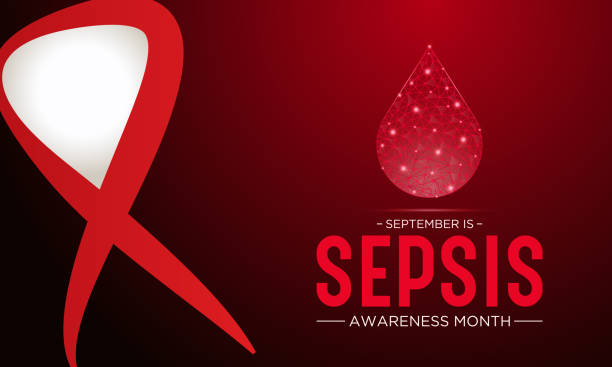
Sepsis Awareness 2026 is becoming more important than ever as medical experts continue to highlight how this life-threatening condition silently claims hundreds of thousands of lives each year. Often called an “invisible threat,” sepsis is responsible for about 350,000 deaths in the United States annually and may be involved in nearly one-fifth of deaths worldwide. Yet despite its scale, sepsis rarely appears on top “leading causes of death” lists.
Why? Because sepsis is not a disease people catch on its own. Instead, it begins as something seemingly minor — an infection that spirals out of control. Understanding sepsis, recognizing its early signs, and seeking help quickly can save lives.
What Makes Sepsis So Dangerous
Sepsis is unique among medical emergencies because it doesn’t show up as a single, clear illness. It begins as an ordinary infection, such as a urinary tract infection, pneumonia, a skin wound, or even COVID-19, but it then takes a dangerous turn when the body’s immune response goes into overdrive.
The body’s defense system suddenly attacks not only the infection but also its own organs. This dramatic overreaction can quickly cause serious damage, leading to organ failure or death if it isn’t treated in time.
According to UNC Health critical care physician Dr. Francis Castiller, sepsis often hides in plain sight. Unlike a heart attack or stroke, which present obvious symptoms, sepsis is subtle and easy to miss in its early stages. Many people don’t realize they’re seriously ill until the situation has dramatically worsened.
Who Is Most at Risk for Sepsis
Anyone can develop sepsis, but certain individuals are more vulnerable. The most at-risk groups include:
- Adults aged 65 and older
- Babies younger than one year
- People with compromised immune systems
- Patients with diabetes or vascular disease
- Individuals recovering from major surgery
- Those with chronic illnesses requiring ongoing treatment
Hospitalized patients are also at higher risk, although sepsis is not something you “catch” in the hospital. In fact, 1 in 3 patients who die in a hospital had sepsis. This statistic reveals just how widespread and deadly the condition truly is.
The Many Faces of Sepsis
One of the reasons sepsis is so dangerous is that it can develop from almost any infection. Some of the most common sources include:
- Pneumonia and other lung infections
- Urinary tract infections
- Skin wounds or cuts
- Gastrointestinal infections
- Viral illnesses like influenza or COVID-19
- Infected medical devices or wounds
Because sepsis comes in so many forms, recognizing it requires understanding how the body reacts when an infection becomes overwhelming.
Why Early Detection Is So Important
The earlier sepsis is detected, the better the outcome. Treatment becomes more difficult — and sometimes impossible — as the body sinks deeper into systemic infection. Without prompt antibiotics and supportive care, sepsis can progress to septic shock, which dramatically increases the risk of death.
Mortality rates make the importance of early treatment clear:
- Sepsis without shock: 12 to 15 percent risk of death
- Septic shock: as high as 45 percent risk of death
This is why doctors stress the urgency of recognizing potential warning signs before the condition spirals out of control.
Common Symptoms to Watch For
Sepsis doesn’t always come with obvious symptoms, but there are signals that can serve as red flags. Dr. Castiller says doctors should suspect sepsis if two of the following three conditions are present:
- Low blood pressure
- Rapid breathing
- Confusion or altered mental state
Some other potential warning signs include:
- Extreme fatigue or weakness
- Pale, mottled, or clammy skin
- Fever or chills
- Increased heart rate
- A general sense that something “isn’t right”
Because symptoms can vary widely, awareness and quick action are essential. The general rule is simple — if something seems off, get checked.
Special Warning Signs in Babies
Sepsis in infants can be harder to detect. Babies cannot describe how they feel, so parents must pay close attention to any unusual behavior. Some warning signs in infants include:
- Trouble breathing
- Difficulty feeding
- Excessive sleepiness or lethargy
- High or low temperatures
- Unusual fussiness or weakness
If parents notice anything that seems out of the ordinary, they should call a pediatrician right away. Even small changes in behavior can sometimes indicate a serious problem.
Treatment: What Happens at the Hospital
When sepsis is suspected, treatment begins quickly. Doctors typically administer:
- Antibiotics to fight the underlying infection
- IV fluids to support blood pressure and circulation
- Oxygen support to help breathing if needed
- Medications to stabilize blood pressure
- Continuous monitoring of organ function
In some cases, multiple antibiotics may be required to target unknown bacteria. The faster these treatments begin, the better the chances of full recovery.
Don’t Hesitate to Ask About Sepsis
If a loved one has an infection that isn’t improving, families should not hesitate to ask doctors whether sepsis is a possibility. Speaking up could make a major difference. Many people delay seeking emergency care because they assume their symptoms are minor or expect them to improve on their own. With sepsis, however, waiting can be fatal.
Dr. Castiller emphasizes that early recognition is one of the most powerful tools in sepsis treatment.
Life After Sepsis: A Long Road to Recovery
Sepsis doesn’t always end with the infection being cleared. Survivors often face significant physical and emotional challenges, a condition known as post-sepsis syndrome. The aftermath can include:
- Persistent fatigue
- Muscle weakness
- Difficulty concentrating
- Sleep disturbances
- Anxiety and depression
- Symptoms similar to post-traumatic stress disorder
Some patients may also experience organ damage that affects daily life. For example, someone who suffered sepsis due to a kidney infection might struggle with long-term kidney problems. However, the encouraging news is that for many survivors, organ damage is reversible with time and care.
Most patients benefit from rehabilitation and physical therapy. Those who experience emotional or psychological symptoms may also find support through counseling or therapy.
The Higher Risk of Future Sepsis Episodes
A particularly concerning aspect of sepsis is that survivors face a higher chance of experiencing sepsis again in the future. This is partly because their immune systems may be weakened or because they have other underlying conditions.
People who have already survived sepsis should:
- Stay alert for early infection symptoms
- Treat any new infections promptly
- Keep up with regular medical checkups
- Follow recovery plans recommended by doctors
- Inform new healthcare providers about their previous sepsis episode
By taking preventive measures, survivors can lower their risk of experiencing another life-threatening event.
A Growing Push for Awareness
Healthcare professionals across the world continue to call for greater public awareness about sepsis. Many believe that thousands of lives could be saved every year if more people knew what sepsis looked like and how seriously it needed to be taken.
Some of the most effective ways to spread awareness include:
- Educating communities about infection symptoms
- Training healthcare workers to identify sepsis early
- Encouraging the public to seek prompt medical care
- Sharing the stories of survivors to inspire vigilance
- Promoting timely vaccinations to reduce infection risks
Increased awareness can lead to faster diagnoses, better outcomes, and ultimately fewer deaths.
Final Thoughts
Sepsis Awareness 2026 stands as a powerful reminder that the most dangerous medical threats are not always the ones we see most often. Sepsis hides behind common infections, slowly building into something far more dangerous than people realize. Yet with timely recognition, swift medical care, and increased awareness, lives can be saved.
If you or someone you love has an infection that doesn’t seem to be improving, take it seriously. Listen to your body. Trust your instincts. And don’t hesitate to seek medical help. As Dr. Castiller reminds us, when it comes to sepsis, every minute counts.
By spreading awareness, supporting survivors, and encouraging fast action, communities everywhere can help fight this silent but deadly condition. Knowledge truly is the first step toward survival.
Author